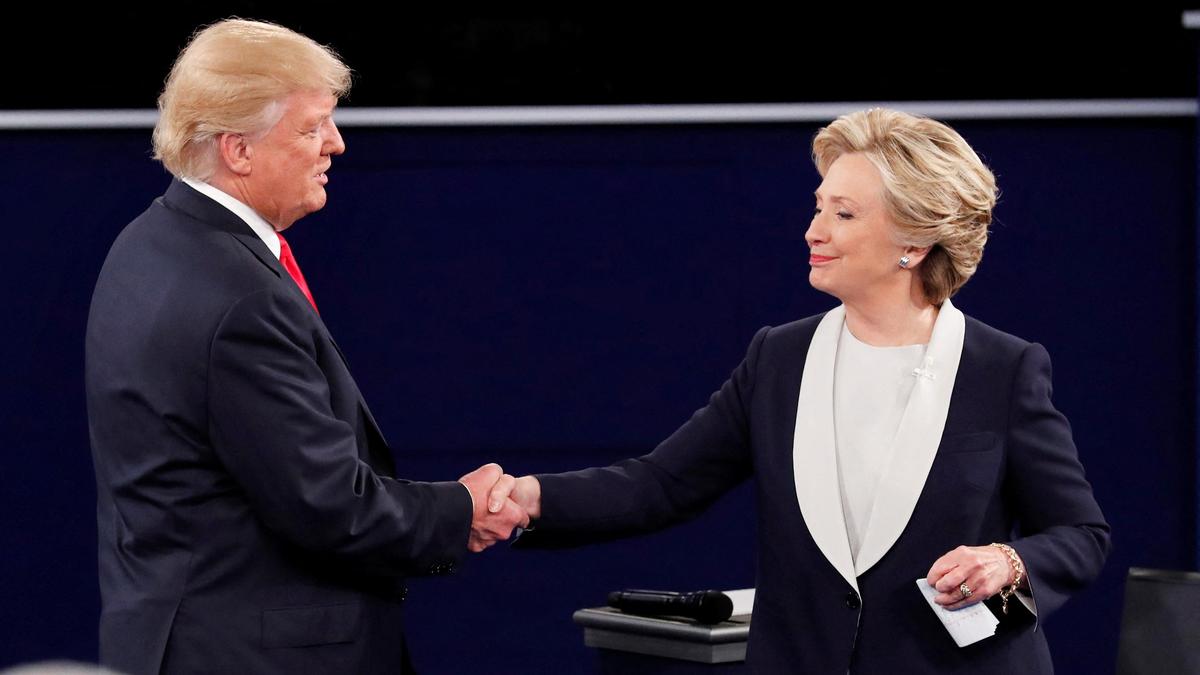
Trump has turned the 2016 election into a courtroom drama again, dragging Hillary Clinton into a Supreme Court appeal that reads like a sequel to a political thriller. The move signals that the former president still believes the presidency can be defended with a legal sword, not just a political one. In a nation already saturated with partisan lawsuits, this filing feels like a last‑ditch effort to keep Trump’s narrative alive.
According to The Hindu, Trump’s legal team filed an appeal demanding the United States Supreme Court review a suit that accuses Hillary Clinton of wrongdoing in the 2016 election. The lawyers argue that the Court’s intervention is essential “to protect the Presidency” from what they describe as an unprecedented challenge. The filing, lodged in the federal courts, now sits on the docket of the nation’s highest judicial body.
Why the Trump lawsuit matters now
The timing could not be more strategic. With the 2028 presidential race already shaping up, Trump’s supporters are looking for any foothold to question the legitimacy of past elections, thereby casting doubt on future outcomes. The appeal arrives just weeks after a series of state‑level investigations into alleged election interference, a backdrop that makes the Supreme Court’s potential involvement a high‑stakes gamble. Moreover, the case revives the old partisan divide that has haunted American politics for a decade, reminding voters that the legal arena is still a battlefield for the Trump era.
The players in this drama are familiar faces. Trump’s legal counsel, a team that previously defended his tax returns and handled the January 6 investigations, now frames the case as a constitutional safeguard. On the other side, Clinton’s lawyers, who have weathered countless defamation suits, are expected to argue that the claim is a political stunt lacking any substantive evidence. Meanwhile, the justices themselves are under pressure: a ruling could either reinforce the Court’s role as an impartial arbiter or expose it as a tool in partisan wars.
The hot take on the Supreme Court showdown
If the Supreme Court entertains the appeal, the immediate winner is Trump’s narrative machine, which will have a platform to broadcast doubts about electoral integrity to a national audience. Even a denial could be spun by his allies as a “victory for the people,” feeding the same conspiracy‑fuel that has kept his base mobilized for years. The losers, however, are the very institutions that rely on public trust: the judiciary, the electoral system, and the principle that political disputes be settled at the ballot box, not in the courtroom.
What the mainstream media often overlooks is the broader geopolitical ripple. A Supreme Court decision that appears to favor Trump’s claims could embolden authoritarian leaders worldwide, who watch U.S. legal battles for clues on how to undermine their own elections. Conversely, a firm rejection would reinforce the resilience of democratic checks, sending a signal that even the most powerful former president cannot rewrite history through the courts. In either scenario, the stakes extend far beyond a single lawsuit; they touch on the credibility of American democracy on the world stage.
Critics will argue that Trump’s suit is a desperate distraction, a way to sidestep the inevitable decline of his political fortunes. There is merit to that view: the evidence linking Clinton to any decisive electoral fraud remains thin, and courts have repeatedly rejected similar claims. Yet dismissing the appeal outright ignores a crucial reality—Trump’s legal maneuvers have already reshaped public discourse, making the mere presence of the case a catalyst for further polarization.
The Supreme Court’s docket is already crowded, and the justices have historically been reluctant to wade into overtly political disputes. As a result, the appeal may languish for months, if not years, becoming a lingering specter that keeps the election‑integrity debate alive. During that time, Trump’s allies can continue to harvest headlines, fundraising, and voter enthusiasm, all while the legal process drags on in the background. The delay itself becomes a weapon, buying time for a political figure who thrives on controversy.
In the end, the courtroom drama may be less about winning a legal battle and more about winning a war of perception. Trump has mastered the art of turning procedural moves into media events, and this suit is no exception. Whether the Supreme Court grants review or not, the narrative that the 2016 election remains contested will persist, feeding into the next electoral cycle’s anxieties.
As the nation watches, the real question is not whether the Court will hear the case, but how the debate it ignites will shape the 2028 election landscape. Will voters finally tire of the endless lawsuits and demand a return to policy‑focused campaigns, or will the legal theatrics continue to eclipse substantive debate? One thing is clear: Trump’s latest legal gambit ensures that the conversation about election legitimacy will dominate the political airwaves for months to come.
Source: The Hindu