India Relations frames the debate here: The world is watching, but are we really ready to confront the crumbling facade of diplomacy in South Asia? Despite an avalanche of criticism following former President Trump’s actions, U.S. Senator Marco Rubio insists that ties between the U.S. and India remain robust. According to The New York Times, Rubio’s statement comes amidst rising tensions and frustrations stemming from Trump’s controversial remarks about India’s Prime Minister Narendra Modi.
The State of U.S.-India Relations in South Asia
So why is this significant now? U.S.-India relations have traditionally been characterized by a complicated mixture of camaraderie and contention, especially in the context of security and trade. The collaboration was set on a promising trajectory, emphasizing mutual interests in counterterrorism and economic partnerships. However, Trump’s erratic behavior, including his dismissive comments towards Modi, adds a layer of complexity that threatens to unravel decades of careful diplomacy. This isn’t just about one politician’s blunders; it’s symptomatic of deeper ideological divides that could fracture alliances in South Asia.
The stakes are high. With India emerging as a key player in the Quad alliance and a counterbalance to China’s regional ambitions, any slip-up in U.S.-India relations could have cascading effects across South Asia. Countries like Pakistan and China are undoubtedly watching for any signs of instability in this alliance, hoping to exploit it for their geopolitical gains.
Who Wins and Who Loses in South Asia?
Rubio’s optimistic perspective on U.S.-India relations is, frankly, a little naïve. While he may see an unshakeable bond, the reality is that trust between nations is a fragile thing. If Trump’s erratic actions continue to draw ire from India, the U.S. could find itself isolated in South Asia. There’s a palpable frustration among Indian leaders, who are increasingly wary of relying on a U.S. that seems unpredictable at best and antagonistic at worst.
Moreover, the mainstream narrative often glosses over the discontent brewing beneath the surface. India’s diplomatic relations with Washington could be compromised if Modi recalibrates his approach, potentially looking eastward towards Russia or considering deeper ties with China. In an era where international alliances are recalibrating at breakneck speed, the U.S. might just find itself on the losing end of the stick if it doesn’t navigate these waters carefully.
The larger question looms: what happens when a nation once viewed as an ally begins to see the U.S. as a liability instead? This isn’t just a matter of politics but rather a strategic rethinking of alliances in the volatile climate of South Asia.
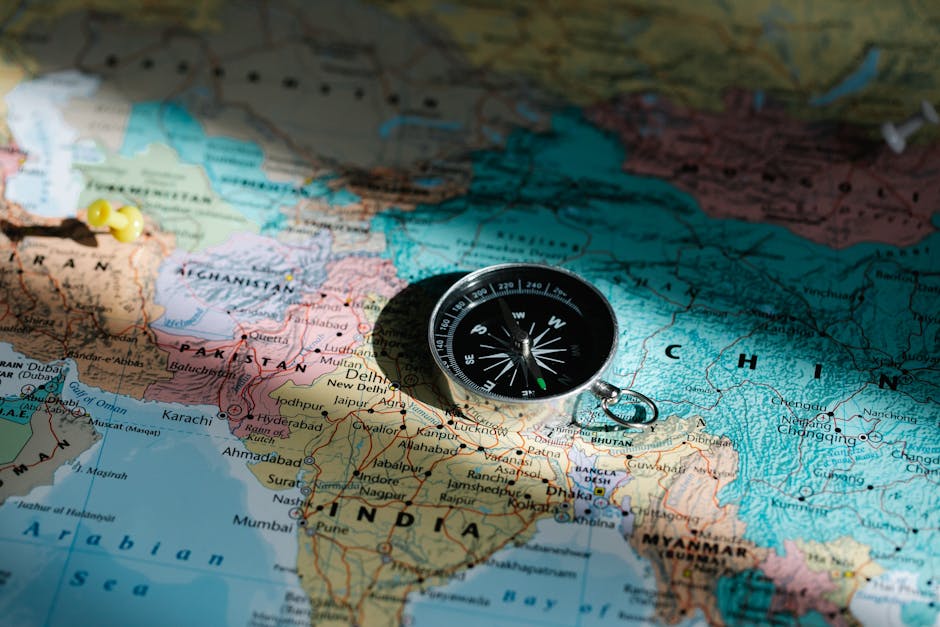
In conclusion, while Rubio’s faith in U.S.-India relations is commendable, it’s perhaps overly optimistic in the face of mounting challenges. As we look ahead to the week, leaders must remember that the diplomatic chess game is not played in vacuums; it requires nuance and an understanding of global dynamics. Will the U.S. manage to smooth over the frayed edges of its relationship with India, or will it become yet another cautionary tale in the annals of diplomacy? The answer may redefine power balances in South Asia for years to come.
Source: Google — South Asia