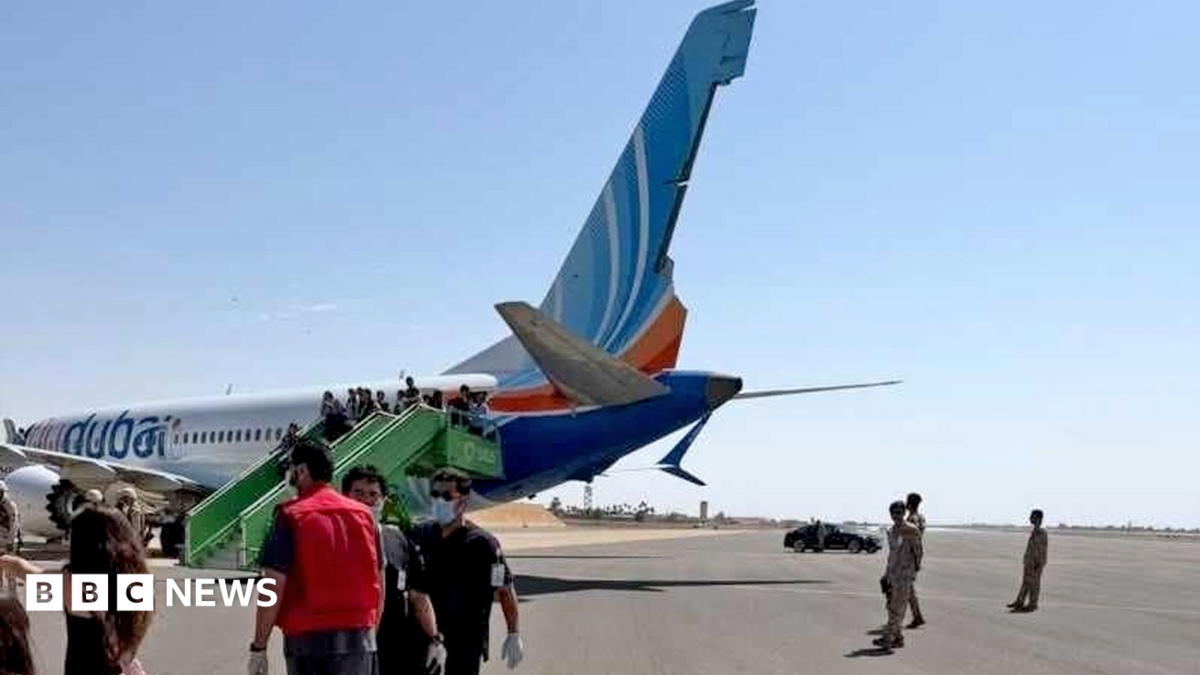
Flydubai’s latest scandal reads like a script for a low‑budget thriller, but the reality is far more unsettling. The airline that once marketed cheap Middle‑East hops now finds its name tangled in a web of alleged radicalisation, a near‑miss terror plot, and diplomatic fireworks that could shape Monday’s political headlines across the Gulf and beyond.
According to the BBC, the United Arab Emirates’ attorney‑general has accused the co‑pilot of a Flydubai flight of deliberately steering the aircraft toward a crash‑landing in Tel Aviv. The same official says the man’s “drift towards extremism and terrorism” began while he was living in Australia, where he allegedly attended radical gatherings before returning to the Emirates. The co‑pilot’s alleged motive, as outlined in the prosecutor’s statement, was to use the plane as a weapon against Israel, echoing the tactics of recent attacks in Europe and the Middle East.

Why the Flydubui incident matters now
The timing could not be more consequential. Monday’s parliamentary sessions in the United Arab Emirates will feature a heated debate on aviation security reforms, spurred by the Flydubai case and a string of regional cyber‑threat disclosures. Lawmakers are already circling the issue of foreign‑trained pilots, with opposition parties demanding stricter background checks for crew members who have spent significant time abroad. The controversy also arrives as the United States prepares to unveil new sanctions targeting individuals suspected of facilitating extremist travel networks, a move that could ripple through the airline’s leasing contracts and insurance premiums.
Australia, the alleged breeding ground for the co‑pilot’s radicalisation, faces its own reckoning. The Australian government, under pressure from both the UAE and its own security agencies, is expected to announce a joint task force on overseas extremist recruitment. The Flydubai episode provides a stark reminder that the threat is not confined to any single nation; it is a transnational problem that feeds on gaps in intelligence sharing. For the airline industry, the incident raises questions about the adequacy of existing vetting protocols, especially for carriers that operate across jurisdictions with differing security standards.
Meanwhile, the markets are already reacting. Gulf stock indices slipped modestly on Tuesday as investors priced in potential litigation costs for Flydubai and a possible downgrade of the airline’s credit rating. Analysts at a Dubai‑based brokerage warned that if the attorney‑general’s claims hold up, insurers could hike premiums for carriers that employ crew with foreign residencies. In the tech sector, cybersecurity firms that specialise in aviation threat detection are seeing a surge in inquiries, positioning themselves to capitalize on the heightened demand for “flight‑deck monitoring” solutions.
The hot take: security, politics, and market ripples
The Flydubai saga is a textbook case of how a single security breach can cascade into political, economic, and diplomatic crises. On the surface, the UAE’s swift legal action appears decisive, but it also serves a dual purpose: signalling to domestic audiences that the government is uncompromising on terrorism, while simultaneously sending a warning to foreign partners that lax vetting will not be tolerated. This stance could bolster the ruling party’s narrative ahead of upcoming elections in the Emirates, where security credentials are a potent campaign weapon.

However, the move carries risks. By casting the co‑pilot as an Australian‑trained extremist, the UAE risks alienating a key ally in the Indo‑Pacific. Australian officials may feel compelled to defend their own security record, potentially igniting a diplomatic spat that could spill over into trade negotiations—particularly in the aerospace sector, where both nations have vested interests. Moreover, the focus on the individual pilot could distract from systemic issues within Flydubai’s corporate governance. Critics argue that the airline’s rapid expansion over the past decade has outpaced its internal controls, leaving gaps that extremist recruiters can exploit.
From a market perspective, the fallout could be both short‑term pain and long‑term opportunity. Airlines that can demonstrate airtight crew‑screening processes may capture market share from Flydubai’s shaken reputation. Conversely, investors who view the incident as an isolated event may see the airline’s stock rebound once the legal saga settles. Yet the broader lesson for the industry is clear: security cannot be an afterthought. As airlines integrate more autonomous systems and AI‑driven flight management tools, the human element remains a vulnerable vector that regulators cannot ignore.
The mainstream narrative, dominated by headlines about “terror on a plane,” overlooks the deeper geopolitical chessboard at play. It fails to question how intelligence agencies across continents coordinate—if at all—when a pilot’s radicalisation timeline spans three countries. It also glosses over the economic calculus that airlines perform when balancing cost‑cutting measures against comprehensive background checks. In reality, the Flydubai incident is a symptom of a fragmented security ecosystem, one that thrives on jurisdictional loopholes and corporate expediency.
As Monday’s parliamentary debates kick off, the Flydubai case will likely be invoked as a cautionary tale. Whether it becomes a catalyst for robust, region‑wide reforms or merely a footnote in a series of security blips depends on how political leaders choose to frame the story. Will they seize the moment to overhaul aviation vetting standards, or will they let the episode fade as another scandal in a long list of security lapses?
The answer may determine not only the future of Flydubai but also the shape of Middle‑East aviation policy for years to come. If the UAE can turn this crisis into a decisive push for tighter controls, the airline might emerge stronger, its brand rebuilt on a foundation of resilience. If not, the episode could become a lingering scar, reminding investors and passengers alike that even a low‑cost carrier can become a vector for high‑stakes geopolitics. The stakes are high, and the clock is already ticking.
Source: BBC Middle East