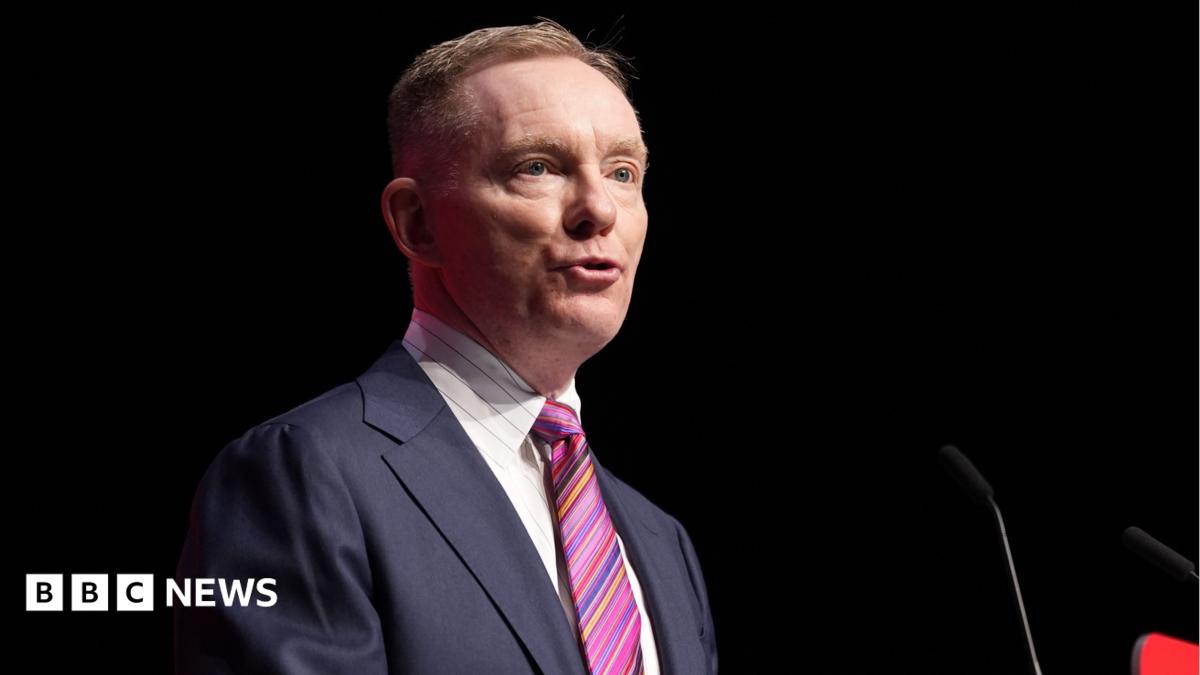
The Drumcree parade ban may look like a routine policing decision, but it is a litmus test for how far the British establishment will go to preserve a peace that is anything but settled.
According to the BBC, the Parades Commission voted to stop the annual Drumcree march after the chief constable warned that proceeding could spark serious injury, disorder and even wider unrest across Northern Ireland. The ruling came just days before the traditional October date, when loyalist and nationalist tensions historically flare.
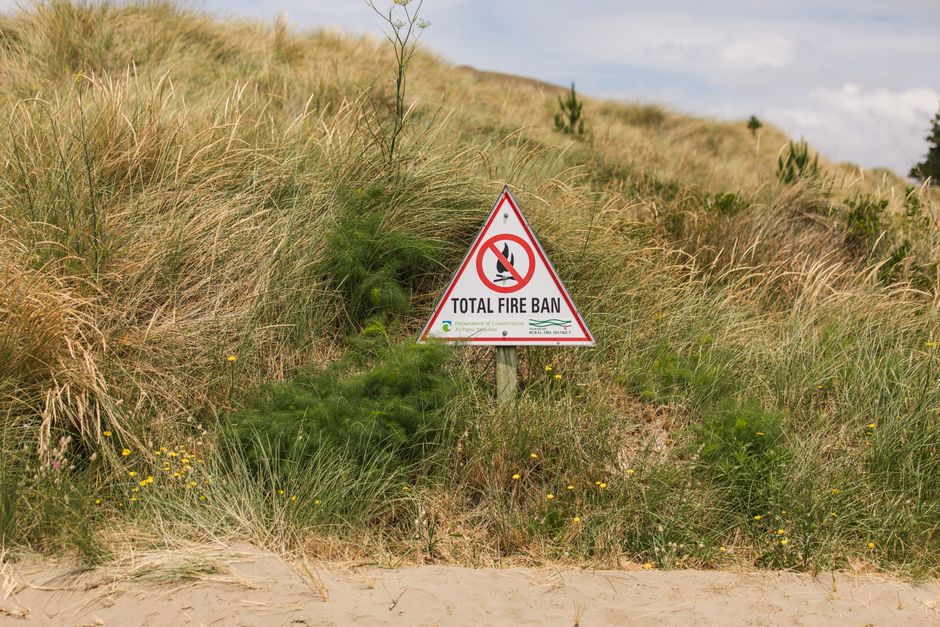
Drumcree Ban and the Fragile Northern Irish Peace
The Drumcree controversy is not new; every year the town of Portadown becomes a pressure cooker of sectarian posturing. This year, however, the decision was driven by a stark security assessment rather than political whim. The chief constable’s warning, cited by the BBC, highlighted the realistic threat of clashes that could spill beyond the streets into the broader community. In a region still haunted by the Troubles, any spark can reignite old grievances and threaten the delicate power‑sharing arrangements that keep the Stormont executive functioning.
Why does this matter now? First, the ban arrives at a moment when the UK government is scrambling to prove its competence on the Northern Irish front ahead of a crucial Monday session in Westminster. The Labour opposition will demand a full inquiry, while the Conservatives will try to spin the move as a responsible act of leadership. Second, the decision underscores the growing reliance on data‑driven policing tools—drones, facial‑recognition cameras, and predictive analytics—that have been quietly rolled out across the UK. The Drumcree ban therefore serves as a public showcase of how technology is being weaponised to pre‑empt violence, a narrative that will dominate Monday’s tech‑policy debates.
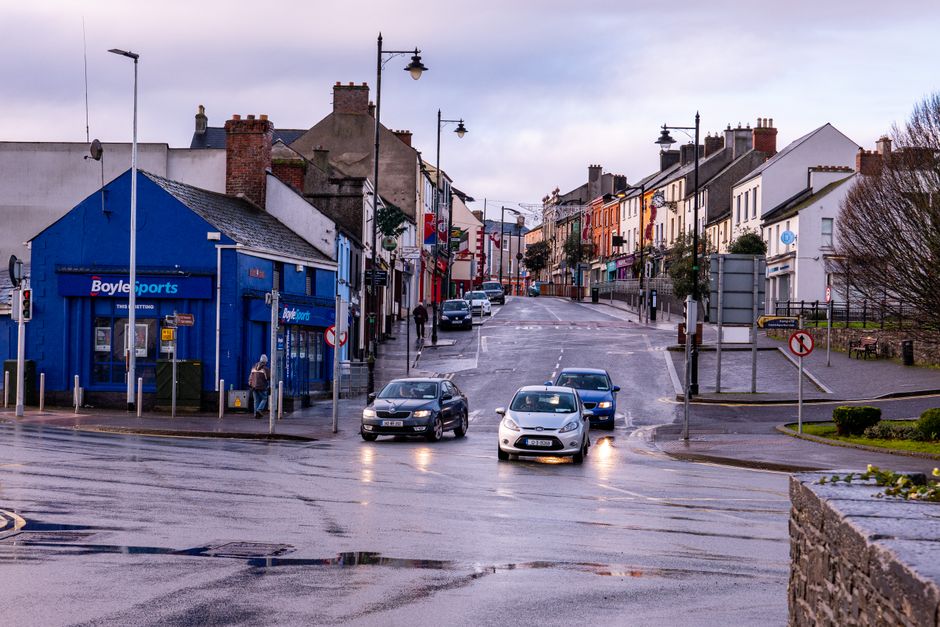
What Monday’s Political Calendar Means for the Drumcrest Fallout
On Monday, the House of Commons will convene a special debate on Northern Ireland security, and the Drumcree ban will be the headline. Ministers from the Northern Ireland Office will be pressed to explain whether the ban was a one‑off safety measure or a template for future interventions. If they argue the latter, they risk alienating Unionist parties who view any restriction on parades as an attack on cultural rights. Conversely, Nationalist representatives may seize the moment to demand broader reforms to the Parades Commission, positioning themselves as champions of peace.
The stakes spill into the markets as well. Investors keep a wary eye on any sign of instability in the UK’s periphery, especially after recent volatility in the GBP tied to Brexit‑related uncertainty. A resurgence of sectarian violence could pressure insurance premiums in the region and raise the cost of security contracts for private firms. Tech companies that supply surveillance hardware stand to profit from the heightened demand, but they also risk backlash from civil‑liberties groups that will likely use the Drumcrest episode to argue for tighter regulation of surveillance tech.
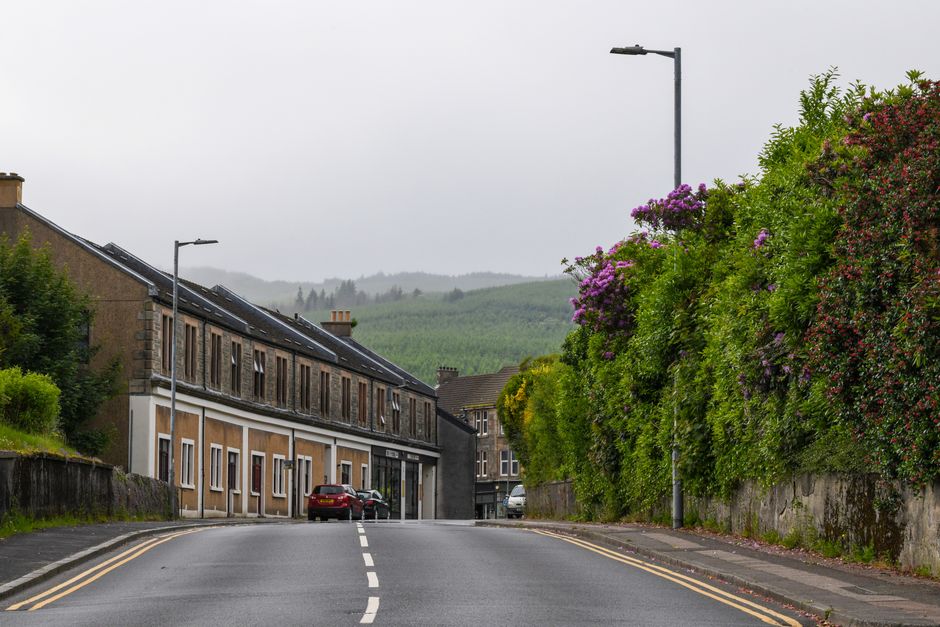
Opponents of the ban argue that it silences a legitimate expression of identity and sets a dangerous precedent for state overreach. They point out that previous Drumcrest marches have passed without major incident when local authorities exercised restraint rather than outright prohibition. Yet the chief constable’s warning was not a hypothetical; it referenced specific intelligence about planned provocations that could have escalated into lethal confrontations. In fact, the BBC report notes that the decision was taken precisely to avoid “serious injury, disorder and wider unrest,” a scenario that would have forced the government into a far more costly emergency response.
If the government can frame the Drumcrest ban as a prudent, technology‑enabled preventive measure, it may gain political mileage on Monday, especially among voters fatigued by endless sectarian headlines. However, the backlash could also fuel a resurgence of hard‑line Unionist rhetoric, pressuring the Prime Minister to adopt a tougher stance that might jeopardise the delicate balance at Stormont. The media narrative will likely swing between praising the ban as a courageous act of peace‑keeping and condemning it as an over‑reach that undermines democratic freedoms.
In the broader context of the week ahead, the Drumcrest story intersects with two other high‑profile items on Monday’s agenda: a debate on AI‑driven policing tools and a Treasury briefing on the impact of regional unrest on the UK’s fiscal outlook. The confluence of security, technology, and economics makes the Drumcrest ban a microcosm of the challenges facing Britain as it navigates post‑Brexit realities while trying to keep a fragile peace intact.
The lesson is clear: when a small town’s parade can dictate the tone of Westminster’s Monday agenda, the stakes are higher than any local grievance. The Drumcrest decision may be a single line in a security report, but it will echo through political speeches, market analyses, and the next round of tech‑policy legislation. If the government mishandles the fallout, we could see a resurgence of the very unrest the ban was meant to prevent—proving that peace, once bought with heavy‑handed bans, is always a bargain that demands careful accounting.
So, as Monday’s debates begin, the question remains: will the Drumcrest ban be remembered as a bold step that kept the peace, or as a slippery slope that opened the door to deeper divisions? The answer will shape not only Northern Ireland’s future but also the tone of UK politics for months to come.
Source: BBC UK