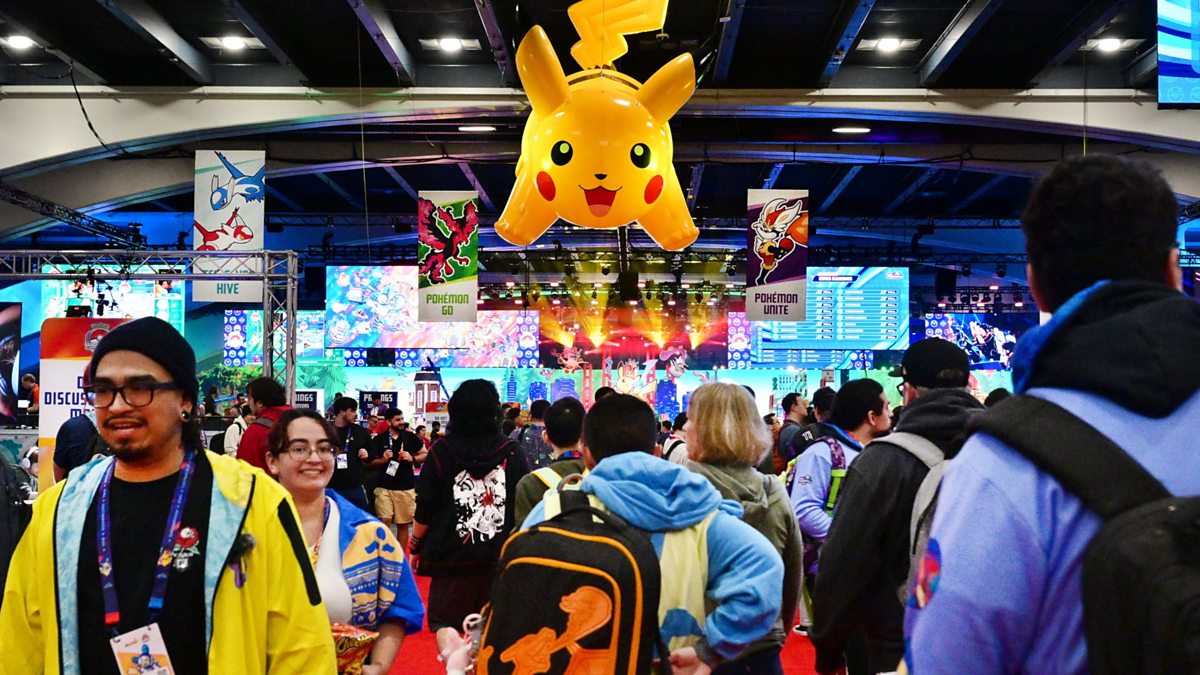
Tech Now isn’t just a newsletter headline; it’s the pulse of a culture where code and competition collide, and today that pulse is beating in San Francisco as Alasdair Keane prepares for the Pokémon World Championships.
According to BBC Technology, the British challenger Alasdair Keane will travel to the Bay Area this weekend to represent his nation at the global showdown, a tournament that gathers the world’s elite trainers for a weekend of high‑stakes battles.

Tech Now: AI, Competition and the New Gaming Frontier
The event marks more than a nostalgic nod to pixel‑perfect battles; it is a live laboratory for the latest advances in artificial intelligence and data analytics. In recent years, AI‑driven simulators have been teaching bots to predict opponent moves with uncanny accuracy, turning what was once a hobby into a field of research. As the tournament unfolds, every decision on the virtual battlefield will be logged, parsed, and fed into machine‑learning models that promise to reshape how we understand strategy games.
San Francisco, the cradle of Silicon Valley, provides the perfect backdrop for this convergence. The city’s tech ecosystem is already buzzing with startups that specialize in real‑time analytics for esports, and the Pokémon championships are an ideal showcase. Players like Keane are now equipped with wearable tech that monitors heart rate and reaction time, data that can be cross‑referenced with in‑game performance to fine‑tune training regimens. This marriage of biology and byte‑code illustrates how the boundaries between traditional gaming and professional sport are dissolving.

The broader context is equally compelling. While the Pokémon franchise enjoys a resurgence among millennials, it also serves as a gateway for younger audiences to explore coding, algorithmic thinking, and even ethical AI debates. The tournament’s sponsors include cloud‑computing giants eager to demonstrate the scalability of their platforms under the pressure of millions of simultaneous simulations. In effect, the championship becomes a massive, public stress test for the very infrastructure that underpins modern AI services.
Hot Take: Who Wins When Gaming Becomes a Tech Spectacle
The obvious winner is the tech industry, which now has a captive audience eager for the next breakthrough. Companies that can translate tournament data into actionable insights will secure lucrative contracts with both game developers and professional teams. Meanwhile, traditional esports organizations risk being outpaced if they cling to old‑school scouting methods instead of embracing data‑driven talent identification.
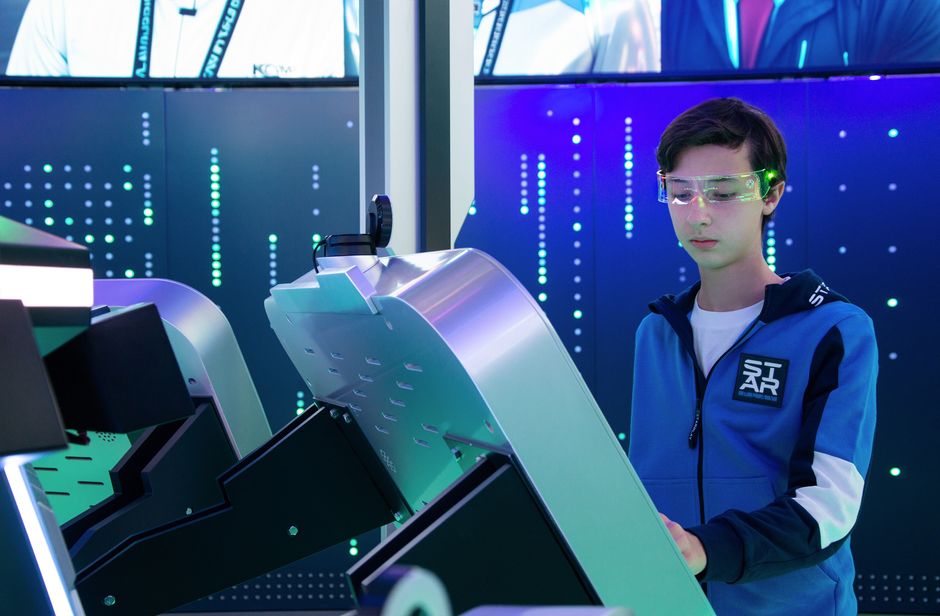
Alasdair Keane, however, occupies a precarious middle ground. As a human competitor, his success hinges on skill, intuition, and the ability to outthink algorithmic opponents. Yet his performance will be dissected by AI models that may soon predict his moves before he even makes them. If he triumphs, he becomes a living testament to the resilience of human ingenuity in an increasingly automated arena. If he falters, the narrative could shift to a cautionary tale about the limits of human cognition when pitted against relentless data.
The mainstream coverage often glosses over these stakes, treating the championship as a light‑hearted fan event. What’s missed is the strategic arms race unfolding behind the scenes: governments are watching, too, because the same AI that predicts a Pokémon move can be repurposed for security simulations or autonomous weaponry. The technology that fuels a child’s dream of becoming a Pokémon master could, in a different context, power decision‑making algorithms in defense ministries. Ignoring this overlap is a diplomatic blind spot that could have real‑world consequences.
Critics might argue that injecting AI into a game dilutes its spirit, turning a beloved pastime into a cold laboratory. That view holds weight; the charm of spontaneous, imperfect play is part of Pokémon’s appeal. However, the reality is that technology is already reshaping the experience, from predictive matchmaking to real‑time translation of in‑game text. The question isn’t whether AI will enter the arena, but how we manage its influence to preserve the human element that makes the competition compelling.
In the end, the tournament serves as a microcosm of a larger societal shift: the integration of AI into everyday contests, whether they be games, sports, or geopolitics. As spectators, we are witnessing the first chapter of a story that will determine whether technology amplifies human potential or eclipses it.
If Tech Now continues to track this evolution, the next headline may not be about a champion’s victory but about the algorithm that finally outsmarted the masters of the virtual world.
Source: BBC Technology