
Xbox is about to change the rules of the game, and the first player to feel the tremor will be anyone who thought streaming was a luxury for the West. In a surprise all‑hands, Xbox CEO Asha Sharma hinted that the company is preparing a move “no other platform holder is doing” with Grand Theft Auto VI, the most coveted title of the generation. The tease wasn’t about a new console or a subscription tweak; it was about Xbox securing the streaming rights for GTA VI, a deal that could rewrite how the Middle East experiences blockbuster games.
According to The Verge, Sharma’s cryptic comment was confirmed by sources close to Microsoft who say the tech giant has struck an agreement that will let Xbox stream GTA VI directly to any device with an internet connection. The arrangement bypasses the need for a physical disc, a high‑end console, or even a fast broadband line – a simple “press‑play‑anywhere” promise that has never been offered for a title of this scale.

Why Xbox’s GTA VI streaming deal matters in the Middle East
The Middle East has long been a paradox for gamers: a region with massive disposable income and a youthful, tech‑savvy population, yet hamstrung by patchy broadband, restrictive data caps, and a scarcity of high‑performance hardware. Xbox’s move could finally align the region’s appetite with its capability. By leveraging Microsoft’s expansive Azure cloud network, which already hosts data centers in Dubai, Riyadh and Doha, Xbox can deliver the massive open world of GTA VI without the latency that has plagued earlier cloud‑gaming attempts.
In fact, the timing could not be more strategic. Saudi Arabia’s Vision 2030 plan is pouring billions into digital infrastructure, while the United Arab Emirates is positioning itself as a hub for e‑sports and virtual events. A streaming‑first model would allow gamers in Riyadh, Jeddah or Kuwait City to dive into Los Santos without waiting for a console shipment or worrying about import taxes that can double the price of a flagship machine. Moreover, the model sidesteps the region’s complex licensing regimes, where physical media often faces bureaucratic delays.

The deal also plays into a broader shift in the Middle East’s entertainment consumption. Streaming video services have already reshaped how audiences watch movies and series; now, gaming could follow the same trajectory. Xbox’s cloud strategy could dovetail with existing telecom bundles, giving carriers a new revenue stream and offering gamers a seamless experience that feels native rather than an afterthought. As a result, the partnership may accelerate the region’s transition from a console‑centric market to a cloud‑first gaming ecosystem.
The high‑stakes fallout for gamers and rivals
If Xbox can pull off a flawless launch of GTA VI via the cloud, the company stands to win a war on three fronts: market share, brand prestige, and data‑center utilization. The immediate winner would be the gamer who can fire up the game on a modest laptop or even a smartphone, bypassing the $600‑plus console price tag that still scares many households. For Xbox, the move validates its long‑term bet on the “play‑anywhere” philosophy, turning a previously niche service into a must‑have gateway for the biggest releases.
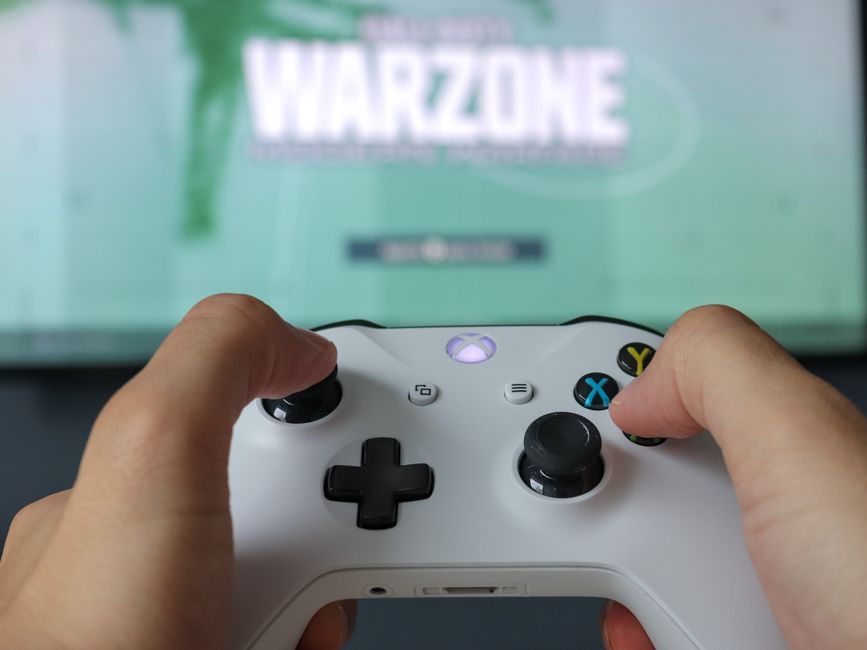
On the flip side, Sony, Nintendo and emerging cloud players like Google Stadia will feel the heat. Sony’s PlayStation 5 still dominates console sales in the region, but its own streaming ambitions have stumbled over limited library and regional server gaps. Nintendo’s handheld focus offers little competition for a massive, open‑world title. Meanwhile, rivals may scramble to secure exclusive streaming rights for other blockbuster franchises, igniting a bidding frenzy that could drive up licensing costs for developers worldwide.
However, the plan is not without risks. The Middle East’s internet infrastructure, while improving, still lags behind Europe and North America in average speed and reliability. A hiccup during launch – a lag spike, a server outage, or a sudden surge in data costs – could turn early adopters into skeptics. Moreover, the region’s regulatory environment can be unpredictable; sudden changes in content censorship could force Xbox to alter or even pull the game from certain markets, undermining the promise of universal access.
Critics may also argue that streaming erodes the sense of ownership that many gamers cherish. A subscription‑only model could alienate collectors and long‑time fans who prefer physical media. Yet, the reality is that the cost of high‑end hardware and the scarcity of physical copies in the Gulf are already nudging many toward digital alternatives. Xbox’s gamble, therefore, is less about abandoning tradition and more about meeting gamers where they are – on a Wi‑Fi router, not a living‑room shelf.
In the broader economic picture, the deal could stimulate local tech ecosystems. Cloud‑gaming requires robust networking, cybersecurity, and content‑delivery expertise – fields where the Middle East is eager to grow talent. Universities and bootcamps may see a surge in enrollment for cloud‑engineer programs, while startups could find niches in optimizing latency or creating localized gaming lounges that blend physical social spaces with cloud access. The ripple effects could extend far beyond the console aisle, feeding into the region’s ambition to become a digital powerhouse.
Still, we must acknowledge that Xbox is not the first to promise a streaming‑first launch for a AAA title; the difference lies in execution and scale. If Microsoft can deliver a smooth, high‑fidelity experience that lives up to GTA VI’s reputation, the narrative will shift from “nice idea” to “industry standard.” If it falters, the episode will be a cautionary tale about overpromising in a market still catching up on bandwidth.
The bottom line is clear: Xbox is betting that the Middle East’s hunger for cutting‑edge entertainment outweighs the current technical constraints. It is a daring move that could either cement Xbox’s leadership in a rapidly evolving market or expose the fragility of cloud‑gaming ambitions. As gamers in Dubai, Riyadh and Karachi ready their devices, the world watches to see whether the promise of instant, console‑free access becomes a reality or remains a glossy press release.
Only time will tell if Xbox’s gamble pays off, but one thing is certain – the next few weeks will decide whether the Middle East becomes the launchpad for a new era of gaming or a cautionary footnote in the cloud‑gaming saga.
Source: The Verge