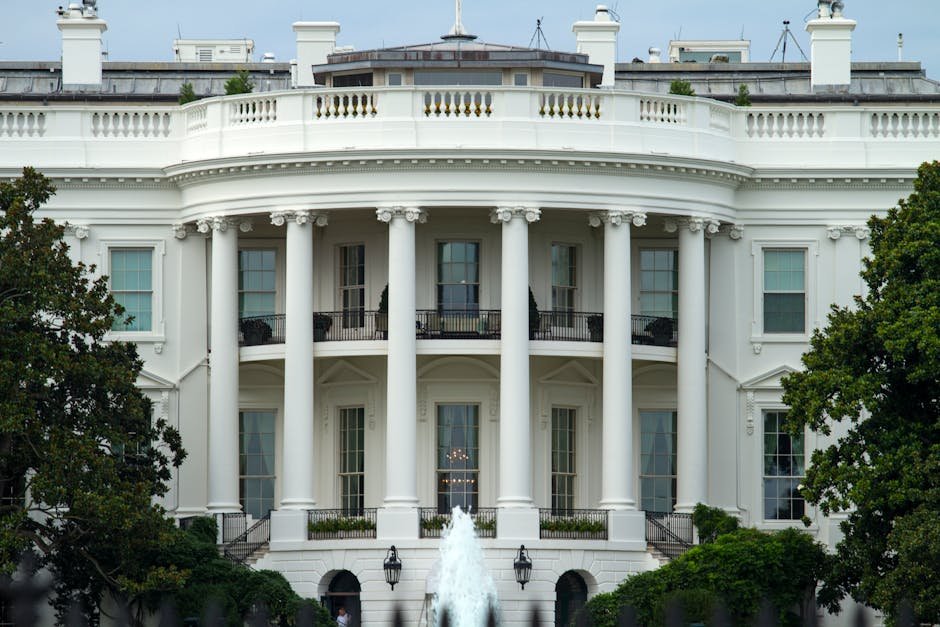
Artificial intelligence Chaos frames the debate here: In a stunning display of chaos, the White House’s latest maneuver around artificial intelligence reveals a deeper fracture within the corridors of power. The mishandling of policy directives highlights just how divided the United States is on navigating this rapidly evolving technology.
According to The Hill, former President Trump abruptly shifted his approach to AI regulation, leaving many in his administration bewildered and disoriented. The move comes at a time when the need for coherent AI governance has never been more urgent.
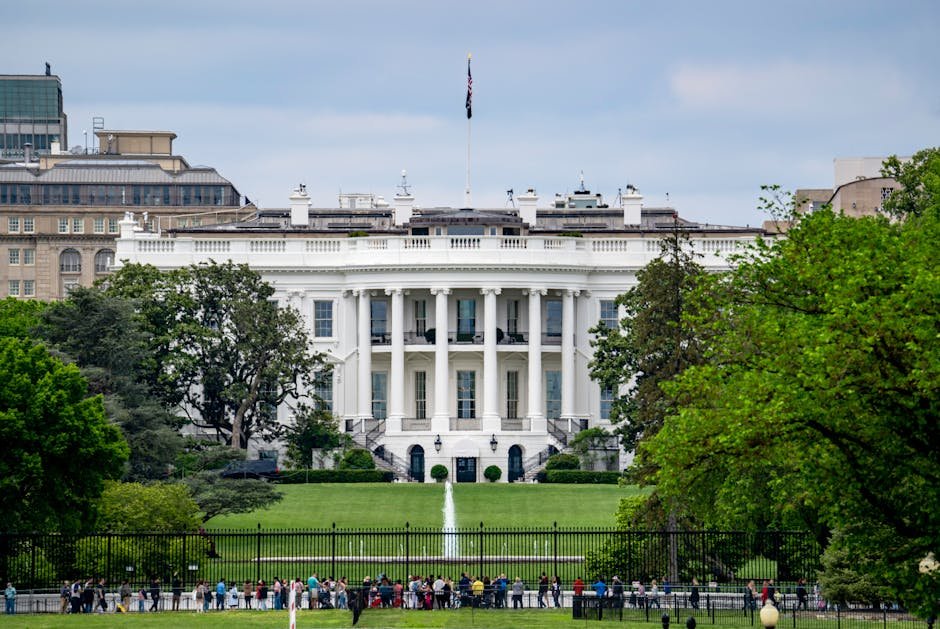
The Stakes of AI Regulation in the United States
The stakes couldn’t be higher. As the United States grapples with the implications of artificial intelligence on national security, jobs, and ethics, leadership needs a unified front. The Trump administration’s last-minute order switch exposes this rift, showing that even within the White House, there are stark differences in how to approach the future of AI. This isn’t just a political blunder; it’s a matter of national interest in defining how the United States will compete globally in an AI-driven world.
Moreover, the U.S. is playing catch-up to countries that are already implementing robust AI policies. China’s aggressive AI development strategy poses a direct challenge, leaving America in a precarious position. The chaos in the White House signals to our global rivals that the United States lacks the clarity and resolve necessary for strong leadership in this critical arena.
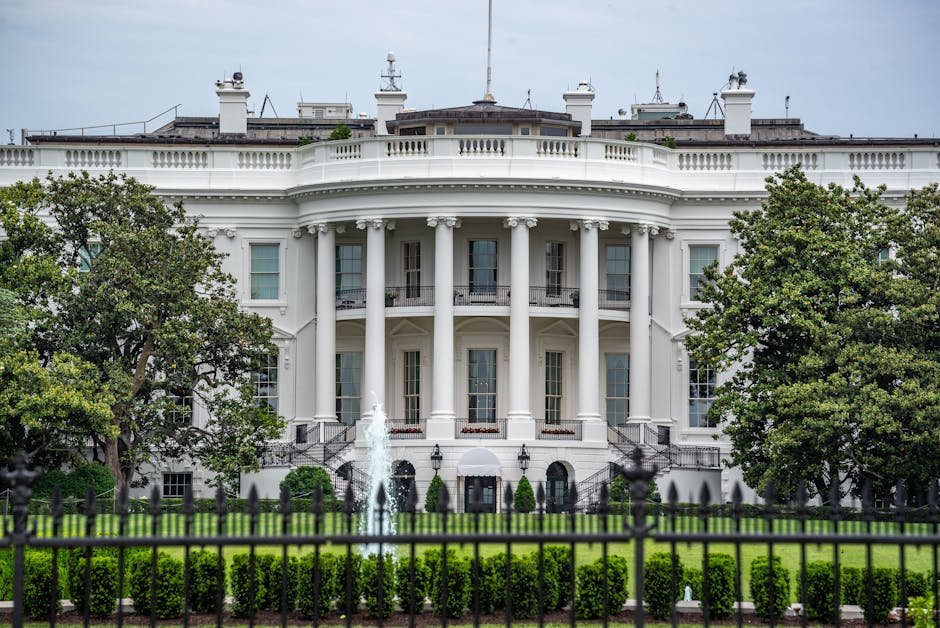
The Implications of Divided Leadership
This leadership divide has consequences that extend beyond mere optics. Inconsistent messaging on AI can hinder innovation, as companies become hesitant to invest in research and development when they can’t trust the regulatory framework. The tech industry thrives on certainty, and without a clear vision from the United States, we risk stifling our own technological advancements.
Furthermore, the rift raises questions about who truly holds the reins in shaping AI policy. Are we witnessing a power struggle between hawkish advisors who prioritize national security and those who advocate for a more laissez-faire approach? As the debate rages on, the American public is left to wonder who is looking out for their best interests.
Meanwhile, the mainstream narrative often overlooks the potential fallout of this disarray. In the rush to regulate AI, there’s a chance that the United States could impose overly stringent rules that stifle innovation rather than foster it. On the other hand, a lax approach could lead to a technological Wild West, where ethical concerns are ignored.
Trump’s misstep forces us to confront an uncomfortable truth: without cohesive guidance, the United States may find itself lagging behind in the global AI race. The decisions made today will not only impact technological advancements but also the socio-economic fabric of our society for years to come.
As we look ahead, the urgency for a unified stance on AI governance becomes painfully apparent. The question looms large: will the United States rise to the occasion and craft a coherent strategy, or will it continue to be mired in disarray? The answers will shape not only the future of technology but also the essence of American leadership on the global stage.
That tension around artificial intelligence White is not going away.
That tension around artificial intelligence Chaos is not going away.
Source: Google — Technology & AI