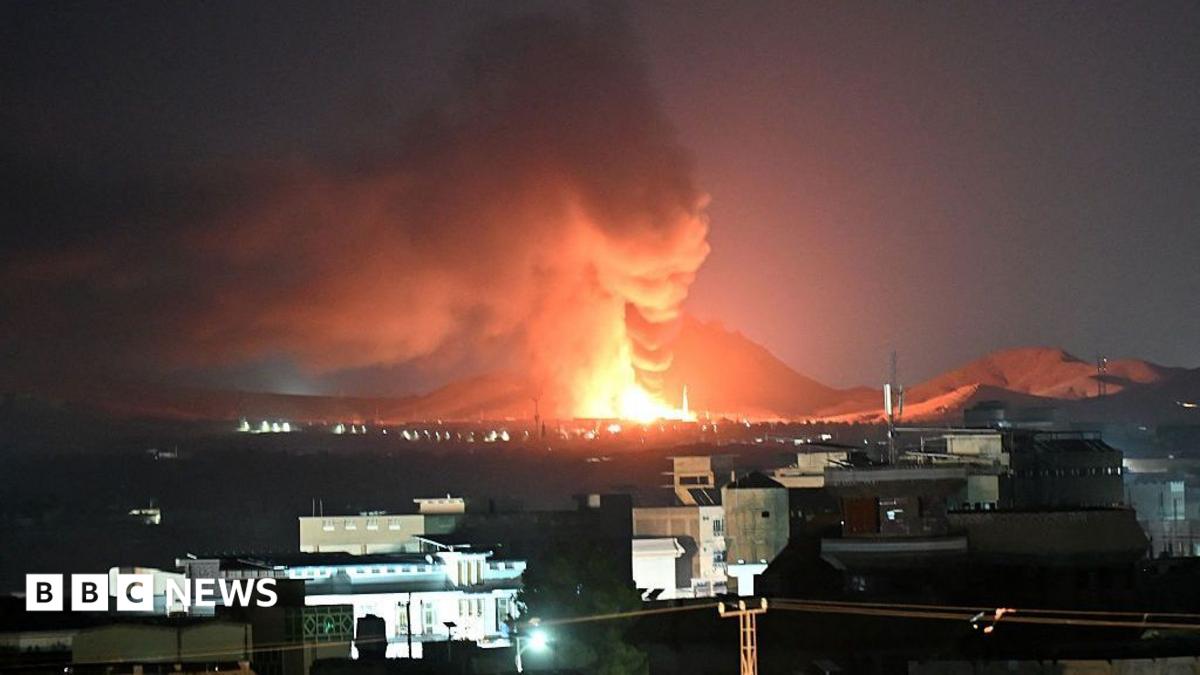
Four civilians lay dead on an Afghan road after a Pakistani air raid, and the number still haunts every headline about the border. The stark figure forces us to ask whether “limited” strikes can ever be truly limited when civilians pay the price.
According to the BBC, Pakistan’s military said it hit ten targets in Afghanistan on Thursday, insisting the operation was “strictly limited to identified military objectives”. The Taliban, now the de‑facto government in Kabul, confirmed that four non‑combatants were killed in the fallout.
Four civilian deaths raise fresh cross‑border alarm
The loss of four lives is not just a statistic; it is a flashpoint that could reignite a decades‑long feud. Since 2004, Pakistan has conducted dozens of cross‑border raids, often using drones, to chase Taliban remnants and Afghan insurgents who find sanctuary in the porous Durand Line region. Those missions have been justified as defensive, yet each incursion leaves a trail of collateral damage that fuels resentment on the Afghan side.
In fact, the Taliban’s statement underscores a growing frustration with Islamabad’s unilateral actions. While Pakistan claims its strikes target militants, the reality on the ground is messier. Afghan officials have repeatedly warned that civilian casualties erode any goodwill and could push local tribes toward the Taliban’s narrative of foreign aggression. Moreover, the timing of the raid—just weeks before Pakistan’s parliamentary elections—adds a domestic political layer. Candidates on the right are already leveraging anti‑Afghan sentiment, promising tougher border security, while reformists warn that reckless strikes risk international condemnation.
Meanwhile, the United States, still winding down its military footprint in Afghanistan, watches closely. Washington’s recent policy briefings emphasize “strategic stability” in South Asia, yet the U.S. has been reluctant to publicly rebuke Islamabad for fear of upsetting a delicate balance with the Taliban, which it still needs as a counter‑terrorism partner. As a result, the diplomatic space for mediation narrows, leaving regional actors to navigate the fallout on their own.
Why the strike matters for regional politics
The incident arrives at a moment when Monday’s political calendar in both Pakistan and Afghanistan is packed. In Islamabad, the ruling coalition faces a confidence vote that could be swayed by nationalist rhetoric about defending the nation’s borders. Opposition parties are already framing the Afghan casualties as proof of a reckless foreign policy that endangers Pakistani lives. If the government cannot convincingly separate its security agenda from civilian harm, it risks losing parliamentary support and public trust.
Across the border, the Taliban’s leadership is grappling with its own legitimacy crisis. While it has pledged to protect civilians, the loss of four innocents threatens to undermine that promise, especially in provinces where war‑wearied populations are already skeptical of the regime’s ability to deliver basic services. The Taliban may respond with diplomatic protests, demand compensation, or even launch limited retaliatory operations—a move that could spiral into a broader exchange of fire.
Economic markets are also watching. Investors in the region have grown accustomed to a fragile peace that keeps oil pipelines and trade routes humming. Any escalation could threaten the China‑Pakistan Economic Corridor (CPEC) and the Afghan‑Iranian trade flow, prompting a sell‑off in South‑Asian equities on Monday morning. Analysts at regional banks have warned that even a minor uptick in border skirmishes can trigger capital flight, as risk‑averse funds scramble for safer havens.
Yet the mainstream narrative often downplays the human cost, focusing instead on “terrorist sanctuaries” or “strategic necessity”. This omission is deliberate; it shields governments from accountability and keeps public attention on abstract security goals rather than on the families who now mourn four lost members. Critics argue that the term “limited” is a euphemism, allowing militaries to claim precision while ignoring the inevitable fog of war that engulfs civilians.
Counter‑arguments note that Pakistan faces genuine threats from militant groups that exploit the Afghan hinterland to launch attacks on its soil. Proponents of the strikes say that without decisive action, cross‑border terrorism would surge, endangering even more lives in the long run. While there is truth to the security concern, the calculus must weigh the immediate cost of four civilian deaths against the speculative benefit of neutralizing a handful of militants.
The bottom line is that the incident forces a reckoning: can any state truly conduct “strictly limited” strikes without spilling blood on the other side? History suggests otherwise. If the parties involved cannot agree on transparent investigations and joint oversight, the cycle of retaliation will continue, pulling more civilians into the crossfire.
The four bodies now lying in Afghan soil are a grim reminder that borders are not just lines on a map—they are lived realities for ordinary people. As Monday’s political dramas unfold, the question remains whether leaders will choose rhetoric over responsibility, or whether the tragedy will finally push Islamabad and Kabul toward a genuine, civilian‑first security dialogue. The world will be watching, but the victims will not.
Source: BBC Asia