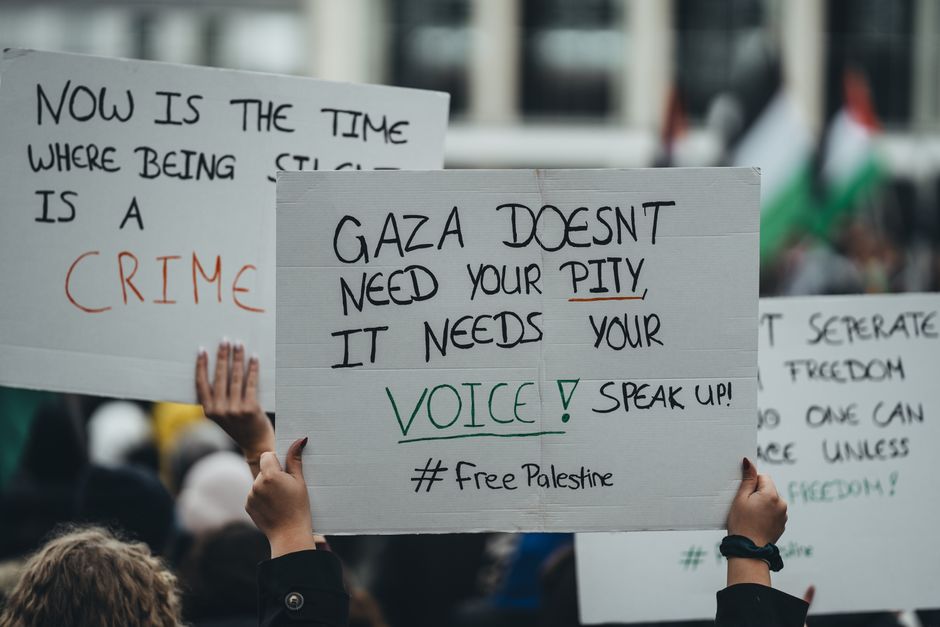
The world watches Gaza while the Board of Peace sketches a $2.4 billion reconstruction blueprint, yet Israeli forces continue to kill civilians, a stark reminder that money and mortar rarely share the same timetable. The same day the plan was unveiled, Al Jazeera reported that Israeli raids claimed seven more lives in the besieged enclave, underscoring the brutal paradox at the heart of any post‑war agenda.
According to Al Jazeera, the Board of Peace—a coalition of European NGOs, private donors, and UN agencies—unveiled a multi‑year, $2.4 billion package aimed at rebuilding homes, schools, and hospitals across Gaza. The proposal was presented as a “comprehensive, people‑centered” effort, promising to restore basic services and revive the shattered economy.
Why the Gaza reconstruction plan matters now
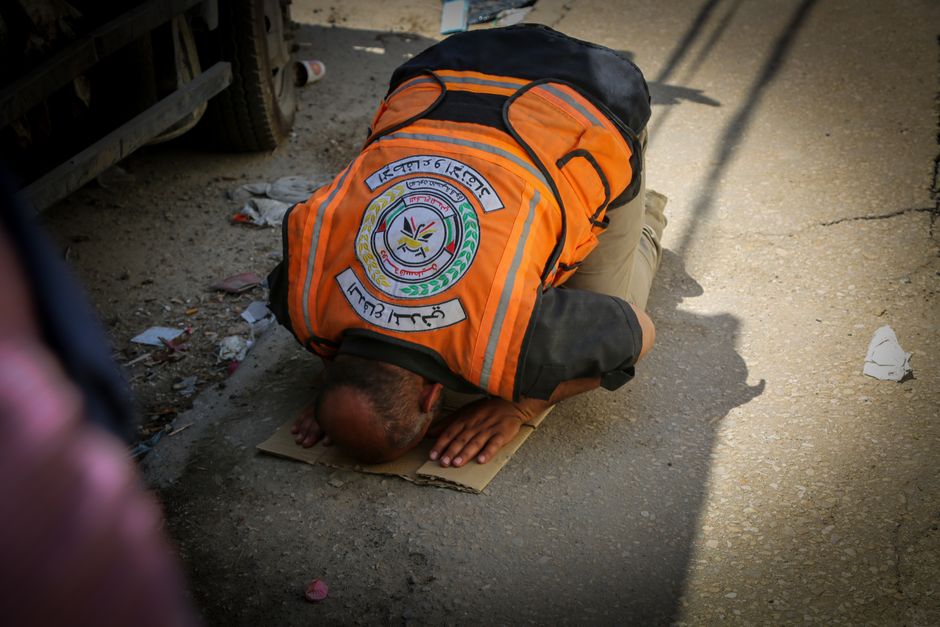
The timing of the Gaza reconstruction plan could not be more charged. After three years of intermittent conflict, the enclave’s infrastructure is a skeletal ruin: power grids flicker, water pipelines burst, and schools operate in makeshift tents. Meanwhile, the international community is still negotiating the terms of humanitarian aid, and donor fatigue looms large. As a result, the Board’s pledge arrives at a moment when the Palestinian Authority and Hamas are locked in a political stalemate, leaving ordinary Gazans to bear the brunt of both military and diplomatic inertia.
In fact, the plan’s scale reflects a shift from ad‑hoc relief to long‑term development. Previously, most aid flowed through emergency channels, focusing on food parcels and medical kits. Now, the Board proposes to fund large‑scale construction, vocational training, and micro‑enterprise grants—components that could, in theory, break Gaza’s dependency cycle. However, the plan also assumes a level of security and political stability that simply does not exist. Israeli settlements continue to expand, and the blockade remains largely intact, meaning that any imported material could be delayed or seized at the border.
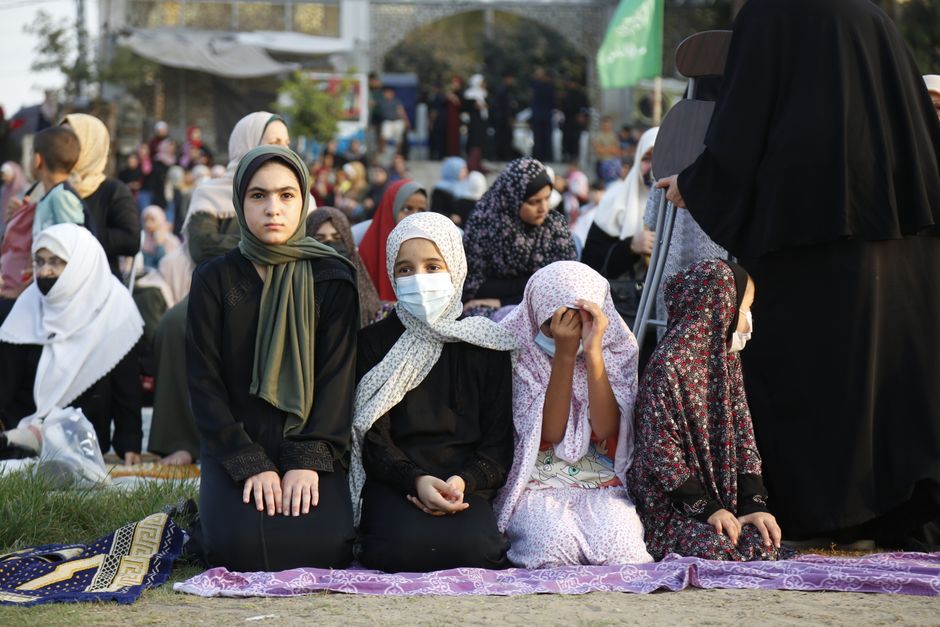
Moreover, the Gaza reconstruction effort is being framed as a diplomatic lever. European capitals have hinted that the funding could be tied to concessions on settlement activity or the lifting of certain sanctions. If true, the proposal becomes less about humanitarian goodwill and more about geopolitical bargaining. This reality fuels skepticism among Palestinians who see the promise of reconstruction as a veil for continued external control.
The hidden stakes of the Board of Peace’s $2.4 bn pledge
The Board of Peace’s $2.4 billion pledge is not merely a financial commitment; it is a strategic gamble. For donor nations, the plan offers a tangible way to demonstrate that they are not indifferent to Gaza’s suffering, especially after the recent killing of seven civilians that sparked protests across the Middle East. By earmarking funds for infrastructure, they hope to restore some credibility after years of criticism for turning a blind eye to the blockade.
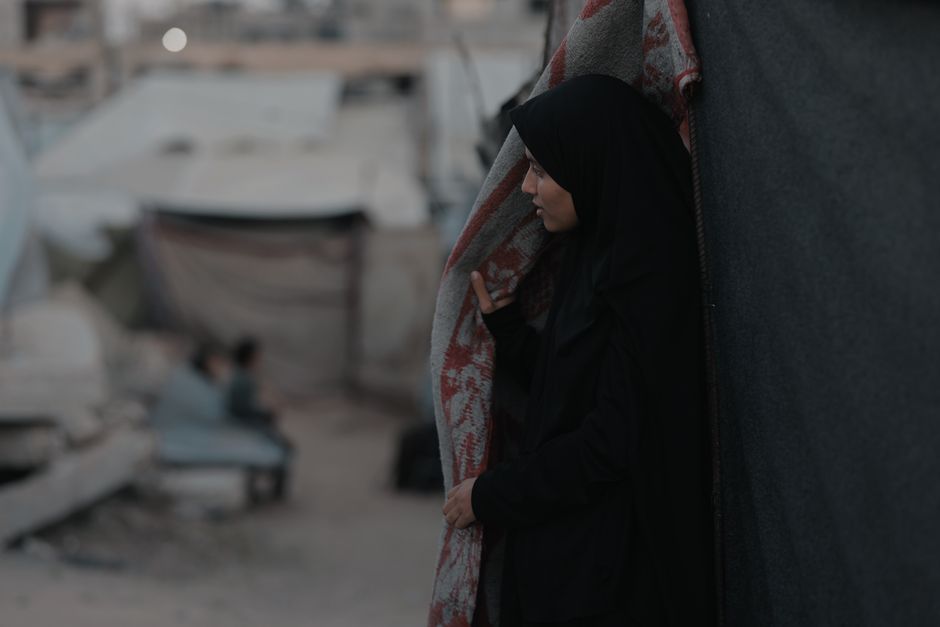
Nevertheless, the initiative also carries significant risks. First, the allocation of funds could become a new arena for corruption. Past reconstruction projects in war‑torn regions have been riddled with mismanagement, and Gaza’s opaque governance structures make oversight a daunting task. Second, the plan may inadvertently entrench power imbalances. If the majority of contracts go to foreign firms or to entities aligned with particular political factions, the promised “people‑centered” approach could morph into a top‑down showcase that marginalizes local voices.
On the other hand, there are potential winners beyond the immediate beneficiaries. Israeli businesses that stand to supply construction materials could profit from a surge in demand, while regional investors might see an opportunity to tap into a nascent market once the blockade eases. Meanwhile, the United States, which has traditionally backed Israel’s security narrative, could find itself sidelined as European actors take a more active role in Gaza’s future.
Critics argue that the $2.4 billion figure is a paltry sum compared to the total destruction. Independent estimates suggest that rebuilding Gaza to pre‑conflict standards would cost upwards of $10 billion. The Board’s modest budget therefore risks becoming a symbolic gesture rather than a transformative force. Yet supporters contend that any funding, however limited, is better than a perpetual status quo of rubble and despair.
In the broader Middle East context, the Gaza reconstruction plan is a litmus test for the region’s capacity to move beyond reactive aid toward sustainable development. If the Board can navigate the political minefield, ensure transparent delivery, and actually rebuild homes before the next round of hostilities, it could set a precedent for post‑conflict reconstruction elsewhere. Failure, however, will reinforce the cynical view that the international community can afford to promise rebuilding but not to enforce the peace that makes it possible.
The Board’s timeline is ambitious: a five‑year rollout with quarterly milestones. Yet each milestone hinges on the cessation of large‑scale violence, a condition that has proven fleeting. The recent Israeli operation that killed seven civilians demonstrates how quickly the fragile calm can shatter. Without a durable ceasefire, even the best‑drafted reconstruction blueprint will stall at the border, its funds locked in warehouses while Gazans continue to live in makeshift shelters.
Closing thoughts
The Gaza reconstruction plan shines a spotlight on a paradox that defines the modern conflict: we can design billion‑dollar blueprints while bombs still fall. If the Board of Peace can translate its $2.4 billion promise into brick‑and‑mortar reality, it will prove that humanitarian ambition can survive geopolitical turmoil. If not, the plan will join a long list of well‑intentioned schemes that crumble under the weight of ongoing war. The real question is whether the international community is prepared to fund not just structures, but also the fragile peace that must precede them.
Source: Google — Middle East