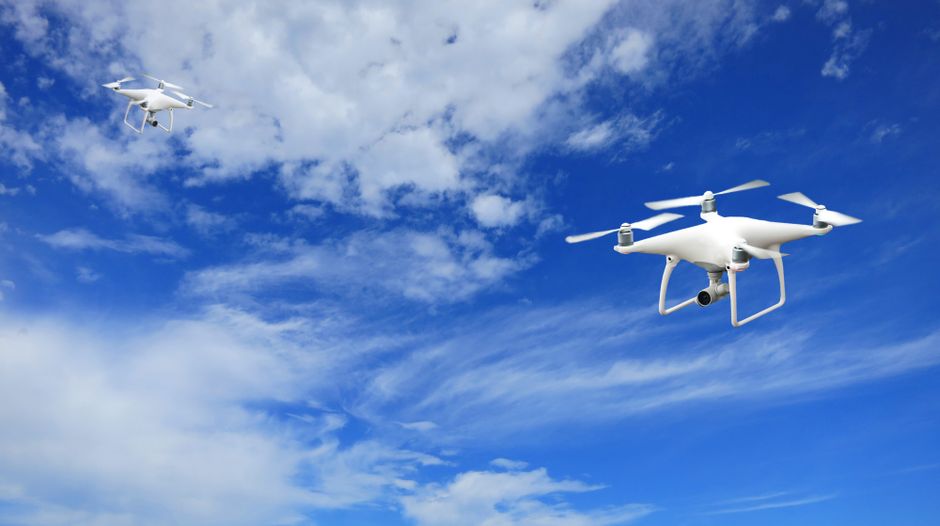
The sight of eight unmanned aircraft streaking across Pakistani airspace this week has reignited a question no one wants to answer: how far will the **taliban drone** programme go before it drags the whole subcontinent into a new aerial arms race? The very phrase “taliban drone” now sounds like a headline for a sci‑fi thriller, yet Aaj News confirms that Pakistan’s air defence forces actually knocked down eight such machines in a single afternoon, blaming the Afghan Taliban for the incursion.
According to Aaj News, the drones were detected near the western border of Pakistan, an area that has long served as a porous corridor for militants and smugglers alike. Pakistani radar operators scrambled fighter jets, and within minutes the aircraft were engaged and brought down. The ministry of defence released a terse statement, insisting that the objects were hostile and that the response was “necessary to protect national sovereignty.” No casualties were reported, but the episode has already sparked a flurry of speculation across Islamabad, Kabul and New Delhi.
Taliban Drone Threat in the Region
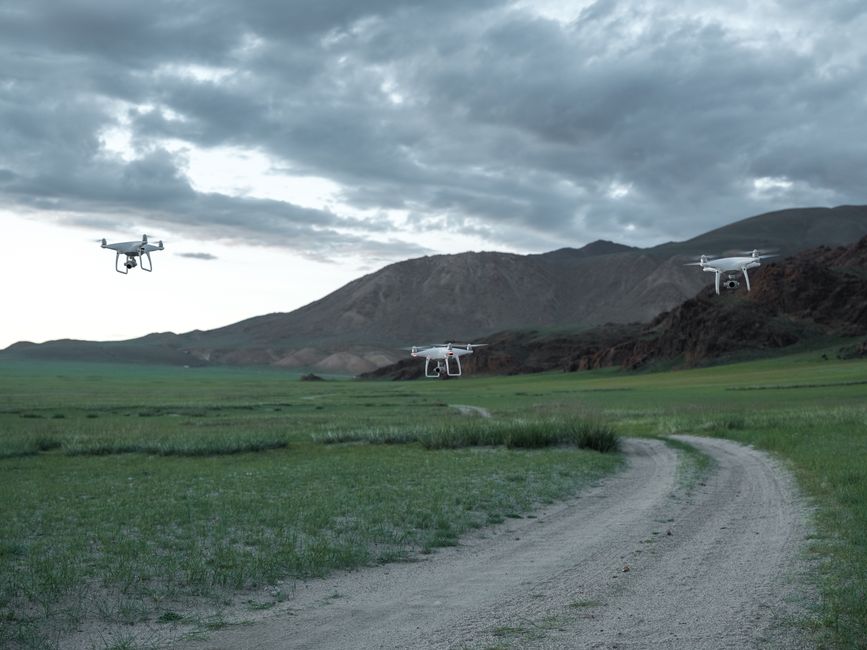
The emergence of a **taliban drone** capability marks a stark evolution from the guerrilla tactics that have defined the group for the past two decades. Until recently, the Taliban’s arsenal consisted largely of small arms, mortars and improvised explosive devices; now it appears to be testing the limits of low‑cost, commercially available UAVs modified for surveillance and, potentially, strike missions. This shift is not happening in a vacuum. The United States’ withdrawal from Afghanistan left a vacuum of technical expertise that former NATO contractors and private firms have quietly filled, selling off surplus drones and training packages to whoever can pay. Moreover, Iran’s own drone programme has reportedly offered the Taliban access to more sophisticated platforms, a claim that Tehran’s officials deny but regional analysts treat as plausible.
Meanwhile, Pakistan’s own drone procurement drive, spurred by recent incursions along the Line of Control with India, has accelerated the deployment of advanced air‑defence radars and surface‑to‑air missiles. The fact that eight drones were intercepted in rapid succession suggests that Pakistani forces are now capable of handling swarms, a capability that would have seemed far‑fetched a decade ago. Yet the very act of shooting down eight aerial objects also reveals a deeper insecurity: Islamabad can no longer rely on the tacit understanding that the border with Afghanistan is a low‑intensity, ground‑only theatre. The **taliban drone** presence forces a re‑calibration of both strategy and budget, diverting resources from other pressing security challenges.
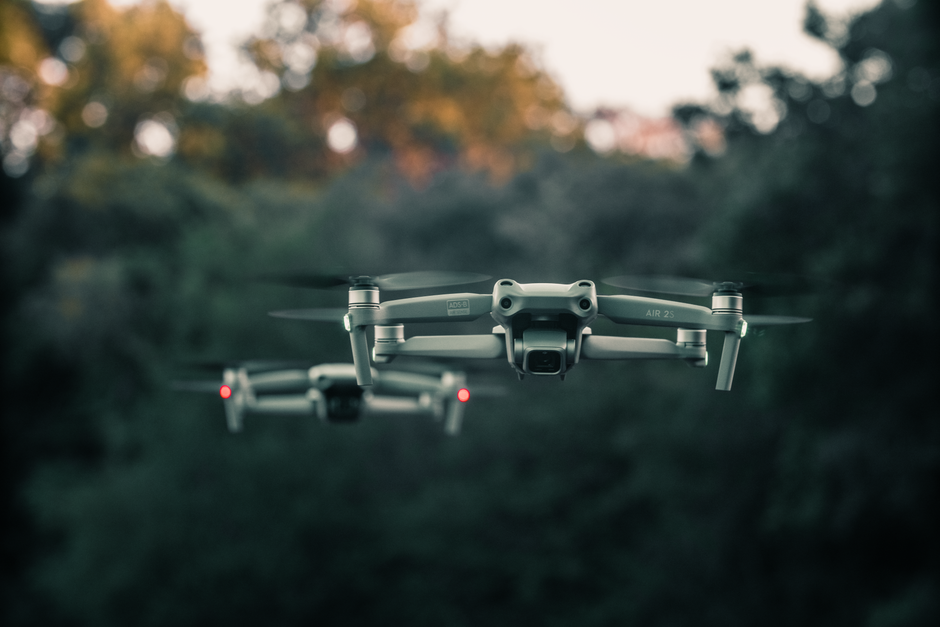
Historically, the Taliban has leveraged technology selectively, adopting satellite phones and encrypted messaging when it suited their narrative. The recent incident, however, signals a willingness to experiment with autonomous systems that could gather intelligence on Pakistani troop movements, supply lines, or even conduct limited kinetic attacks. If the Taliban can field a modest swarm of cheap drones, the cost‑to‑effect ratio becomes alarmingly favorable compared to conventional artillery or rocket fire. This calculus could embolden other non‑state actors across South Asia, from Kashmiri insurgents to Baloch separatists, to acquire similar capabilities, creating a cascading effect that would overwhelm existing air‑defence doctrines.
What This Means for South Asian Stability
The immediate fallout from the intercepted **taliban drone** swarm is likely to be a hardening of Pakistan’s border policies and a surge in diplomatic pressure on Kabul. Islamabad is expected to demand that the Taliban curtail any drone activity and may even consider cross‑border retaliatory strikes if evidence emerges that the aircraft were launched from Afghan soil. Such a move would risk reigniting a broader conflict that could draw in India, whose own concerns about Taliban‑aligned drone technology spilling over into Kashmir are already palpable. New Delhi has hinted that any escalation could trigger a “regional security review,” a vague warning that carries the weight of potential air‑space closures and heightened naval patrols in the Arabian Sea.
On the other hand, the Taliban’s leadership may use the incident to bolster its domestic legitimacy, portraying the drone sorties as a demonstration of “modern resistance” against a hostile neighbour. This narrative could resonate with a young Afghan population that grew up with smartphones and social media, further eroding any remaining barriers to radicalisation. Internationally, the United Nations and the United States are likely to condemn the use of unmanned weapons by non‑state actors, but concrete action will be hampered by the lack of a clear legal framework governing **taliban drone** attacks. The result is a policy vacuum that could be exploited by both state and non‑state players seeking to test the limits of international tolerance.
In the broader economic picture, investors watching the South Asian markets will tighten their risk assessments. Insurance premiums for freight routes that skim the Pakistan‑Afghanistan border could rise, and foreign direct investment in infrastructure projects—especially those involving energy pipelines or rail links—may be delayed pending security guarantees. The ripple effects could stall the region’s already fragile recovery from the pandemic and climate‑induced disruptions, reinforcing a cycle where insecurity breeds under‑investment, which in turn fuels further instability.
The mainstream narrative, however, tends to paint the incident as an isolated “border skirmish,” ignoring the deeper technological shift it represents. While officials in Islamabad and Kabul exchange polite condemnations, the reality is that the **taliban drone** phenomenon is a symptom of a larger trend: the democratization of aerial warfare. As more actors gain access to cheap, off‑the‑shelf UAVs, the line between conventional and unconventional conflict blurs, forcing governments to rethink everything from rules of engagement to budget allocations.
If Pakistan’s air‑defence success today becomes a template for other nations, we may soon see a cascade of “drone‑kill” operations across the subcontinent, each one raising the stakes and the probability of miscalculation. The real danger lies not in the eight drones that fell this week, but in the inevitable next wave—potentially larger, more sophisticated, and harder to attribute. In that scenario, the question will shift from “who shot down the drones?” to “who will be the first to launch a retaliatory strike?”
The bottom line is stark: the **taliban drone** episode is a warning shot, not a one‑off glitch. Unless regional powers confront the growing accessibility of unmanned weapons head‑on, South Asia could find itself caught in a perpetual low‑altitude war that threatens to spill over into the high‑stakes arena of conventional state conflict. The choice now is whether to treat this as a fleeting nuisance or as the opening move in a new chapter of regional warfare.
Source: Google — Pakistan incidents