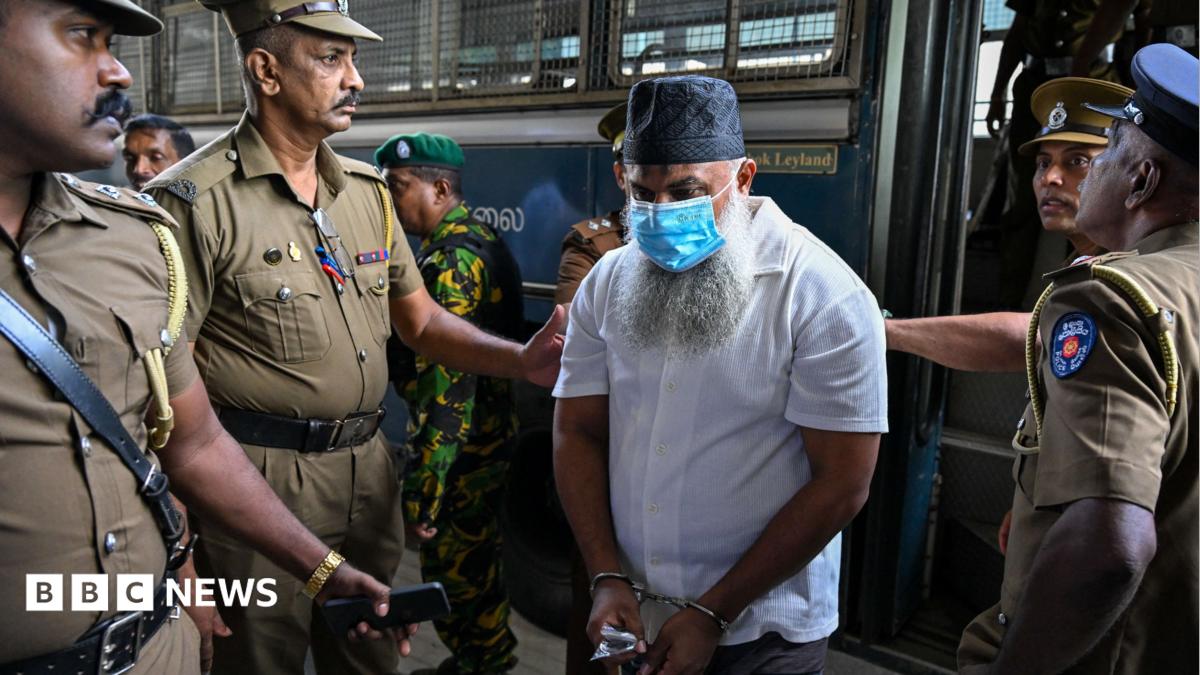
The verdict feels like a delayed heartbeat in a nation still trying to stitch together the wounds of 2019 – **Sri Lanka** finally put fifteen suspects behind bars for the Easter Sunday carnage, but the justice served is as fragile as the shattered stained‑glass windows they once worshipped beneath.
According to the BBC, a Colombo court found fifteen men guilty of planning and executing the coordinated attacks on three churches and three luxury hotels that killed 270 people. The convictions come seven years after the bombings that shook the island’s fragile post‑war recovery.
Sri Lanka: Why the Convictions Matter
In fact, the legal outcome is more than a closure of a criminal case; it is a litmus test for how **Sri Lanka** handles political extremism and the erosion of civil liberties that followed the attacks. The Easter Sunday bombings were not just a terror plot; they were a catalyst that thrust the nation into a spiral of emergency powers, media crackdowns, and a reshuffling of security agencies. As a result, the government’s response has been scrutinized by both regional neighbors and Western allies who fear a slide back into authoritarianism.
The key players in this drama are the ruling coalition, still haunted by accusations that intelligence failures allowed the plot to unfold, and the opposition, which has long claimed the state used the crisis to silence dissent. Meanwhile, the families of the victims have campaigned tirelessly for accountability, insisting that any judicial process must go beyond mere punishment and address the systemic lapses that enabled the tragedy. Consequently, the court’s decision is being read as a barometer of whether **Sri Lanka** can balance security imperatives with democratic norms.

The Bigger Picture: Terror, Justice, and Political Fallout
Nevertheless, the convictions raise more questions than they answer. Who exactly funded the operation, and why were the perpetrators able to smuggle explosives past a security apparatus that was supposedly on high alert? The prosecution’s reliance on confessions obtained under questionable circumstances has already drawn criticism from human‑rights groups, who warn that the verdict could set a dangerous precedent for future cases. Moreover, the fact that only fifteen men were sentenced, while dozens of lower‑level operatives remain at large, suggests a selective pursuit of justice that may serve political ends more than the truth.
On the other hand, supporters of the ruling party argue that the verdict restores a measure of confidence in the judiciary after years of perceived politicisation. They contend that the convictions demonstrate that **Sri Lanka** can finally bring closure to a chapter that has haunted its tourism sector, a vital source of foreign exchange that never fully recovered after the bombings. In their view, the court’s decision is a signal to both domestic extremists and international investors that the state is capable of delivering decisive action.
Yet the mainstream narrative often glosses over the deeper societal fissures exposed by the attacks. The Easter Sunday bombings amplified religious tensions, especially between the Buddhist majority and the Muslim minority, and the subsequent crackdown on Muslim communities sparked accusations of collective punishment. As a result, the verdict may do little to heal inter‑communal distrust unless accompanied by a transparent inquiry into the intelligence failures and the political meddling that followed. Failure to address these underlying issues could sow the seeds for future radicalisation, undermining the very security the convictions purport to guarantee.
In short, the courtroom drama in **Sri Lanka** is a microcosm of a broader struggle: the desire for retribution versus the need for systemic reform. If the government chooses to parade the verdict as a triumph without tackling the structural weaknesses that allowed the bombings, it risks turning justice into a hollow performance. Conversely, a genuine reckoning that includes institutional overhaul could transform this grim milestone into a stepping stone toward lasting stability.
The verdict may close a legal file, but the real story is just beginning. Will **Sri Lanka** seize this moment to rebuild trust across its fractured society, or will it let the echo of gunfire fade into another chapter of unfulfilled promises? The answer will define the island’s trajectory for years to come.
Source: BBC Asia