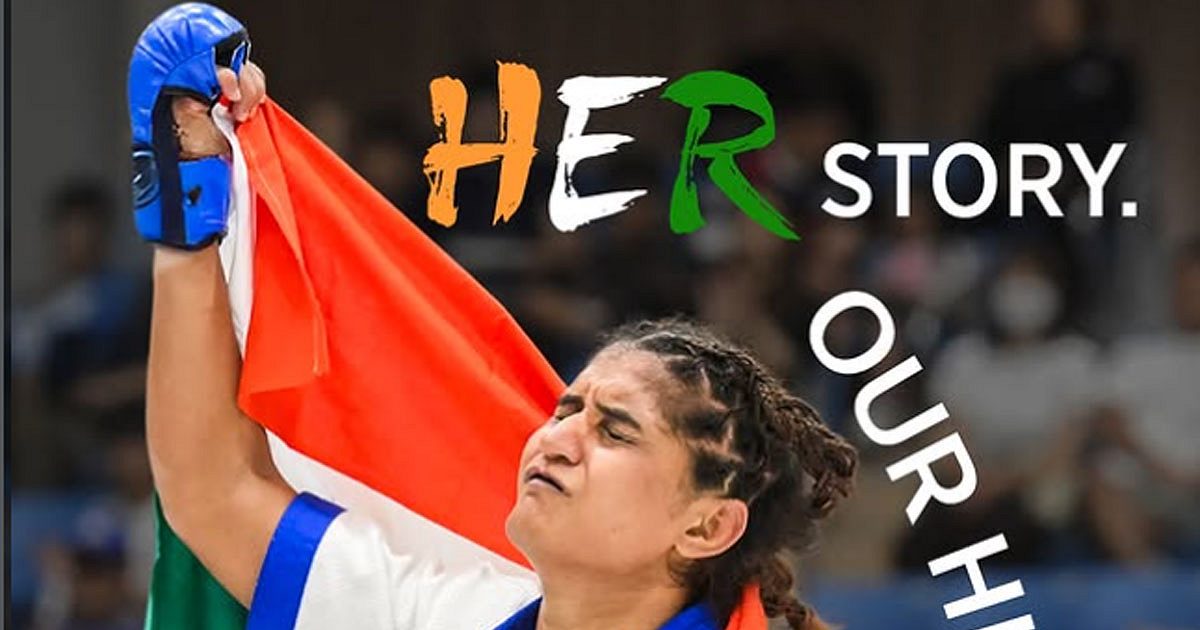
The bronze medal secured by Suchika Tariyal in mixed martial arts at the Asian Games isn’t just a win for one athlete; it’s a potent, albeit perhaps complicated, statement about the evolving sporting landscape in **India**.
The news broke from Rediff.com: Suchika Tariyal had clinched India’s inaugural medal in mixed martial arts, a bronze in the women’s traditional 60kg event. This wasn’t merely a personal victory but a significant milestone for a nation often celebrated for its cricket prowess rather than its pugilistic arts. The Asian Games, a stage of immense prestige, now bears witness to India’s nascent steps into the brutal beauty of MMA.

The context is crucial: for a country of over a billion people, “firsts” in global sporting arenas, especially in non-traditional disciplines, carry an outsized weight. They become symbols, often co-opted, of national ambition and progress. This particular achievement arrives in a sport still finding its footing in mainstream Indian consciousness, adding layers to its historical significance.
What landed
What truly landed from the Rediff.com report was the sheer “historic” nature of the win. India, a sporting giant in many respects, had never before seen one of its own on the MMA podium at such a prominent international event. This isn’t just a statistic; it’s a narrative-shifting moment, signaling a potential new frontier for Indian athleticism and competitive spirit.
The report highlights a “fiercely contested bout that ended in a draw,” painting a vivid picture of Tariyal’s tenacity. Even in defeat, having lost the semifinal to Singapore’s Hui Hoon Teo due to a referee’s decision despite the deadlock, the fight itself underscored her formidable skill and resilience. It speaks to a competitive grit that even the most seasoned commentators would appreciate, showcasing a fighter who left everything in the cage. This wasn’t a walkover; it was a hard-won recognition of talent.
The very fact of a medal, regardless of its color or the controversial decision, undeniably puts MMA on the map for a segment of the Indian public and sporting bureaucracy that might have previously overlooked it. It offers a tangible reward, a proof of concept for a sport that demands incredible discipline, strength, and strategic thinking. For aspiring martial artists across India, Tariyal’s bronze isn’t just shiny metal; it’s a beacon.
What doesn’t add up
While celebrating a historic first, one can’t help but feel a certain disconnect in the narrative. For a triumph of this magnitude, the individual voice of the athlete herself is conspicuously absent from the summary. An “On The Record” moment is often defined by the words, the reflections, the raw emotion of the person who lived it. Yet, we are left to infer the feelings behind the achievement, rather than hearing them directly from Tariyal. This oversight, whether by circumstance or design, leaves a significant gap in what could have been a truly resonant moment for Indian sports.
Then there’s the peculiar detail of the semifinal loss: a “fiercely contested bout that ended in a draw,” yet a loss “due to a referee’s decision.” This phrasing, while factual, invites a skeptical eye. In a sport striving for global legitimacy, such decisive, non-transparent judgments after a drawn contest can sow seeds of doubt. It raises questions about the consistency and clarity of officiating, particularly when an athlete’s hard-fought effort results in a loss despite parity on the scorecards. How much of this was a genuine judgment, and how much simply the unavoidable subjective nature of certain combat sports’ scoring?
Furthermore, while a “first-ever medal” is undoubtedly commendable, it also subtly highlights the long road India has yet to travel in diversifying its sporting dominance. Why has it taken until now for such an achievement in a global sport like MMA? Is this medal a symptom of a burgeoning, well-supported national MMA infrastructure, or is it, more likely, a testament to individual perseverance against often limited institutional backing? The “historic” label can inadvertently gloss over the systemic challenges that still face athletes in emerging sports within India, often leaving them to train and compete with inadequate resources.
Monday morning, this bronze medal changes the conversation. It forces national sports bodies in India to acknowledge MMA not just as a niche activity, but as a legitimate avenue for international sporting glory. It puts pressure to invest, to build, and to support. But beyond the immediate fanfare, the real stakes lie in whether this moment catalyzes genuine systemic change, or if Tariyal’s bronze remains an isolated, albeit brilliant, individual achievement.
Source: OnTheRecord