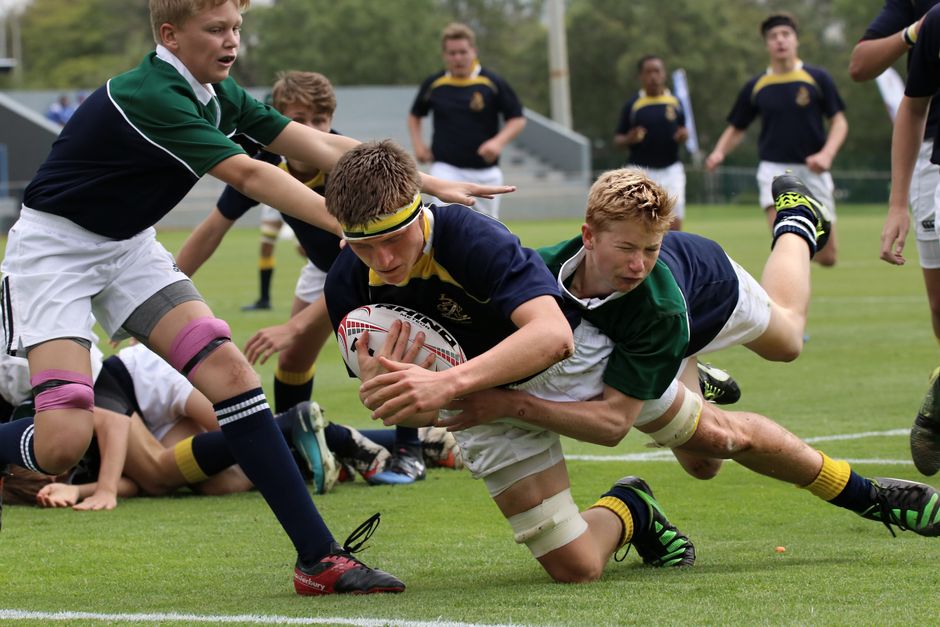
The final whistle at the National Top Four wasn’t just the end of a rugby match; it was a thunderous, undeniable statement from **St Andrew**’s College, echoing far beyond the pitch. This was their moment on the record, delivered not through carefully chosen words, but through an exhibition of skill, determination, and sheer resilience.
St Andrew’s College, a team that had navigated a season shadowed by a contentious exclusion from the South Island competition, faced Tauranga Boys’ in a contest laden with significance. The political context here wasn’t about geopolitical maneuvering, but about the very essence of fair play and opportunity within school sport. Their emphatic 34-24 victory, as reported by the NZ Herald, wasn’t merely a scoreboard tally; it was a defiant rebuttal, a carefully orchestrated performance that demanded attention from everyone who had doubted their place.
What landed
The most striking aspect of St Andrew’s College’s “interview” was its unwavering clarity. From the first whistle, their performance spoke volumes, communicating a powerful message of belonging and capability. The team’s dominant display, culminating in a decisive 34-24 win, was a masterclass in letting actions speak louder than any official decree. It was encouraging to witness a squad so clearly galvanized by adversity, channeling their frustration into a cohesive, high-energy effort.
This wasn’t just a win; it was an eloquent argument for their rightful place at the top. The NZ Herald’s report of the final score underscores an undeniable truth: despite being excluded from their regional competition, St Andrew’s proved they were not only competitive but champions. This achievement gives credit where it is most certainly due, showcasing a spirit that refused to be quelled. The students, coaches, and wider school community presented a united front, delivering a narrative of triumph against odds that few could genuinely dispute.
What doesn’t add up
While the victory was a cause for celebration, it simultaneously threw the initial exclusion into stark relief, begging the question of what, precisely, was the rationale for sidelining such a formidable team. The “statement” delivered by St Andrew’s on the field creates a significant contradiction with the initial decision to exclude them from the South Island competition. If this team was capable of winning the national title, what does that say about the process that sought to deny them a regional path? It leads one to be quite skeptical about the initial assessment that led to their absence.
Furthermore, while the win is a fantastic story, it doesn’t automatically resolve the underlying systemic issues that led to the exclusion. The celebratory glow of a national title, as brilliant as it is, shouldn’t distract from the need to critically examine the frameworks governing school sports. One might ask, with a wry smile, if the governing bodies are now ready to issue an apology, or if this triumph will simply be considered an inconvenient truth. The real test will be whether this victory prompts a deeper, more transparent review of competition rules, or if it remains a singular, albeit magnificent, act of defiance.

Monday morning, the rugby world will wake up to a new national champion, but also to persistent questions about fairness and opportunity. St Andrew’s College has delivered their definitive response, but the ball is now firmly in the court of those who govern the game. Will their victory pave the way for a more equitable system, or merely serve as a poignant reminder of a battle unnecessarily fought and won? The stakes for school rugby governance are now considerably higher.

Source: OnTheRecord