
Are we really surprised that our beloved gadgets are about to hit us with a heavier price tag? For anyone paying attention, the writing has been on the wall. The era of cheap, disposable `technology` is officially over, and soon your new iPhone will be the clearest, most painful proof.
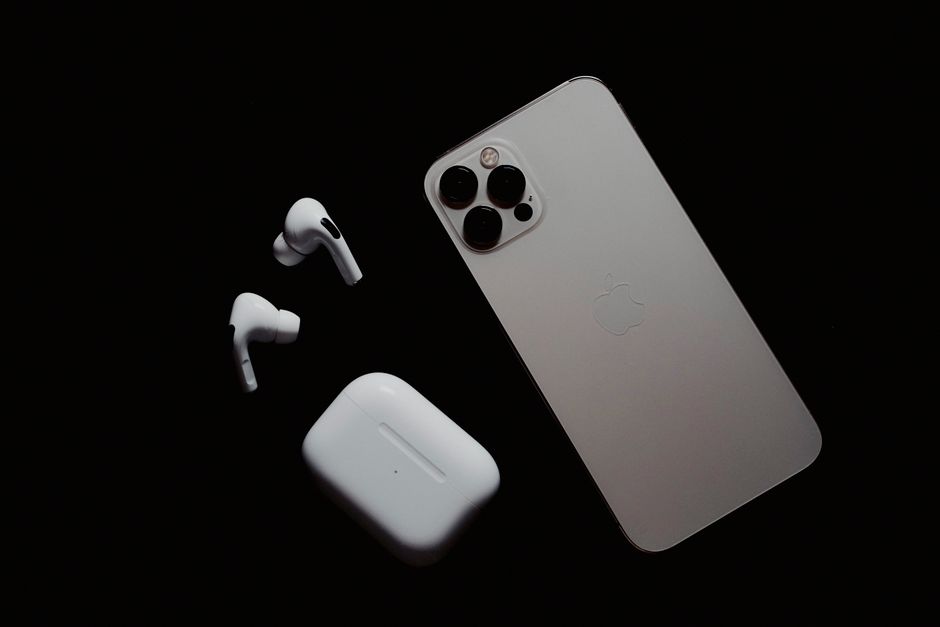
According to a report from The Verge, Apple’s upcoming iPhone generation is expected to come with a significantly higher price tag. This isn’t just Apple being Apple; it’s a direct consequence of soaring memory costs, a phenomenon dubbed “chipflation,” which shows no signs of abating.

The Real Cost of Cutting-Edge Technology
This isn’t merely an inconvenience for Apple fans; it’s a seismic shift for the entire consumer `technology` landscape. For years, we’ve enjoyed a relentless march of progress, where devices got faster, sleeker, and often, more affordable relative to their capabilities. Those days are fading into memory, much like the price of the chips driving them. The surge in memory costs, specifically, is a fundamental input cost that affects everything from smartphones to laptops, servers, and even smart home devices.
The implications stretch far beyond Cupertino. Every major player in the electronics sector, from Samsung to Google to smaller niche manufacturers, relies on these fundamental components. When the price of DRAM and NAND flash memory skyrockets, the ripple effect is unavoidable. It exposes a painful truth about the fragility of global supply chains and our collective dependence on a handful of specialized manufacturers, largely concentrated in East Asia. This isn’t just a blip; it’s a recalibration of value.
The mainstream narrative often focuses on consumer demand or manufacturing tweaks, but the core issue here is a deep-seated supply problem meeting ever-increasing demand for more powerful, data-hungry devices. Furthermore, the push for more complex AI capabilities embedded directly into devices, demanding even greater memory bandwidth and capacity, only exacerbates the pressure on these already strained supply lines. We are constantly demanding more, and the infrastructure to deliver it is struggling to keep pace.
Who Profits from Chipflation?
Let’s be blunt: the biggest winners in this scenario are the memory manufacturers themselves. Companies like Micron, Samsung, and SK Hynix, who produce the vast majority of the world’s memory chips, are currently holding all the cards. Their increased pricing power allows them to rake in higher profits, which they argue is necessary to fund the massive capital expenditures required for next-generation fabrication plants. While that might be true, it’s also undeniably a seller’s market, and they are leveraging it to the hilt.
Meanwhile, consumers are the obvious losers. We’re told we need the latest `technology` for work, for school, for staying connected. Yet, the cost of entry is creeping upwards, potentially creating a divide where cutting-edge innovation becomes a luxury reserved for the affluent. This isn’t just about the iPhone; it’s about the broader accessibility of advanced computing power. What does it mean for societal progress when the tools of progress become prohibitively expensive for a significant portion of the population?
The irony is that many tech companies, like Apple, pride themselves on pushing boundaries. But when the fundamental building blocks become scarcer and pricier, innovation inevitably faces new constraints. Companies will have to make harder choices: absorb costs and shrink margins, or pass them directly to consumers, risking sales volumes. For years, we’ve seen tech companies squeeze every penny out of their supply chain. Now, the supply chain is squeezing back. This isn’t simply market forces at play; it’s a stark reminder of our globalized, interconnected vulnerability.
This “chipflation” is more than a pricing adjustment; it’s a warning shot. It signals a fundamental shift in the economics of consumer `technology`, where the invisible hand of supply chain dynamics is asserting its power over years of consumer expectation for ever-decreasing costs. Expect your wallet to feel the squeeze, and don’t expect relief anytime soon. The future of innovation just got a whole lot more expensive.
Source: The Verge