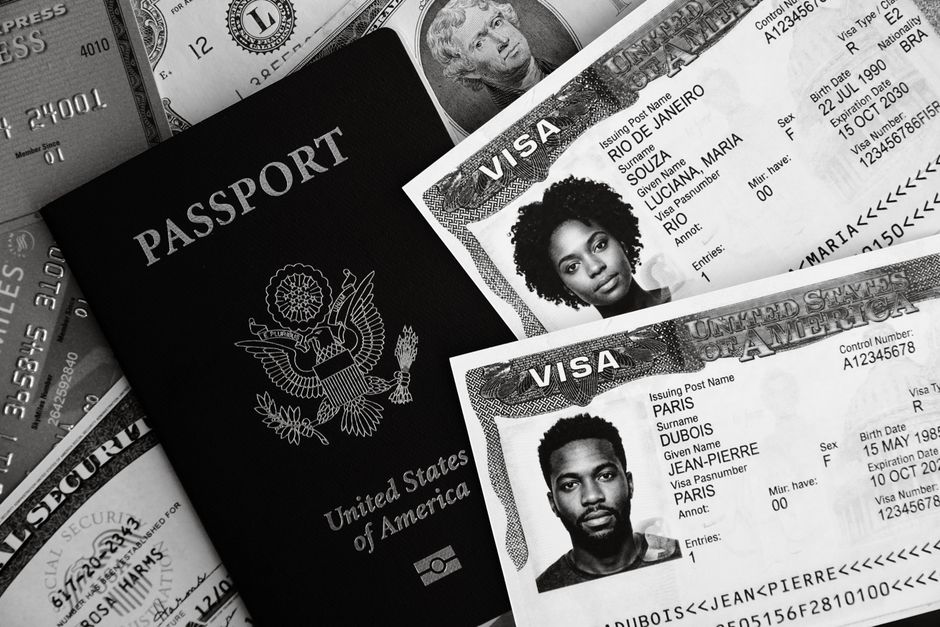
How many more must die before bureaucracy gives way to basic human decency? This isn’t just a rhetorical question; it’s the grim reality faced by families torn apart by conflict, now compounded by the cold logic of immigration policy. In a world reeling from the devastation in Gaza, the story of Maryam serves as a stark, unforgiving mirror to our collective conscience.
According to The Guardian, Anwar, a refugee living in Glasgow, believes his sister-in-law, Maryam, would still be alive today if the Home Office had granted her and her family a visa to the UK. Maryam, battling cancer, was denied entry despite the desperate pleas from her family. Anwar himself fled Gaza in 2020, successfully gaining refugee status in the UK in 2021.
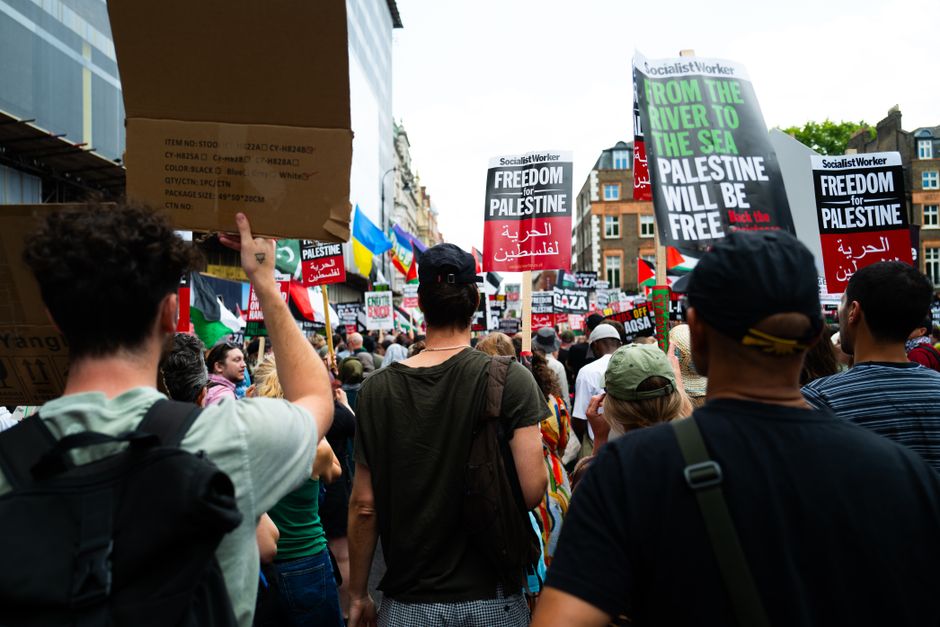
The Crushing Reality of Life in Gaza
The context here is critical, brutal, and undeniable. Large areas of Gaza have been utterly destroyed by Israeli forces following the Hamas attacks on Israel, a devastating cycle of violence that has left millions facing unimaginable hardship. Infrastructure lies in ruins, access to medical care is severely compromised, and the very fabric of daily life has been shredded. For those like Maryam, already in a fragile state due to illness, the war zone became a death trap. Her family, watching from afar, was powerless. They could only appeal to a system that, for all its claims of compassion, often operates with a chilling dispassion.
This is not merely about one family’s tragedy; it speaks to the broader, often heart-wrenching, reality of seeking refuge from the world’s most dangerous places. The UK, like many Western nations, grapples with the immense pressure of immigration. However, when the stakes are literally life and death, the processes in place seem to prioritize control over crisis. The question isn’t whether rules should exist, but whether those rules possess the flexibility—or indeed, the humanity—to bend in the face of absolute catastrophe. This case highlights a moral quandary that will undoubtedly continue to plague political debates this week, as politicians are forced to confront the tangible outcomes of their abstract policies.
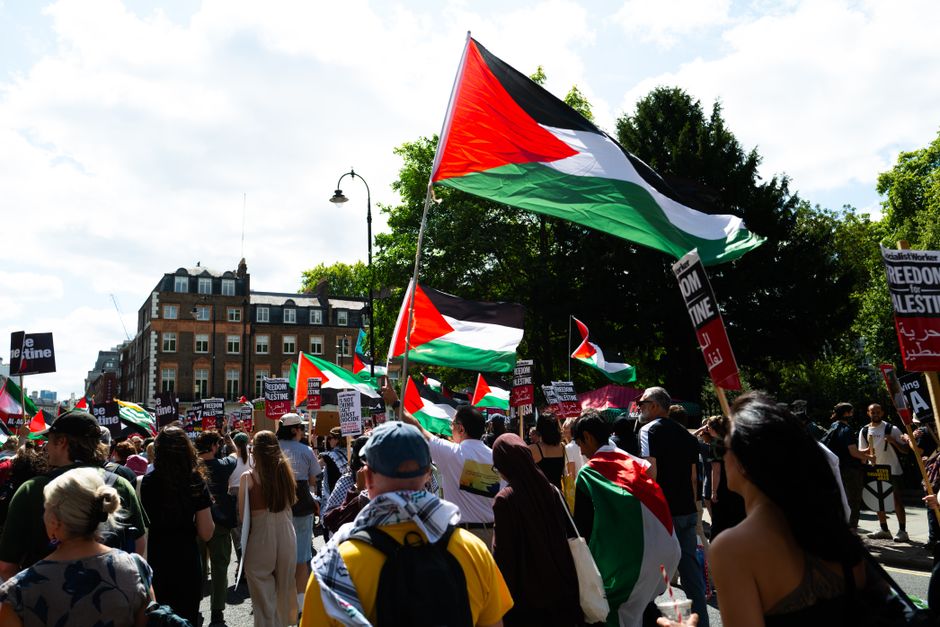
Bureaucracy vs. Humanity: The Home Office’s Stance
The Home Office’s refusal to grant Maryam a visa, despite her terminal illness and the dire circumstances in Gaza, forces us to examine the true nature of Britain’s “welcoming” rhetoric. On one hand, the UK rightly prides itself on offering sanctuary to those fleeing persecution, as Anwar’s own successful refugee claim demonstrates. On the other, it erects barriers so high that even a dying woman cannot find safe passage. This creates a deeply troubling contradiction. Who wins in this scenario? The Home Office, perhaps, maintains its strict immigration targets, reinforcing a narrative of controlled borders.
However, the human cost is immeasurable. Maryam lost her life. Her family lost a loved one, and the UK loses a piece of its moral authority. The mainstream narrative often glosses over these individual stories, preferring to discuss immigration in broad, statistical terms. Yet, it is precisely these deeply personal tragedies that expose the chasm between policy and its devastating real-world impact. While the Home Office might argue about the need for consistent application of rules or the dangers of setting precedents, such arguments ring hollow against the backdrop of a preventable death in a war-torn region. Consistency should not come at the expense of common sense or compassion, especially when facing a crisis as severe as that unfolding in Gaza.
Furthermore, this incident throws a harsh light on the perceived disconnect between the UK’s humanitarian aid efforts abroad and its immigration policies at home. Britain provides significant assistance to war-torn regions, including Gaza. Yet, when individuals from those very regions seek direct sanctuary from immediate danger, the doors often remain firmly shut. This is not just a policy failure; it’s a moral failure. The government must reconcile its stated values with the tangible outcomes of its decisions. Until then, these tragic stories will continue to pile up, each one a damning indictment of a system that prioritizes procedure over the sanctity of human life. The question for Monday’s political discourse is whether anyone will truly listen.
Source: Guardian Middle East