
A potential high-level departure within the White House often says more about internal currents than any official press release ever could.
The latest tremor emanating from inside the Beltway, as reported by HuffPost, suggests a significant shake-up: the White House is reportedly reviewing candidates to replace Hegseth Deputy Feinberg. This isn’t just another personnel shuffle; according to sources cited by HuffPost, a departure by Feinberg would mark “the most senior staff change” for a department that has already weathered “a string of high-profile departures.” The information, delivered not through a formal announcement but via anonymous sources, paints a picture of an administration grappling with internal churn, managing expectations through carefully placed whispers rather than direct statements. It’s a classic Washington play, telegraphing a move before it’s officially confirmed, allowing for a controlled narrative to seep into the public consciousness.

What landed
What truly “landed” from this report wasn’t a declarative statement, but the strategic leak itself. The core revelation, that the White House is actively vetting replacements for Deputy Feinberg, immediately signals that this isn’t mere speculation but an operational reality. It tells us that a departure is not just likely, but imminent enough to warrant a formal search process. This detail, conveyed via unnamed sources, offers a window into the administration’s internal workings, revealing a proactive — or perhaps reactive — effort to fill a critical void.
The emphasis that this would be “the most senior staff change” for the department in question further underscores the gravity of the situation. It’s a marker of instability at a crucial level, suggesting a void that will be difficult to fill and will undoubtedly ripple through the department’s operations and morale. For an administration that frequently projects an image of unwavering resolve and unified purpose, the persistent pattern of senior staff exits, culminating in one of this magnitude, speaks volumes. It reveals an ongoing challenge in maintaining institutional memory and consistent policy implementation, forcing a constant re-evaluation of leadership and direction. The timing, too, is never accidental; these leaks often serve to preempt negative headlines or to test the waters of public reaction before a final decision is announced.
What doesn’t add up
The most glaring omission in this report, and indeed the most revealing aspect, is the complete lack of official comment or explanation for Feinberg’s presumed departure. The entire narrative hinges on “sources say,” which, while a staple of political reporting, also serves as a convenient shield. Why the reticence from the White House to officially confirm or deny? The silence allows for speculation to flourish, raising questions about whether the departure is a resignation of choice, a strategic reassignment, or a dismissal under less amicable circumstances. If this were a smooth, planned transition, one might expect a more structured announcement, perhaps a statement praising Feinberg’s service. The absence of such a formal gesture, particularly for such a senior figure, suggests a more complicated story at play.
Furthermore, the briefing’s mention of “a string of high-profile departures” from the same department immediately brings any previous assertions of stability or cohesive teamwork into sharp relief. It creates an undeniable tension with any implied narrative of a smoothly operating team. Has the administration previously assured the public, or perhaps its internal staff, that this department was solid? If so, the ongoing exodus, culminating in Feinberg’s potential exit, stands as a stark contradiction. This pattern suggests deeper, unresolved issues within the department, whether they are cultural, policy-driven, or related to leadership style. The administration’s continued reliance on anonymous sources to signal such significant changes also raises questions about transparency and accountability, preferring a strategy of controlled leaks over direct communication with the public it serves.
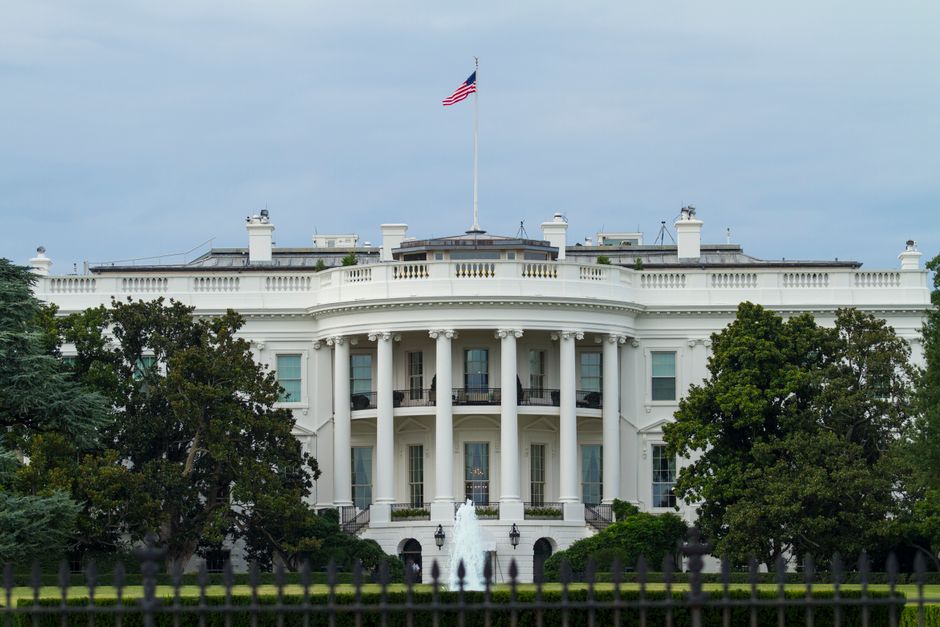
Come Monday morning, the ripple effect of this potential departure will undoubtedly be felt. Internally, the department faces another period of uncertainty and adaptation, potentially stalling policy initiatives or re-prioritizing existing objectives. Externally, the constant churn at senior levels can erode public confidence, fostering a perception of an administration struggling with internal coherence and consistent direction. Investors, allies, and adversaries alike will be watching, dissecting every subsequent move for clues about the administration’s stability and its capacity to execute its agenda. The White House, once again, finds itself in a reactive posture, managing the fallout of a leak rather than steering its own narrative.
Source: OnTheRecord