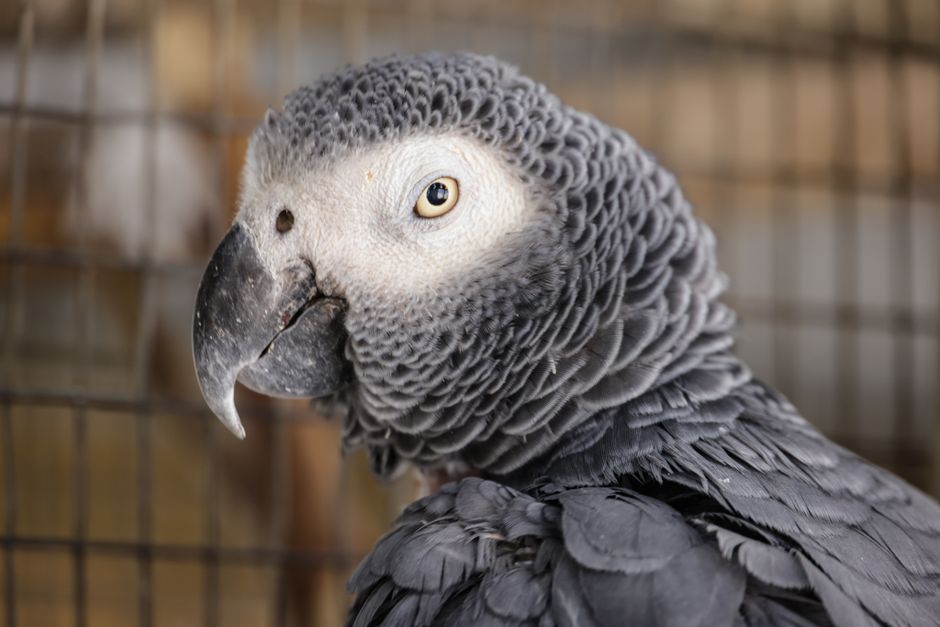
Are we truly surprised when wildlife crime takes such a brazen, almost absurd turn on South African soil? It seems the only constant in the fight against illegal wildlife trade is the traffickers’ relentless ingenuity, even when it comes to smuggling fragile, highly valuable parrot eggs.
According to The Guardian World, South African police recently arrested two Thai nationals in separate incidents at OR Tambo International Airport. They were allegedly attempting to smuggle endangered parrot eggs out of the country, carrying them in homemade incubators, as authorities strive to halt wildlife trafficking.
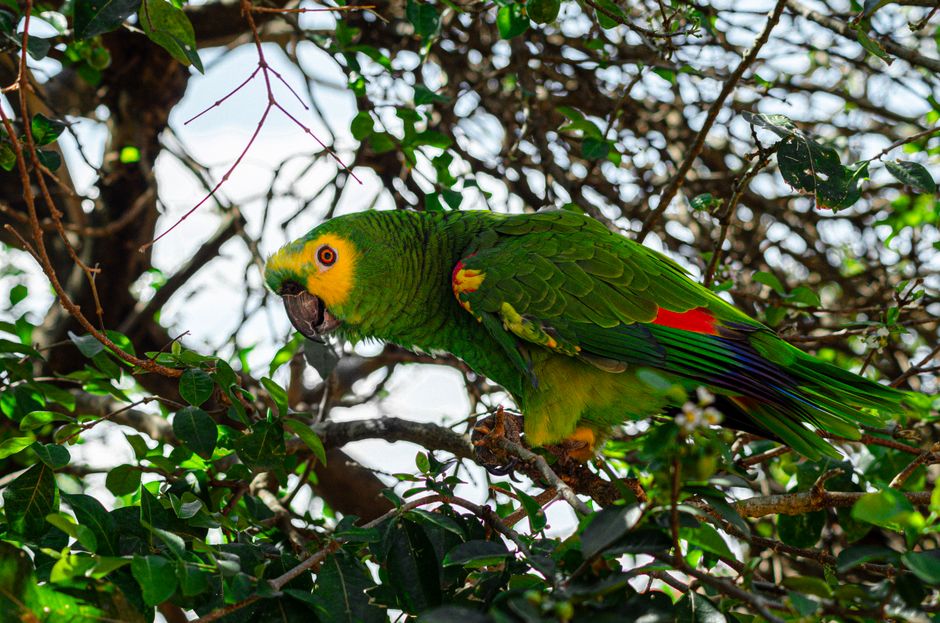
South African Wildlife Trafficking: A Gateway to Global Crime
This isn’t just about a few bird eggs; it’s a stark reminder of the sheer audacity and sophisticated planning behind global wildlife trafficking. South Africa, with its incredible biodiversity, unfortunately finds itself on the front lines, often serving as both a source and a transit point for illicit goods. The fact that traffickers are now attempting to move *eggs* rather than adult birds speaks volumes. It signifies a deeper play: the aim isn’t just to sell a single animal, but to establish breeding populations in destination countries, effectively creating a laundered supply chain that bypasses the obvious risks of adult animal transport.
This strategic shift means the stakes are higher than ever for conservationists and law enforcement. The demand for exotic pets, particularly rare parrots, is insatiable in parts of Asia, driving a multi-billion dollar illicit industry. For years, the world has focused on rhino horn and ivory, but the trade in live animals, their parts, and increasingly, their viable eggs, represents an equally destructive threat to ecosystems and species survival. The arrests by South African authorities, while commendable, are merely pinpricks against a well-funded, interconnected criminal network that operates with ruthless efficiency.
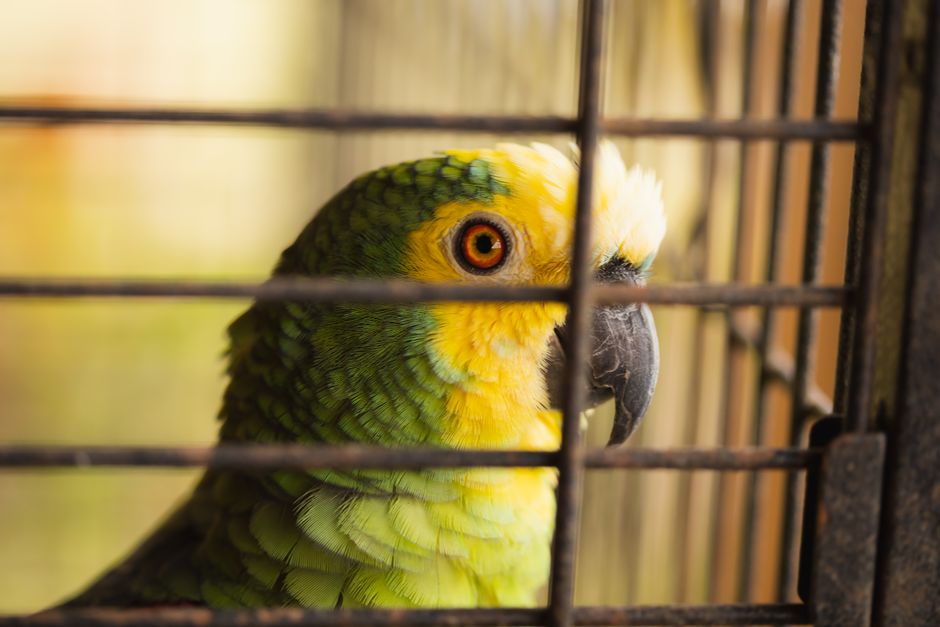
The Dark Ingenuity of Demand
The image of “homemade incubators” is particularly chilling. It highlights not just the value these eggs represent to the traffickers, but also their chilling dedication to their illegal enterprise. This isn’t a spur-of-the-moment decision; it’s calculated, meticulously planned, and executed with a disturbing level of professionalism. The individuals arrested are likely just cogs in a much larger machine, exploiting lucrative markets where rare birds can fetch astronomical prices. On one hand, the arrests show that airport security and intelligence are improving, catching those daring enough to walk through a major international hub with such contraband. On the other hand, it makes one wonder how many similar attempts go undetected, how many precious eggs slip through the net.
The true losers here are the endangered parrot species, pushed closer to extinction, and the legitimate conservation efforts worldwide. The South African government and its partners are fighting an uphill battle against an opponent that adapts quickly, finding new methods and new routes. We often talk about demand reduction in destination countries, but clearly, the allure of owning rare and exotic birds continues to fuel this destructive trade. These incidents, though seemingly small, underscore the global nature of wildlife crime and the urgent need for international cooperation that extends far beyond border patrols.
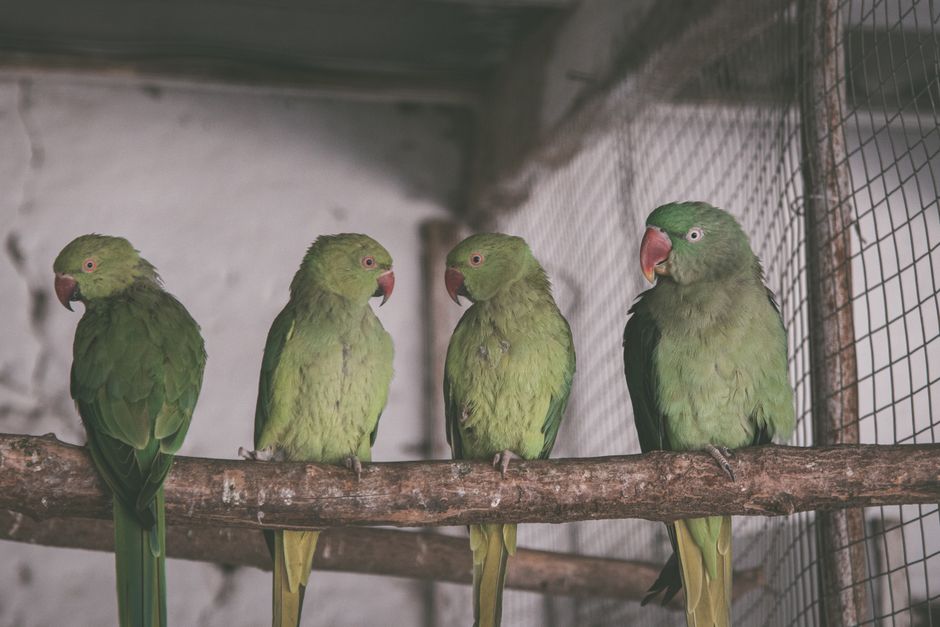
These arrests serve as a critical, if uncomfortable, precursor to what will undoubtedly be ongoing challenges in the week ahead for law enforcement and conservation. Until the global demand for endangered species products is decisively curtailed, how many more animals, or their unborn young, will become commodities in this shadowy, ruthless market?
Source: Guardian World