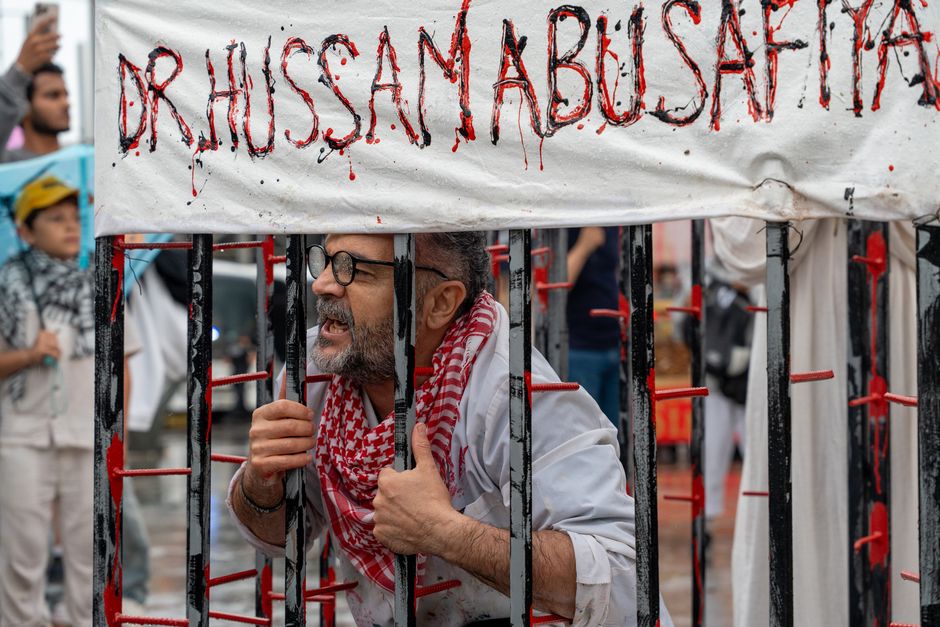
True justice is a concept often invoked, rarely delivered, and almost never straightforward. For years, the world has watched the agonizing unraveling of *Syria*, a nation scarred beyond recognition. Now, a court has finally rendered a verdict against a man who stood at the spiritual heart of the Assad regime, raising uncomfortable questions about accountability and the long shadow of conflict.
According to the BBC Middle East, Ahmed Hassoun, who served as Syria’s grand mufti under President Bashar al-Assad, has been sentenced to life in prison. He was convicted of severe crimes, including inciting civil war and complicity in intentional killing. This verdict, delivered by a court outside Syria, marks a significant moment in the ongoing, complex narrative of the region’s devastating conflict.
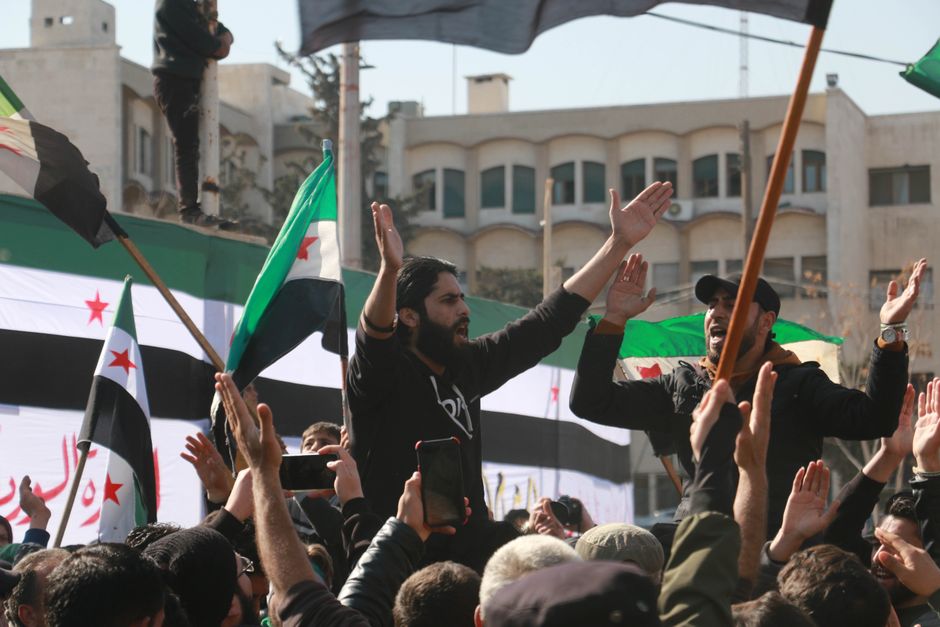
The Long Arm of Accountability for Syria’s Past
Ahmed Hassoun was no ordinary cleric; he was the spiritual mouthpiece for a brutal regime. As the Grand Mufti, the highest Sunni religious authority in Syria, his pronouncements carried immense weight, particularly among a populace deeply rooted in religious tradition. He was handpicked by Bashar al-Assad, and in return, he provided religious legitimacy to the regime’s actions, even as the country descended into unimaginable violence. His role was crucial in framing dissent as heresy and solidifying the narrative that opposition to Assad was an attack on Islam itself.
This conviction, occurring years after the peak of the Syrian civil war, forces a reckoning with how long justice can truly be delayed. It underscores the profound international desire to hold perpetrators accountable, even when the immediate prospects for justice within *Syria* remain dim. The decision to prosecute such a high-profile figure, albeit from a court outside Damascus, signals a persistent effort to confront the architects and enablers of the conflict. It also highlights the intricate challenges of prosecuting crimes committed during ongoing or recently concluded civil wars, where national legal systems are often compromised or non-existent for victims.
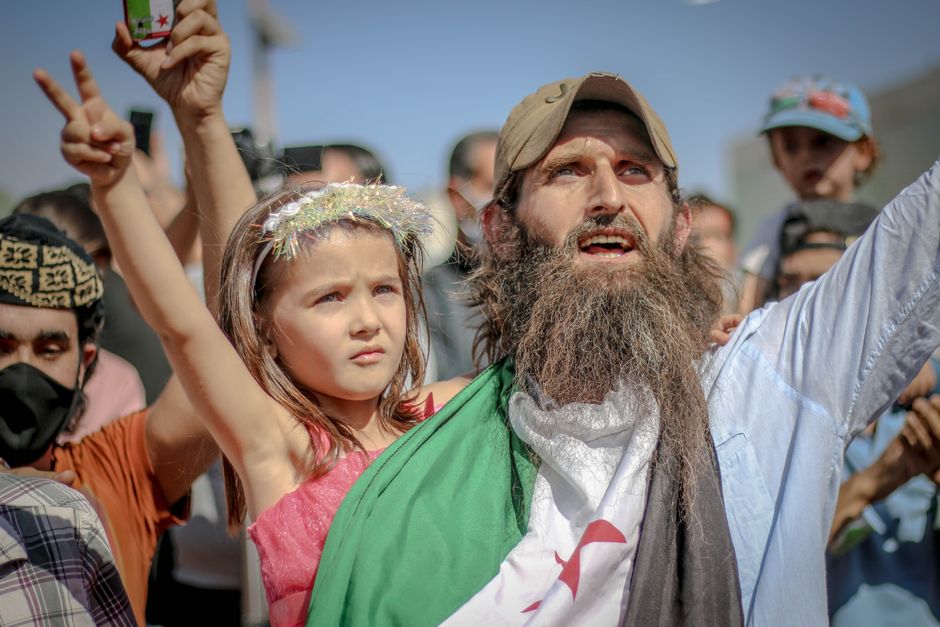
The timing also matters. As the world’s attention shifts to other geopolitical hotspots, this verdict serves as a stark reminder of the unfinished business in Syria. It speaks to the millions of displaced Syrians, many of whom have lost everything, and for whom the pursuit of justice remains a distant, yet burning, hope. Hassoun’s conviction is a piece of that puzzle, a symbolic victory for those who have tirelessly documented atrocities and sought redress for unspeakable crimes.
A Political Verdict or True Justice?
This verdict against a former Grand Mufti raises critical questions about the nature of justice in post-conflict scenarios. Is it a genuine step towards reconciliation and accountability, or is it a politically convenient prosecution aimed at shoring up narratives against the Assad regime from afar? While the charges of inciting civil war and complicity in intentional killing are profoundly serious, the practical impact of this conviction on the ground in Syria remains negligible. Hassoun is unlikely to serve his sentence within Syria, and the Assad government will almost certainly dismiss the ruling as illegitimate.
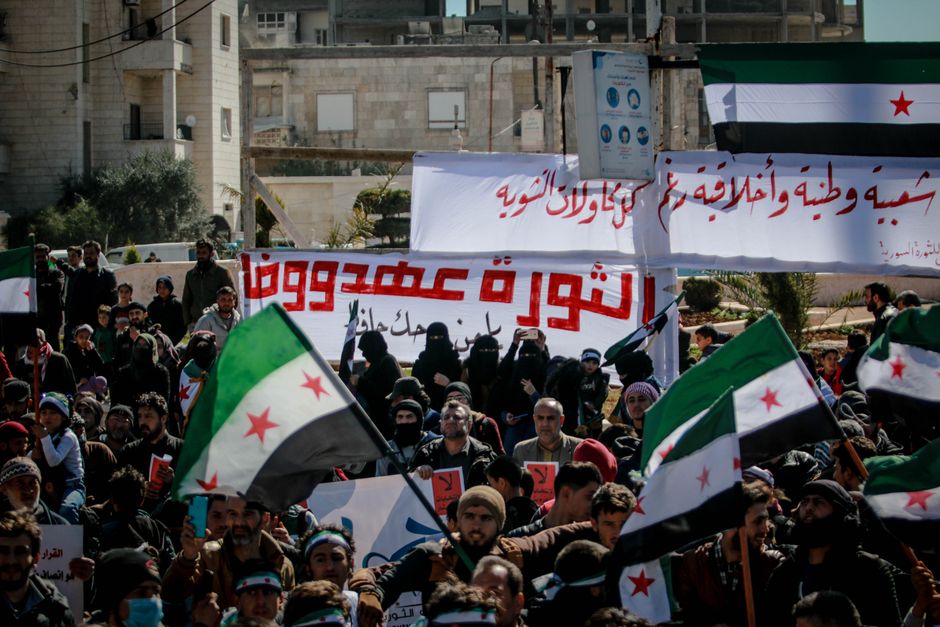
However, dismissing it entirely would be a mistake. This conviction, regardless of its immediate enforceability, carries significant symbolic weight. It offers a degree of vindication for the victims and survivors who have long watched figures like Hassoun operate with impunity. It also sends a clear message that complicity, even from a religious or moral authority, will eventually face scrutiny, however slow that process may be. The international community, through such judicial actions, continually asserts that some crimes transcend national borders and political expediency.
On the other hand, critics might argue that focusing on a figure like Hassoun, while important, distracts from the systematic nature of the violence perpetrated by the state apparatus itself. While Hassoun was a significant enabler, he was not the sole architect of the atrocities. Nevertheless, his conviction is a powerful indictment of those who twisted religious doctrine to justify mass violence and division. It spotlights the corrosive influence of religious figures who choose to align themselves with oppressive power, sacrificing moral authority for political gain. This case highlights an uncomfortable truth: spiritual leaders are not immune from accountability when their words fuel bloodshed.
The path to genuine justice in Syria is still fraught with obstacles, but every verdict, every documented crime, slowly chips away at the wall of impunity. This latest development underscores the long-term commitment of some international actors to ensure that, eventually, those who enabled and perpetrated unimaginable suffering will face consequences. It remains a testament to the enduring hope that even in the darkest corners of conflict, the pursuit of truth and accountability will not be extinguished. The question now is not just who will be next, but how many more will be allowed to evade the scales of justice before Syria can truly begin to heal.
Source: BBC Middle East