
Let’s be brutally honest: does anyone truly believe the perpetually embattled Royal Mail is turning a corner? The latest news offers little comfort, confirming what millions already suspected. The company continues to miss crucial delivery targets, yet somehow, management still finds “encouraging signs” in the wreckage.
According to BBC Business, the struggling firm reported improved performance but failed to meet the delivery standards set by the regulator. This isn’t a one-off blip; it’s a recurring nightmare for a service once considered a bedrock of British life.
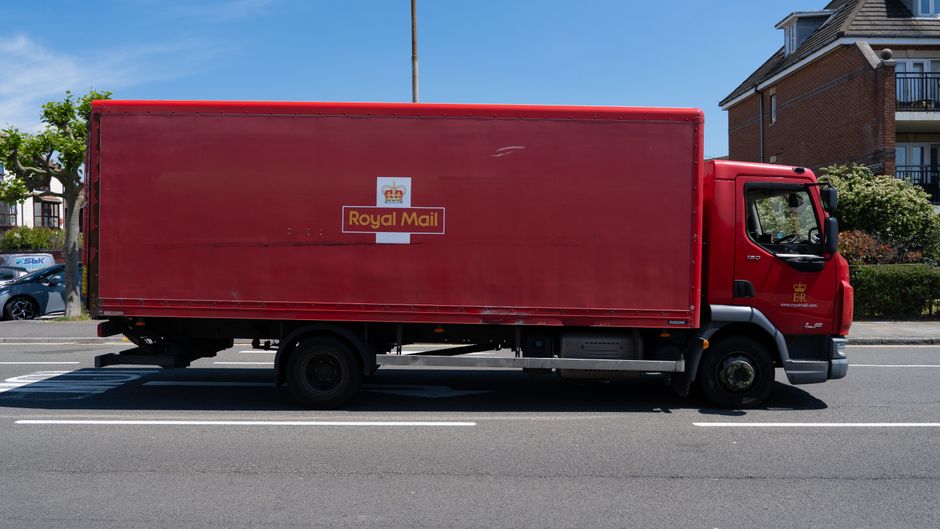
The Lingering Stain on Royal Mail’s Reputation
This isn’t just about a few late letters; it’s a symptom of a far deeper malaise gripping a national institution. The “struggling firm” label isn’t new, of course. For years, Royal Mail has been caught in a relentless vise, squeezed by evolving consumer demands, fierce competition from agile parcel services, and persistent industrial disputes that have frayed public trust to breaking point. The regulator, Ofcom, sets these targets not as arbitrary hurdles but as essential benchmarks for a universal service provider. When they’re missed repeatedly, it signals a fundamental breakdown in operational efficiency and, more worryingly, a failure to meet basic obligations to the public.
The players in this ongoing drama are many: the company’s leadership, tasked with balancing shareholder expectations with public service; the dedicated postal workers, often caught in the crossfire of cost-cutting and unrealistic demands; and, crucially, every household and business across the UK that relies on a dependable postal service. Small businesses, in particular, bear the brunt, with delayed invoices or vital product shipments directly impacting their bottom line. As we look ahead to Monday’s market opening, expect investors to scrutinize these figures, even as politicians face renewed calls to address the crumbling infrastructure of what should be a vital utility. The question isn’t just *if* Royal Mail can hit its targets, but *why* it continually struggles to do so, year after year.
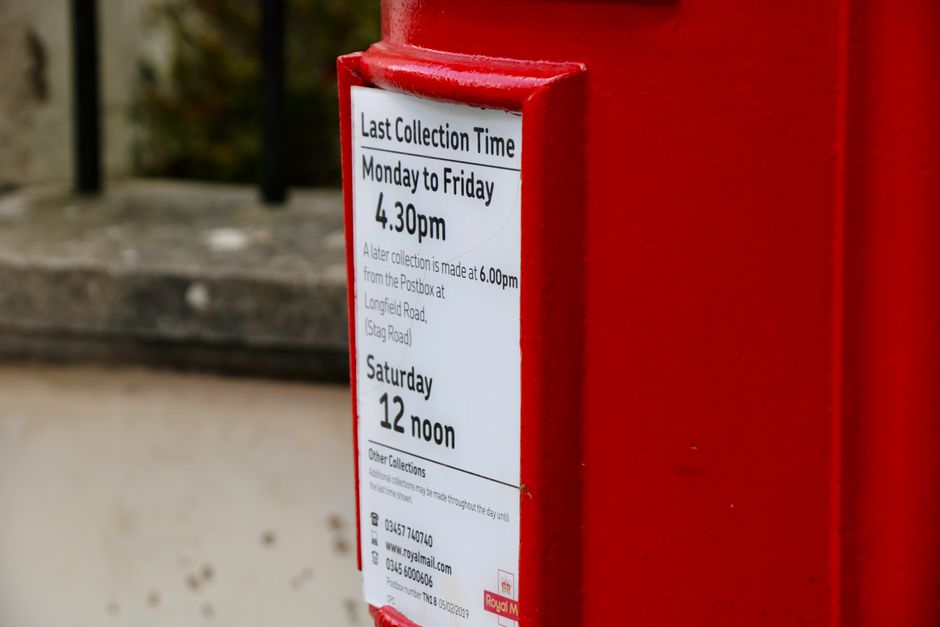
Corporate Spin vs. The Hard Reality of Missed Targets
The “encouraging signs” mentioned by Royal Mail’s leadership feel less like genuine progress and more like a desperate attempt at corporate spin. How encouraging can performance truly be when you’re still falling short of the fundamental standards you’re legally bound to meet? This narrative conveniently glosses over the tangible impact on ordinary people. Who wins in this scenario? Perhaps the executives who can point to *some* improvement, however marginal, to appease a demanding board. But who loses? The public, undoubtedly, facing the frustration of delayed prescriptions, forgotten birthday cards, and critical business documents arriving too late. Small businesses, in particular, are caught in this crossfire, their reputations and revenues directly impacted by an unreliable service.
The mainstream narrative often focuses on the challenges Royal Mail faces – and they are significant, from declining letter volumes to the sheer logistics of a nationwide network. However, what often gets overlooked is the persistent failure to adapt decisively. Other postal services globally have innovated, diversified, and maintained higher standards. Why does Royal Mail consistently lag? Is it an inherent flaw in the post-privatisation model, prioritising profit over service? Or is it a deeper issue of leadership unable or unwilling to make the radical changes needed to modernise for the 21st century? A reliable postal service isn’t a luxury; it’s an essential component of a functioning economy and society. The continued inability of Royal Mail to deliver on its promises undermines this fundamental pillar, eroding public trust piece by painful piece. Frankly, simply “improving” while still failing isn’t an achievement; it’s just a less catastrophic failure.

The week ahead will undoubtedly bring more hand-wringing and perhaps another round of vague promises. But for millions of Britons, the proof isn’t in the carefully worded press releases; it’s in the letterbox. Until Royal Mail truly delivers, rather than just reports slight improvements on chronic underperformance, we should all remain deeply sceptical of any claims of recovery. The question isn’t whether they’re getting *better* at failing, but when they’ll finally start succeeding.
Source: BBC Business