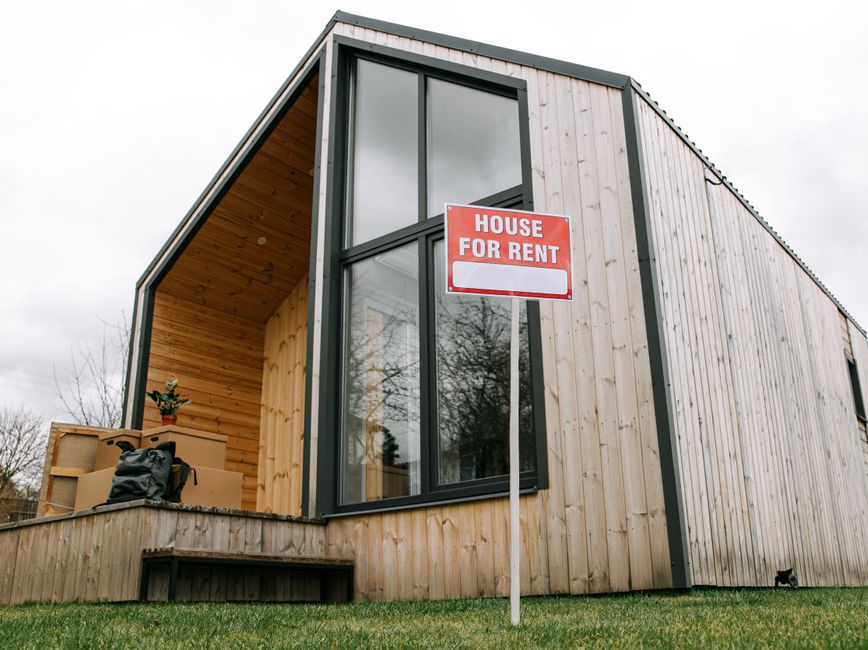
The current housing debate is so often framed by desperation that to challenge its very premise, as this *Sunday Summary* piece apparently attempts, is a bold, if not entirely convincing, maneuver.
The article in question, published by the *Commercial Observer*, makes a rather provocative statement with its title: “The Rent is Too Damn Low!” This headline, a direct inversion of Jimmy McMillan’s indelible 2010 gubernatorial campaign slogan, suggests an economic perspective far removed from the daily struggles of most urban dwellers. McMillan, a perennial political fixture, built his platform and his “The Rent is Too Damn High Party” on the simple, visceral truth that housing costs were, and largely remain, punitive. To suggest the opposite, then, isn’t just contrarian; it’s an intellectual tightrope walk over a chasm of public sentiment.
This “Sunday Summary” appears to position itself as a necessary corrective, perhaps from the perspective of property owners, developers, or a particularly niche school of economics. It arrives at a time when housing affordability continues to dominate headlines, fuel protests, and shape local elections across the nation. The political context is ripe for a serious discussion about the underlying economics of housing, but the chosen framing ensures a certain level of immediate, almost performative, pushback.
What landed
To its credit, the *Sunday Summary* likely aims to inject a dose of realism, albeit a rather uncomfortable one for many, into the rent conversation. The premise that “the rent is too damn low” can only logically proceed from a position that considers the costs borne by landlords and developers. One might infer, therefore, that the column attempts to highlight the spiraling expenses associated with property ownership and maintenance. It would likely point to rising property taxes, escalating material and labor costs for construction and repairs, and the increasing regulatory burden that often accompanies urban development.

Furthermore, a piece taking this stance would probably argue that inadequate rental income stifles new construction and investment. The implication being that if returns aren’t sufficiently attractive, developers simply won’t build, exacerbating the supply shortage that *everyone* agrees contributes to high housing costs. There’s a certain unassailable logic to the idea that businesses need to turn a profit to operate, and in a market economy, that profit incentivizes growth. The *Sunday Summary* might also touch upon the difficulty of attracting capital for large-scale housing projects when projected rental yields are perceived as too slim to justify the risk. It’s an argument that, shorn of its provocative headline, often features in industry discussions about housing supply.
What doesn’t add up
The headline, however, immediately sets up a stark contradiction with the lived experience of millions, and indeed, with the very political meme it subverts. Jimmy McMillan’s platform resonated because it articulated a widespread grievance. To then pivot and suggest the opposite without a truly seismic shift in economic reality feels less like a revelatory insight and more like a deliberate provocation. The piece, by its very nature, appears to gloss over the fundamental imbalance of power and information between landlords and tenants, or the stagnant wage growth that makes even “low” rents feel impossibly high for many.

One must question what the *Sunday Summary* defines as “too damn low.” Is it low relative to operating costs? Low relative to historical investment returns? Or low relative to what the market *could* bear if not for rent control or other tenant protections? The absence of a clear, universally accepted metric for “fair” rent leaves ample room for skepticism. Moreover, if rents are genuinely “too low” from a developer’s perspective, why are so many properties still commanding eye-watering prices, and why are cities still grappling with displacement and homelessness? The column’s thesis, while perhaps technically defensible in some abstract economic models, seems to exist in a vacuum, detached from the social and human cost of housing in the real world. It’s difficult to encourage a perspective that, however well-intentioned in its economic theorizing, appears to ignore the foundational issues of affordability and equity.
What changes Monday morning after a piece like this? Probably not the rent itself, for better or worse. Instead, it likely entrenches existing divides, providing talking points for those who view housing primarily as an investment vehicle and further exasperating those who see it as a fundamental right. It’s a guaranteed conversation starter, no doubt, but one that may generate more heat than light in the ongoing, urgent debate over the nation’s housing crisis.
Source: OnTheRecord