For the People of Britain, Friday evening’s unexpected digital shriek was less a harbinger of doom and more a jarring reminder that even the most well-intentioned public safety campaigns can, if mishandled, pave the road directly to chaos.
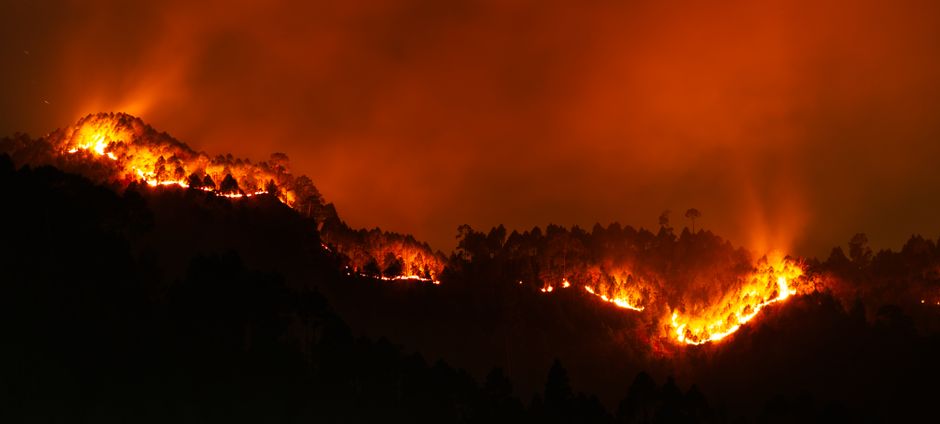
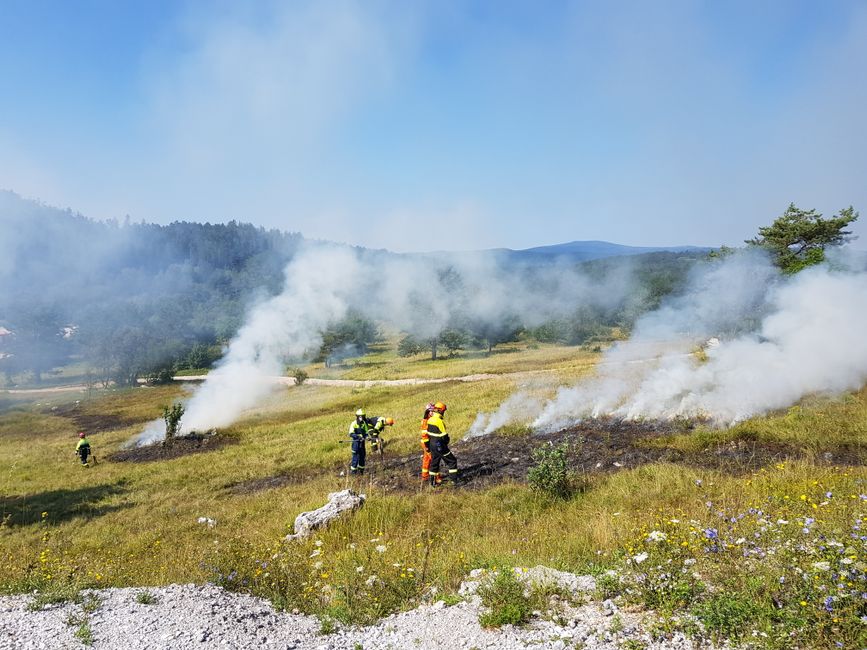
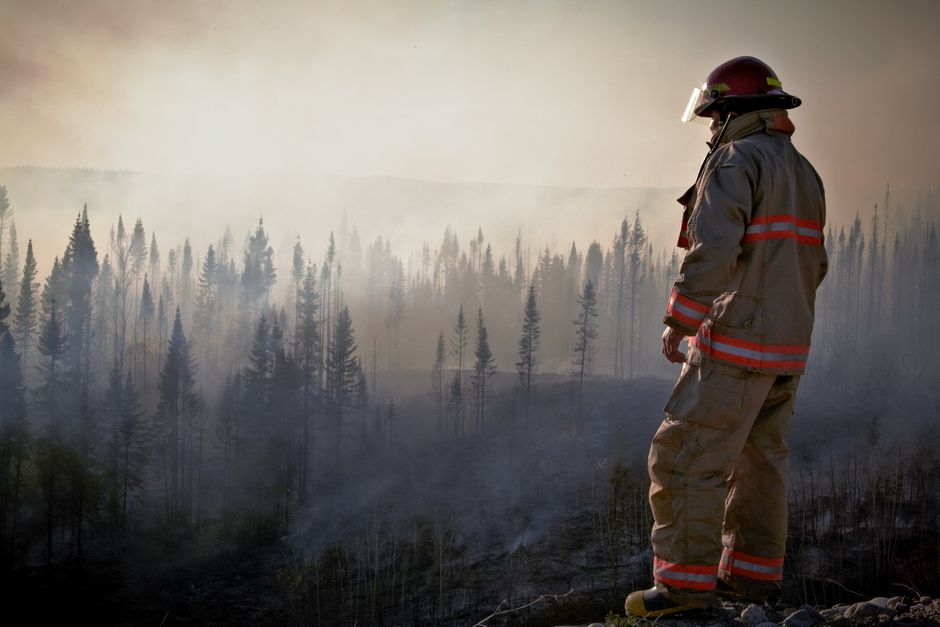
Across the country, millions of mobile phones simultaneously erupted at 7 pm, broadcasting a stern warning against lighting anything that might spark a wildfire. The message, delivered with an urgency usually reserved for impending national catastrophes, was clear: put down that barbecue, for the nation’s dry tinderboxes demand vigilance. But the immediate aftermath was less about environmental protection and more about unexpected public service resource strain. Emergency services, particularly 999, quickly found themselves swamped with calls, seemingly from a populace more bewildered than informed.
The political fallout was swift and predictably partisan. Opposition figures, notably the Tories in this instance, were quick to accuse the Prime Minister of “prime ministerial posturing,” suggesting the alert was more about projecting an image of decisive leadership than genuinely safeguarding the public. Meanwhile, Greater Manchester Mayor Andy Burnham cut through the noise with a sharp observation, cautioning that if such alerts continue to be deployed for less critical issues, “People will ignore it in a real emergency.” His point resonates with an uncomfortable truth about the boy who cried wolf.
What landed
Despite the undeniable muddle, credit must be given for the underlying commitment to public safety. Wildfires are a genuine and growing threat, exacerbated by increasingly dry summers. The intent to leverage modern technology to reach a vast audience directly and instantaneously with critical information is, in theory, commendable. The alert system itself, designed to bypass traditional media and reach citizens directly, demonstrated its formidable reach. It certainly captured the nation’s attention, perhaps more effectively than any previous public information campaign, albeit for reasons the government likely hadn’t entirely intended.
Indeed, the sheer volume of calls to 999, while problematic, also speaks to a populace that, for better or worse, engaged with the alert. It shows a responsiveness that, if properly channeled, could be a powerful asset in genuine crises. There’s a wry lesson here about the power of direct communication: tell *People* something directly, and they will react. The challenge, of course, is ensuring that reaction is productive, not panicked.
Andy Burnham’s critique, however, landed with particular force, offering a crucial insight into the psychological contract between the state and its citizens regarding emergency alerts. His warning that frivolous or poorly contextualized alerts risk eroding public trust and responsiveness is not merely political point-scoring; it’s a fundamental principle of effective crisis communication. For an alert system to be truly effective, it must be perceived as a reliable messenger of genuinely urgent information. When a national emergency system is deployed to warn against grilling sausages, it inevitably raises questions about the definition of “emergency.”
What doesn’t add up
Where this episode truly falters is in its execution and the glaring disconnect between the system’s intended gravity and its application. Why, precisely, did a wildfire warning primarily focused on barbecue safety merit a national, sudden, 7 pm Friday night activation of an emergency alert system? This timing, often associated with relaxation and social gatherings, seems almost designed to maximize disruption and confusion rather than sober reflection. It invites skepticism about the underlying rationale.
The accusation of “prime ministerial posturing” gains traction when one considers the disproportionate nature of the alert. While wildfire prevention is important, deploying a national, intrusive alert without clear guidance on appropriate public response — or, crucially, *inappropriate* public response like calling 999 for clarification — suggests a significant oversight. If the system is truly for emergencies, then its activation should be accompanied by robust public information campaigns detailing its purpose and how *People* should react, or, more importantly, *not* react by swamping emergency lines.
The chaotic response, specifically the inundation of 999, points to a profound gap in the government’s understanding of how its own tool would be perceived and acted upon. It either underestimated the public’s propensity to seek immediate clarification from the most accessible emergency number or simply failed to adequately prepare for such an outcome. This omission is not just a logistical blunder; it’s a credibility gap. If a system designed for the gravest of warnings causes operational chaos in a non-grave scenario, what does that say about its readiness for a truly critical event?
Monday morning dawns with a fresh set of questions for Downing Street. Will the public trust the next siren call from their phone, or will it be dismissed as another BBQ-related kerfuffle? The stakes are high: eroding confidence in a vital emergency communication channel could have dire consequences when a genuine, unquestionable crisis finally demands the nation’s undivided, and unconfused, attention.
Source: OnTheRecord