
Monty Roberts, the man who revolutionized the way we think about horse training, has left an indelible mark on the world of equine care. His untimely passing at 91 has sent shockwaves through the community, with many remembering him as a pioneer who dared to challenge conventional methods. According to NPR Science, Roberts defied the traditional approach of “breaking” horses and instead developed a gentler technique based on understanding their non-verbal language. This approach, which emphasized trust and cooperation, has inspired countless horse owners and trainers around the world to rethink their relationships with these majestic animals.
As a renowned horseman, Monty Roberts spent his life studying the behavior of horses and developing innovative methods for communicating with them. According to his own accounts, he was motivated by a desire to create a more humane and effective way of training horses, one that would prioritize their well-being and dignity. Reuters reports that his approach was met with skepticism by some in the horse training community, but his results spoke for themselves: horses trained using his methods were consistently more calm, focused, and responsive to their riders.
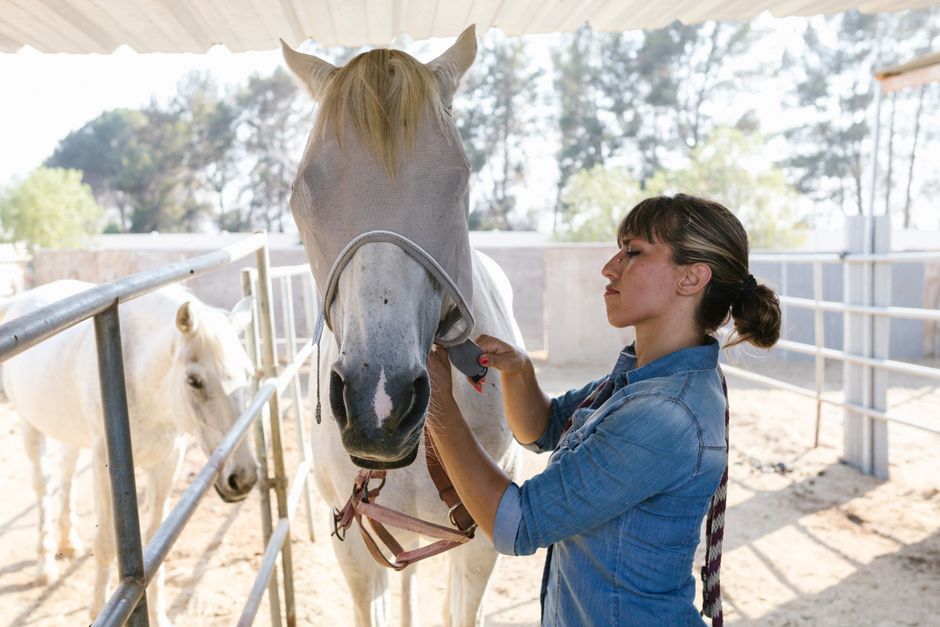
The Legacy of Monty Roberts: A New Era in Horse Training
The impact of Monty Roberts’ work cannot be overstated. By introducing a more compassionate and gentle approach to horse training, he helped to shift the cultural narrative around human-animal relationships. His methods, which emphasized the importance of trust, respect, and clear communication, have been adopted by horse owners and trainers all over the world. As a result, the horse training industry has undergone a significant transformation, with many professionals now prioritizing the welfare and well-being of their equine partners. Monty Roberts’ legacy serves as a powerful reminder that even in the most traditional and entrenched industries, innovation and progress are always possible.
However, Monty Roberts’ approach was not without its critics. Some argued that his methods were too soft, and that horses needed to be “broken” in order to be truly obedient. Others questioned the scientific basis for his approach, arguing that it was more intuitive than evidence-based. Despite these criticisms, Monty Roberts remained committed to his vision, and his results continued to speak for themselves. As he spoke with Fresh Air in 1997, it was clear that he was driven by a deep passion for horses and a desire to create a more harmonious and respectful relationship between humans and animals.
The Science Behind Monty Roberts’ Approach
At the heart of Monty Roberts’ method was a profound understanding of horse behavior and psychology. By studying the non-verbal language of horses, he was able to develop a system of communication that was based on mutual respect and trust. This approach, which he termed “join-up,” allowed horses to voluntarily choose to follow their human partners, rather than being forced or coerced into compliance. As a result, horses trained using Monty Roberts’ method were consistently more calm and focused, with a deeper sense of connection and partnership with their riders. Monty Roberts’ work has inspired a new generation of horse trainers and owners to think more critically about the way they interact with their equine partners, and to prioritize their welfare and well-being above all else.
In fact, the impact of Monty Roberts’ work extends far beyond the horse training community. His emphasis on trust, respect, and clear communication has inspired people from all walks of life to rethink their relationships with animals and with each other. As we reflect on his legacy, it is clear that Monty Roberts was more than just a horse trainer: he was a visionary who helped to create a more compassionate and harmonious world. His passing is a reminder that even the most influential and innovative thinkers can leave a lasting impact on the world, and that their work can continue to inspire and motivate others long after they are gone.

Meanwhile, as we look to the future of horse training and care, it is clear that Monty Roberts’ legacy will continue to play a major role. His approach, which has been adopted by countless horse owners and trainers around the world, has helped to create a more humane and compassionate industry. As we continue to learn more about the behavior and psychology of horses, it is likely that Monty Roberts’ methods will continue to evolve and adapt, incorporating new insights and discoveries into his approach. However, the core principles of his method – trust, respect, and clear communication – will remain at the heart of his legacy, inspiring future generations of horse trainers and owners to prioritize the welfare and well-being of their equine partners.
As a result, the world of horse training will never be the same. Monty Roberts’ innovative approach has created a new standard for the industry, one that prioritizes the welfare and dignity of horses above all else. As we remember his life and legacy, it is clear that he was a true pioneer, a man who dared to challenge conventional wisdom and create a more compassionate and harmonious world. Monty Roberts may be gone, but his legacy will live on, inspiring countless people around the world to rethink their relationships with animals and with each other. And as we look to the future, it is clear that his impact will only continue to grow, a reminder that even the most innovative and influential thinkers can leave a lasting mark on the world.

In the end, Monty Roberts’ legacy is a testament to the power of compassion, respect, and clear communication. His approach, which has inspired countless people around the world, serves as a reminder that even in the most traditional and entrenched industries, innovation and progress are always possible. As we reflect on his life and work, it is clear that Monty Roberts was a true visionary, a man who helped to create a more harmonious and respectful world, one horse at a time. And as we look to the future, it is clear that his legacy will continue to inspire and motivate others, a reminder that the impact of one person can be felt for generations to come. Monty Roberts may be gone, but his work will live on, a lasting testament to the power of trust, respect, and compassion.
Source: NPR Science