
In a landscape increasingly defined by digital fortresses and a public yearning for both safety and speed, *Mara Winn*, Vice President of Aviation at K2 Security Screening Group, offered Passenger Terminal Today a strategic glimpse into her company’s vision for the future of air travel security.
The interview caught the industry’s eye just as the post-pandemic travel surge continues to strain existing airport infrastructure. With passenger numbers soaring and security threats evolving, the pressure on private contractors like K2 to deliver cutting-edge, yet practical, solutions is immense. Winn’s conversation with Passenger Terminal Today served as a timely, albeit carefully curated, update on how K2 aims to navigate this turbulent confluence of technology, logistics, and public expectation. It was less an open dialogue and more a guided tour through K2’s strategic imperatives, framed to reassure stakeholders and prospective clients alike.
What landed
Mara Winn certainly painted a compelling picture of K2’s commitment to innovation. She highlighted the company’s push towards “integrated, intelligent screening solutions,” a phrase designed to conjure images of sleek, efficient checkpoints where technology handles the heavy lifting. Winn suggested that K2’s approach isn’t merely about detecting threats, but about fundamentally transforming the passenger journey, making it “less intrusive and more predictable.” This focus on the “passenger experience” is a smart rhetorical move, acknowledging widespread frustrations with current security protocols.
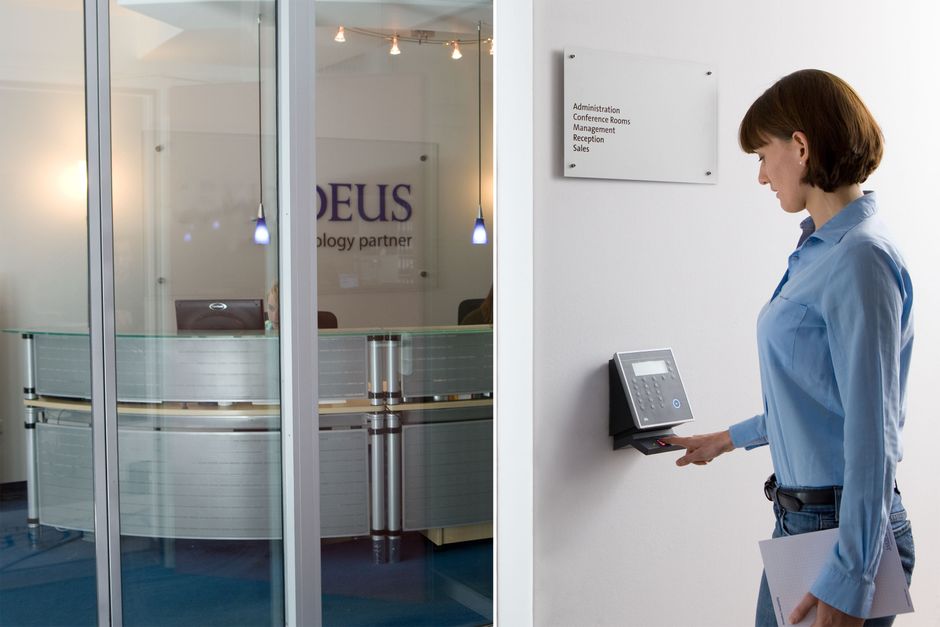
She emphasized K2’s investments in AI-driven threat detection and advanced biometric capabilities, positioning the company as a leader in leveraging data to enhance security without, she implied, bogging down operations. Winn’s commentary on the need for adaptable systems that can evolve with emerging threats was particularly salient. She seemed to acknowledge the dynamic nature of security challenges, stating that static solutions simply won’t suffice in an ever-changing risk environment. It’s a message that resonates with airports constantly battling to stay one step ahead.
What doesn’t add up
While Winn’s vision for a smoother, smarter security ecosystem was undoubtedly optimistic, the interview left a number of critical questions hovering in the air, much like a delayed flight. Her unwavering focus on a “frictionless” passenger journey, for instance, felt more like a marketing aspiration than a practical reality. The current airport experience, for most travelers, remains stubbornly analog, punctuated by queues, removal of footwear, and the occasional pat-down. To suggest K2’s technology alone can erase these physical realities felt like a significant leap of faith, glossing over the monumental logistical and human factors involved.
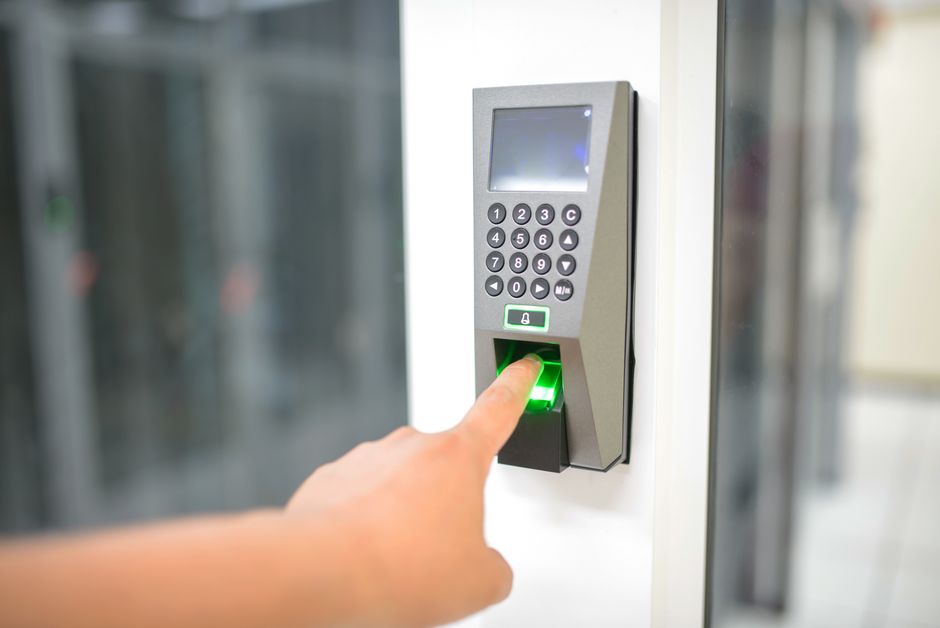
Furthermore, the discussion around “enhanced passenger experience” and “uncompromising security” presented a familiar tightrope walk without fully acknowledging the inherent tension between the two. How, precisely, does increased data collection and advanced biometric scanning truly feel *less* intrusive to a privacy-conscious traveler? Winn’s remarks seemed to suggest that efficiency inherently equates to a better experience, without deeply exploring the trade-offs in personal data or the potential for algorithmic bias in AI-driven systems. The interview was notably light on details regarding the ethical implications and robust oversight mechanisms for these powerful new technologies.

One also wonders about the elephant in the room: cost. While K2 is clearly investing heavily in R&D, the financial burden of implementing these “integrated, intelligent solutions” often falls to airports, and by extension, the traveling public. Winn touched on the long-term efficiencies, but a deeper dive into the immediate capital expenditure and operational costs, and how K2 balances its profit motives with public safety imperatives, was conspicuously absent. It was an interview designed to showcase K2’s technological prowess, certainly, but less so to unpack the broader economic and societal implications of privatized security innovation.
Come Monday morning, it’s unlikely that airport security lines will miraculously evaporate into a biometric breeze. However, Mara Winn’s interview effectively underscored the industry’s direction: more data, more automation, and a relentless pursuit of the “seamless” ideal. The challenge for airports and passengers alike will be to ensure that the march toward technological advancement doesn’t inadvertently sacrifice transparency, privacy, or the fundamental human element of trust.
Source: Google — Leader interviews