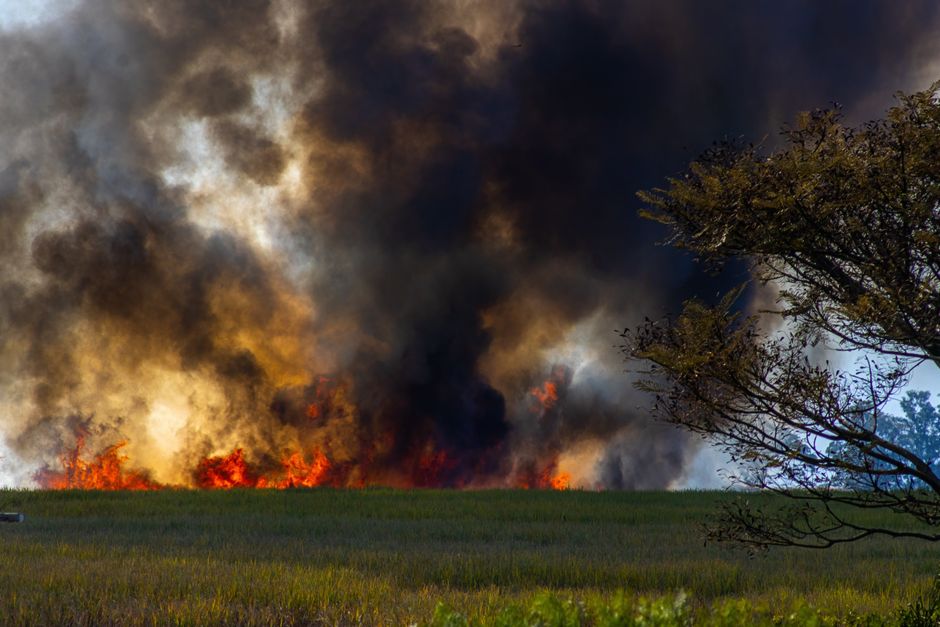
As thermometers strain and tempers fray across the nation, Prime Minister Andy Burnham has finally convened the emergency talks many have been calling for, putting a spotlight squarely on his administration’s readiness for the climate crisis.
The political thermostat hit boiling point this week, prompting Prime Minister Andy Burnham to summon an emergency Cobra committee meeting. The context is stark: another summer of unprecedented heat, straining infrastructure, public services, and the patience of a populace increasingly accustomed to climate-related disruptions. For a Prime Minister whose political brand often leans into a proactive, ‘straight-talking’ approach, the optics of an emergency huddle on an increasingly predictable phenomenon are, shall we say, intriguing. The nation, wilting under the oppressive sun, watches to see if this is genuine crisis management or merely a particularly well-attended photo opportunity.
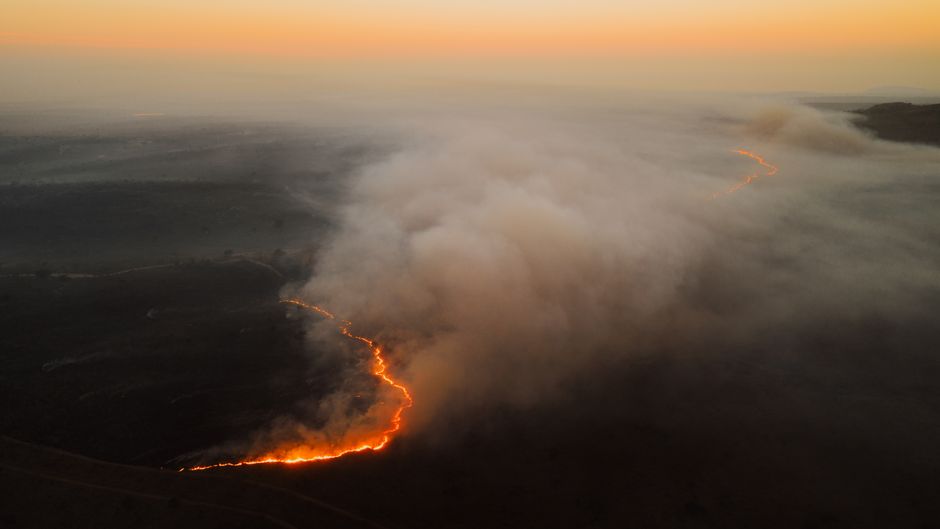
What landed
The mere act of calling a Cobra meeting on extreme heat, for starters, is a statement in itself. It’s an implicit, if belated, acknowledgement that the UK’s climate future isn’t merely a distant policy paper, but a present-day emergency demanding the highest level of governmental attention. For those who’ve long argued that climate adaptation needs to be elevated beyond departmental silos, Burnham’s decision to gather the national security, health, and infrastructure chiefs at the table certainly *looks* like a serious response.
The Prime Minister’s presence at the head of the table, as reported, conveys a sense of direct leadership, a willingness to grasp the nettle of a genuinely uncomfortable issue. It signals that this isn’t just about managing today’s headlines, but about coordinating a cross-governmental effort. The public, rightly anxious about the welfare of the vulnerable and the resilience of essential services, will have taken some measure of reassurance from the visibility of this high-level engagement. It puts the government on the record, so to speak, as being *on the case*, which, in a crisis, is often half the battle for public confidence. What tangible outcomes will emerge remains to be seen, but the intent to project competence and control is undeniably clear.
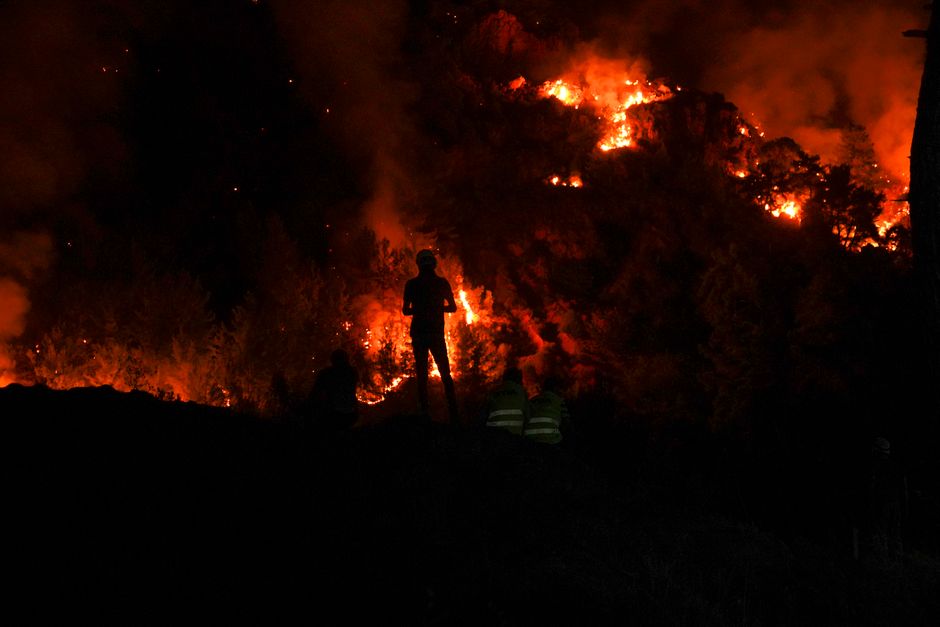
What doesn’t add up
While the sudden urgency of a Cobra meeting might suggest decisive leadership, one can’t help but wonder about the timing. Extreme heat, regrettably, is hardly a novel concept in recent British summers. The climate models have been shouting about this for years, and the mercury has been obliging with increasing regularity. So, the question that inevitably hangs in the air is: why *now*? Is this a moment of genuine foresight, or a reactive scramble, prompted more by public outcry and media pressure than by a proactive, long-term strategy?
The narrative of an “emergency” response to a foreseeable, recurring event feels a little like calling 999 because it’s started raining on a Tuesday. While the immediate crisis demands attention, the very need for such a high-level, reactive gathering points to a potential gap in the preceding months, if not years, of preparedness. One might recall previous administrations – or indeed, previous iterations of this government, perhaps even under a different PM Burnham – where the rhetoric around climate change often veered between grand pronouncements and incremental policy. The leap from that to an emergency Cobra meeting for extreme heat, while welcome, does highlight a certain elasticity in what constitutes a national crisis versus a predictable challenge. The danger here is that an emergency meeting, however well-intentioned, becomes a substitute for embedding resilience and adaptation into the everyday machinery of government, rather than a desperate measure when the thermometer shatters.
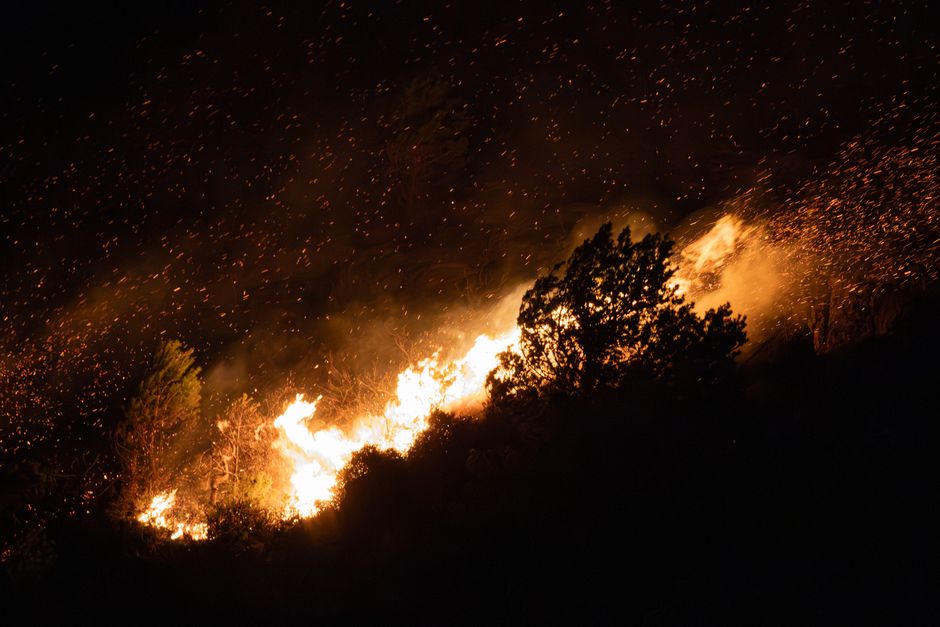
What also doesn’t quite add up is the focus solely on *response* when the issue demands proactive *prevention* and *adaptation*. A Cobra meeting, by its very nature, is about managing the immediate fallout. It is less about fundamentally retrofitting the nation’s housing stock, cooling its public transport, or redesigning its urban landscapes for a hotter future. The critical test for Prime Minister Andy Burnham, then, won’t be in the smooth running of this emergency committee, but in demonstrating how its output transitions from a short-term fire-fight to an enduring, comprehensive strategy that pre-empts the next heatwave, rather than just reacting to it.
Come Monday morning, the public will be looking for more than just the reassuring hum of bureaucratic activity. They’ll be expecting concrete measures, clearer guidance, and a tangible sense that this emergency meeting wasn’t merely political theatre, but the first act in a serious, sustained campaign to protect the nation from the increasingly relentless summer sun. The heat is on, in more ways than one.
Source: OnTheRecord