
What kind of darkness lurks in the human heart that it can orchestrate such horror? The conviction of four individuals for the unspeakable torture and murder of Tomasz Samel rips back the veil on a depravity few wish to acknowledge. This isn’t just a crime; it’s a chilling testament to the capacity for evil, committed by more than just a lone wolf, but by a collective.
According to BBC UK, Tomasz Samel was kidnapped, subjected to extreme violence, doused in petrol, and then set alight, leading to his death. This brutal sequence of events unfolded, culminating in a death that defies easy comprehension and leaves an indelible stain on the conscience.
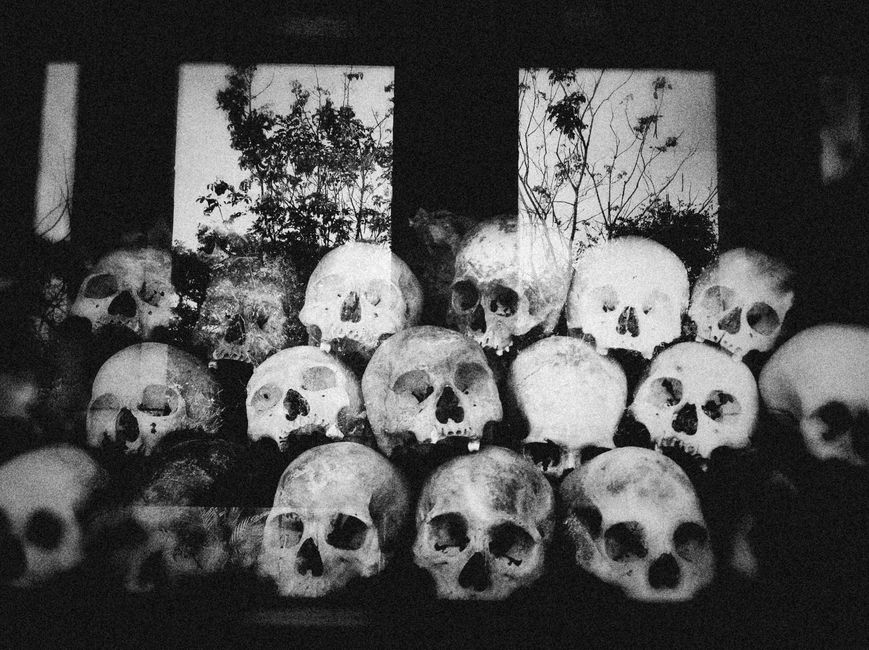
The Four and the Depths of Cruelty
This isn’t a mere act of violence; it’s a meticulously planned execution involving prolonged suffering. The details — kidnapping, violence, dousing in petrol, immolation — speak to a cold, calculated cruelty that goes far beyond a moment of rage. It forces us to confront the terrifying reality that such premeditated barbarity exists not in some distant warzone, but within our own communities, right here in the United Kingdom. Who were these four individuals, and what twisted logic drove them to commit such an atrocity? The convictions offer a legal closure, yet they leave an abyss of unanswered questions about the human psyche.
The sheer deliberateness involved in each step of Samel’s demise suggests a disturbing lack of empathy, a complete dehumanization of the victim. This wasn’t a quick, desperate act. It was a prolonged ordeal designed to inflict maximum terror and pain. Such acts are often associated with organized crime or extremist groups, yet here we see it in a domestic context, highlighting a disturbing undercurrent of malevolence that can emerge from unexpected corners of society. The fact that four people collaborated in this makes it even more unsettling; it implies a shared descent into depravity, a collective moral abandonment.
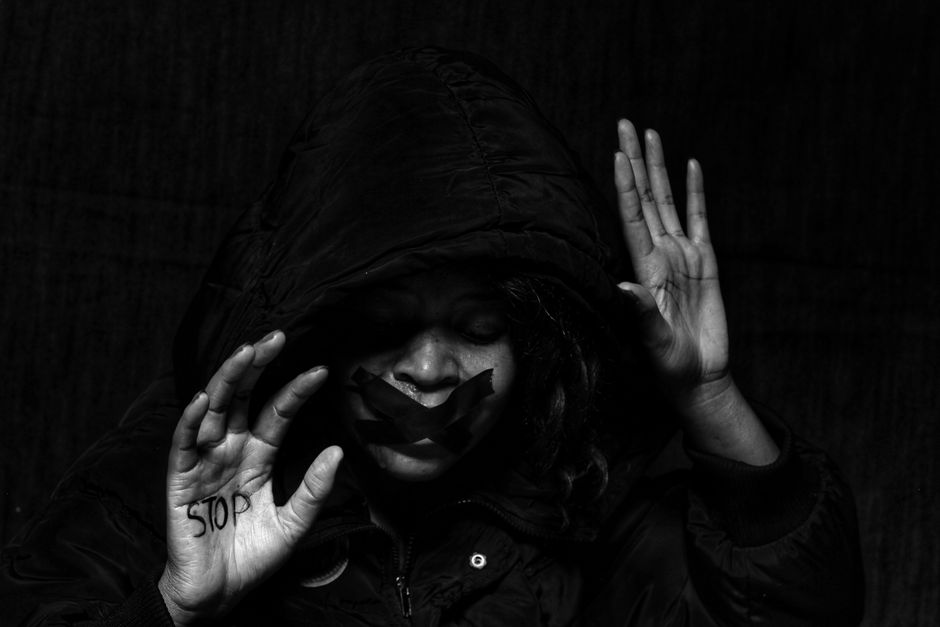
Beyond the Verdict: A Society’s Reckoning
While the convictions of these four perpetrators bring a measure of justice for Tomasz Samel, they do little to soothe the profound disquiet such a case instills. What does it say about a society when such extreme violence becomes not just possible, but orchestrated by multiple individuals? We often compartmentalize such acts, dismissing them as isolated incidents by “monsters.” However, this allows us to avoid a deeper, more uncomfortable reckoning. These “monsters” are not born in a vacuum; they grow within our social fabric.
The mainstream narrative will focus on the legal outcome, on the sentences served by the four. But the true hot take here is that simply locking up these individuals, however necessary, is not enough. It fails to address the societal fissures, the breakdown of community, or the propagation of a culture that can enable such extreme brutality. Are we asking enough questions about the warning signs, the slow erosion of empathy, or the environments where such malignant intentions fester and find common ground? The case of Tomasz Samel is a stark reminder that evil isn’t always grand or political; sometimes it’s chillingly intimate, perpetrated by those living next door.
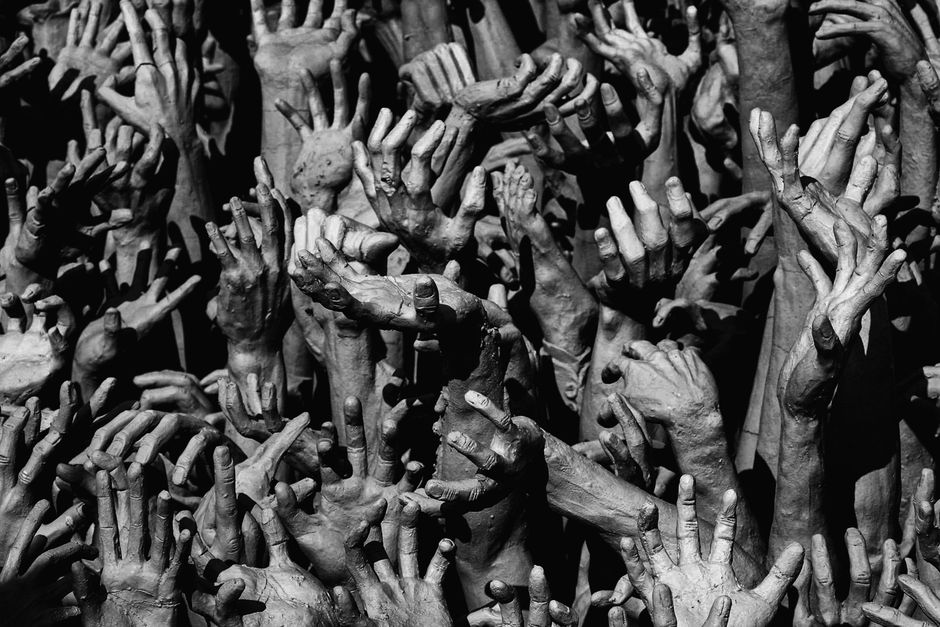
Justice, in this instance, is a legal term, not a balm for the soul. The truth is, the conviction of these four might close a case file, but it opens up a far more disturbing conversation about the darkness that can take root when humanity is stripped away, piece by agonizing piece. We must not look away from this horror, but rather confront what it reveals about the very edges of human cruelty.
Source: BBC UK