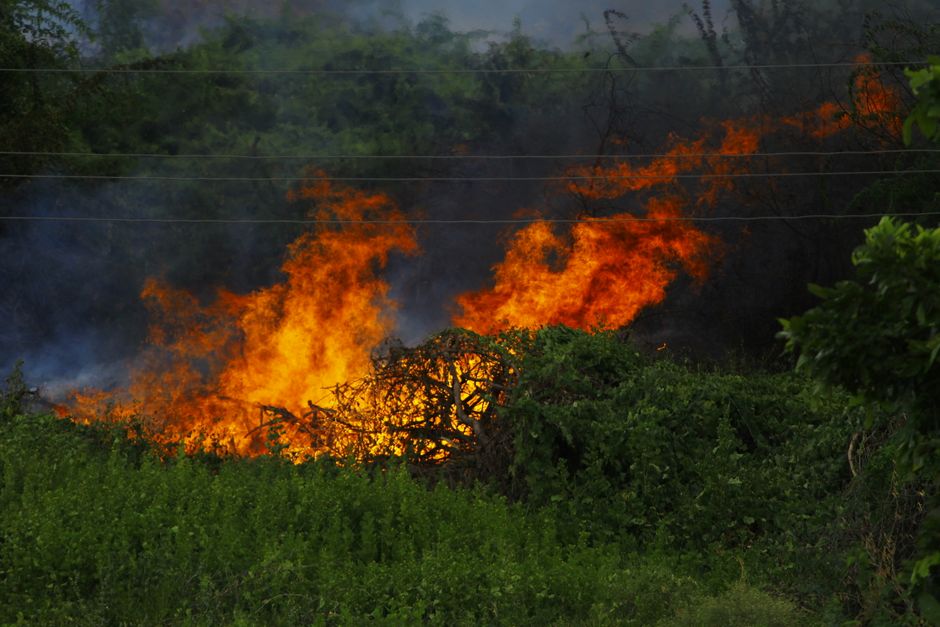
What does it mean when the battlefield extends beyond bombs and bullets, into the very landscape itself? When accusations emerge of environmental warfare, the lines blur, and the cost of conflict becomes truly immeasurable. This latest report, accusing **Israel** of deliberately sparking wildfires in southern Lebanon, paints a disturbing picture of tactics that threaten life far beyond the immediate target.
According to The Guardian, Lebanese firefighters are now alleging that Israeli forces are intentionally igniting wildfires across their southern border region. This isn’t just collateral damage; it’s an assertion of a calculated, destructive strategy.
The Burning Border: Context of Israel’s Actions
This specific accusation, if true, marks a grim escalation in an already volatile region. The southern Lebanese border has been a flashpoint for decades, a zone of constant tension and sporadic conflict between Israeli forces and various Lebanese factions, most notably Hezbollah. What we’re witnessing is not merely a military skirmish but a slow, grinding war of attrition that extends to the natural environment and civilian livelihoods.
The context here is crucial. Both sides frequently engage in cross-border shelling and drone strikes. Yet, using fire as a weapon introduces a new, insidious dimension. It doesn’t just destroy infrastructure; it devastates ecosystems, agricultural land, and the very air people breathe. This kind of systematic environmental damage can have long-lasting consequences, displacing communities and rendering areas uninhabitable long after the immediate fighting ceases. It forces people from their homes, not through direct force, but by making their homes unlivable.
This tactic, if proven, also serves a strategic purpose for **Israel**. Clearing vegetation can remove cover for combatants, creating clearer lines of sight and reducing the effectiveness of guerrilla tactics. It could also be seen as a form of collective punishment, pressuring the local population and eroding support for armed groups operating in the area. However, such actions inevitably fuel resentment and provide further justification for future retaliatory acts, locking the region into an even more destructive cycle.
A Scorched Earth Strategy Against Israel’s Neighbors?
Let’s be clear: deliberate wildfires are not a clean weapon. They are indiscriminate. They don’t distinguish between a militant’s hideout and a farmer’s olive grove, between military infrastructure and a family’s home. The burning of forests and fields in southern Lebanon, therefore, serves as a stark reminder of how deeply modern conflicts can wound the civilian population and the planet itself. This isn’t just about military advantage; it’s about the systematic degradation of life.
The mainstream narrative often focuses on missile exchanges and troop movements, missing the insidious ways conflict seeps into everyday existence. This accusation pushes us to consider the broader human and ecological toll. Who truly wins when the land itself becomes a casualty? The immediate objective might be tactical, but the long-term impact on regional stability and human security is devastating. While Israel asserts its right to self-defense, this alleged scorched-earth policy pushes the boundaries of acceptable engagement.
Indeed, some might argue that in the fog of war, fires are an unavoidable byproduct of intense shelling or skirmishes. However, the claim of *deliberate* ignition shifts the discussion from accidental damage to calculated destruction. It implies a strategic choice to weaponize the environment, a tactic with profound ethical implications. Such actions erode any pretense of proportionality and further alienate an already suffering population. For the people of southern Lebanon, these aren’t just fires; they are another front in a war that never truly ends.
This isn’t merely a local dispute anymore. It’s a blueprint for a frightening new chapter in warfare, where the environment itself becomes a tool of subjugation. When the very ground beneath your feet can be set ablaze by an enemy’s hand, what hope remains for peace, or even for simple survival?
Source: Google — Middle East