Another day, another headline screams about devastation, but let’s be honest: are we truly listening, or just scrolling past? The recent catastrophic earthquake in Colombia should force us to confront not just the immediate tragedy, but the systemic failures it exposes, particularly in an age where technology promises so much.
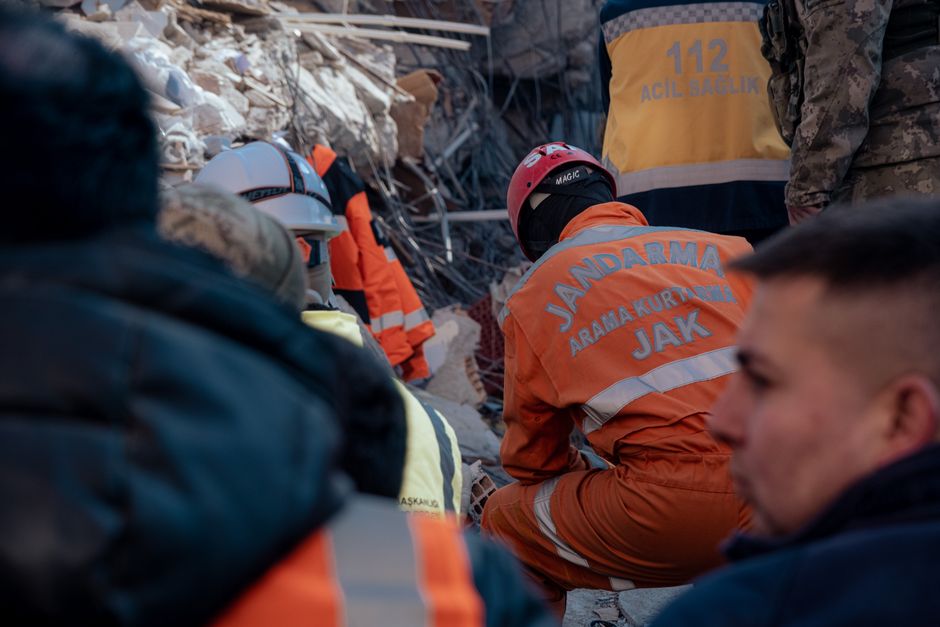
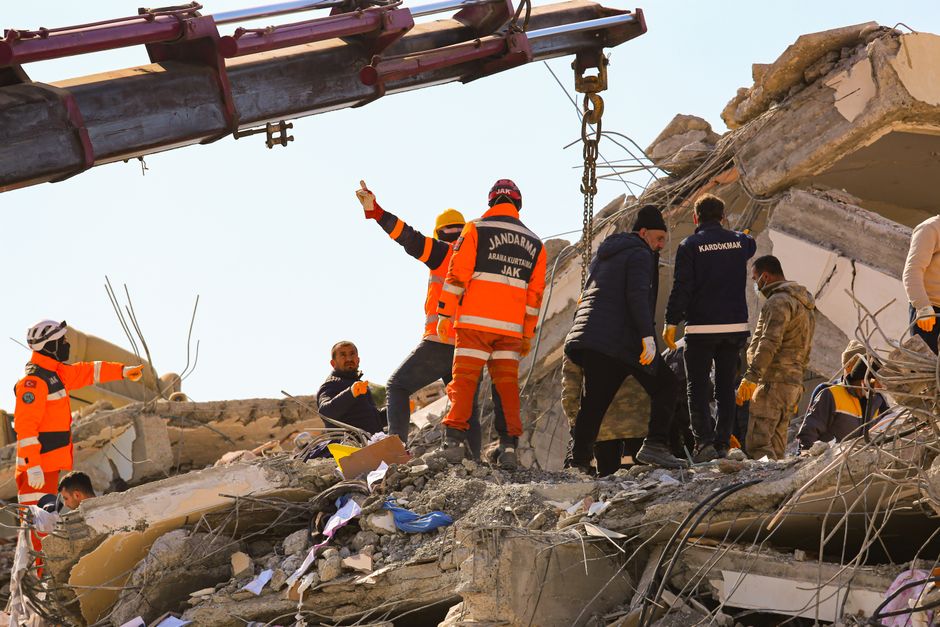
According to The Hindu, a powerful earthquake in Colombia has claimed the lives of at least 111 people, with another 87 injured. President Abelardo de la Espriella promptly declared an emergency, as rescue teams scrambled to the coastal Choco region to search for survivors amidst the rubble.
The Unseen Fault Lines in Colombia
This isn’t merely a statistic; it’s a stark reminder of humanity’s precarious perch on a volatile planet. Colombia, sitting squarely on the Pacific Ring of Fire, has a long, painful history with seismic activity. Yet, each major quake feels like a fresh shock, an unexpected blow, even though the geological science points to an undeniable inevitability. The Choco region, often overlooked in national development plans, epitomizes the vulnerability of marginalized communities. Its coastal location, coupled with challenging terrain and often informal infrastructure, makes it a prime candidate for maximum devastation when natural forces unleash their fury.
The immediate response, as reported, involved emergency teams rushing to help. This is commendable, the human spirit rising to meet crisis. However, the declaration of an “emergency” often signals a reactive posture rather than a proactive strategy. We witness the familiar cycle: disaster strikes, global attention flickers, aid pledges are made, and then the world moves on, leaving the affected communities to grapple with long-term recovery, often compounded by pre-existing inequalities. The question isn’t just about *if* a region like Colombia will face such a calamity again, but *how* prepared we are to truly mitigate the human cost next time.
Tech’s Promise vs. Harsh Reality
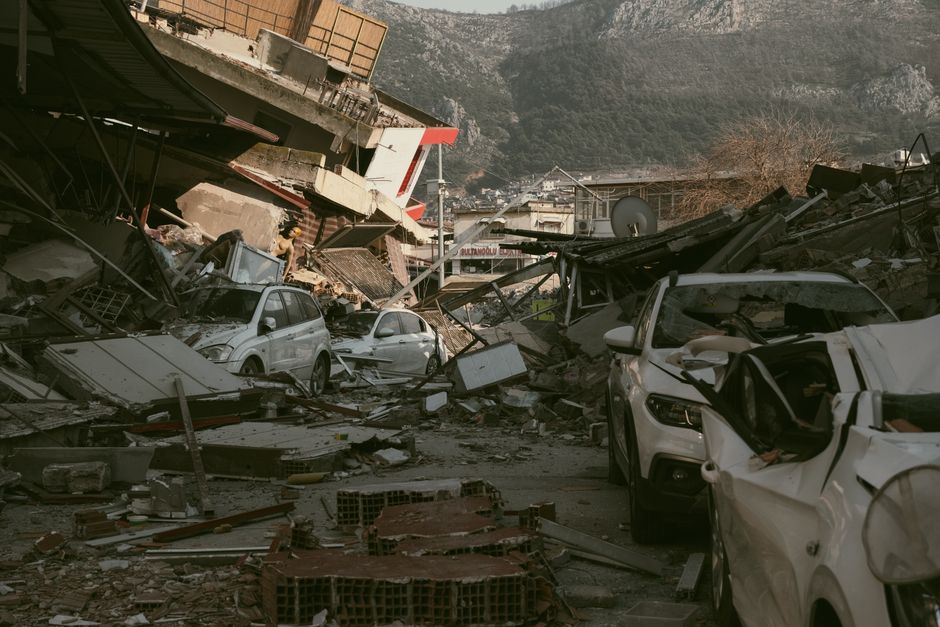
Here’s the uncomfortable truth: in an era boasting unprecedented technological advancements and the much-hyped capabilities of AI, why do we still see such devastating loss of life from predictable natural disasters? We talk endlessly about predictive analytics, smart cities, and resilient infrastructure. We develop algorithms that can map out supply chains with exquisite precision or forecast stock market movements with unnerving accuracy. Yet, when the ground shakes in places like Colombia, the real-world impact often feels disturbingly archaic.
Emergency services rush in, often with limited resources and outdated equipment, relying on sheer grit rather than cutting-edge solutions. Where are the AI models that should have predicted ground liquefaction in specific vulnerable areas, allowing for preemptive evacuations or reinforced building codes? Where is the widely deployed drone technology that could provide immediate, high-resolution damage assessments and identify trapped individuals without risking human lives in unstable structures? We have the blueprints for such solutions. We have the silicon and the software. But do we have the political will and the equitable distribution of these innovations to truly make a difference in regions that need them most?
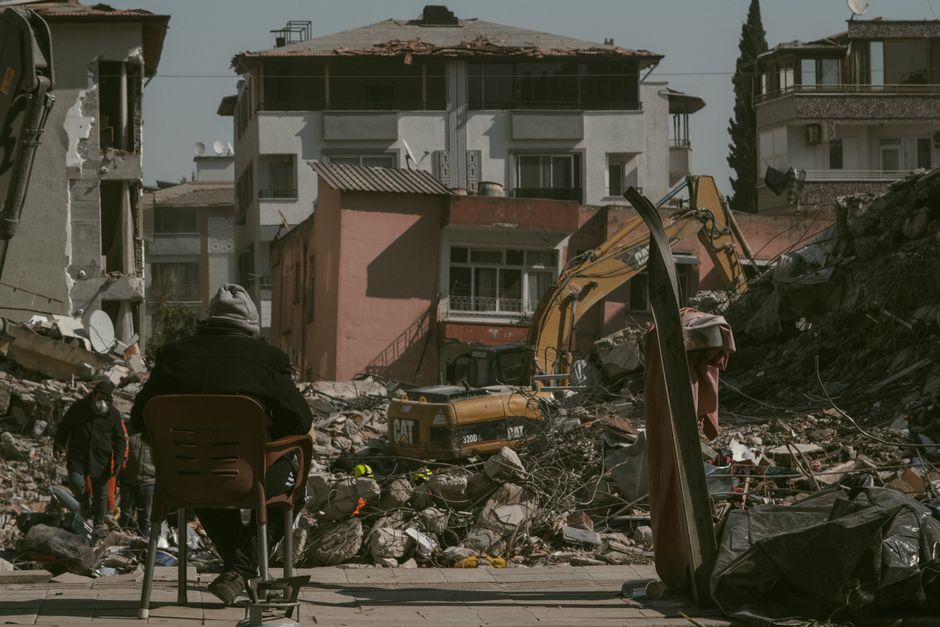
The mainstream narrative often focuses on the heroism of first responders, which is undeniably true and vital. But it conveniently sidesteps the systemic negligence that often leaves these heroes fighting an uphill battle with one hand tied behind their backs. While some might argue that implementing advanced tech in developing regions is cost-prohibitive, I counter that the human cost of *not* doing so is infinitely higher. The irony is bitter: we can send rovers to Mars, but struggle to ensure basic structural integrity for communities on Earth that live under constant seismic threat. The beneficiaries of this technological gap are, tragically, the tremors themselves, which continue to expose our collective hubris and inaction.
The immediate aftermath will be a period of grief and rebuilding. But let’s not pretend this is an act of God beyond our control. It’s a recurring tragedy that exposes the glaring chasm between our technological prowess and our collective political will to deploy it where it matters most. How many more lives must be lost before we demand that our innovations serve humanity’s most basic needs for safety and resilience, rather than just our insatiable appetite for convenience and profit?
Source: The Hindu