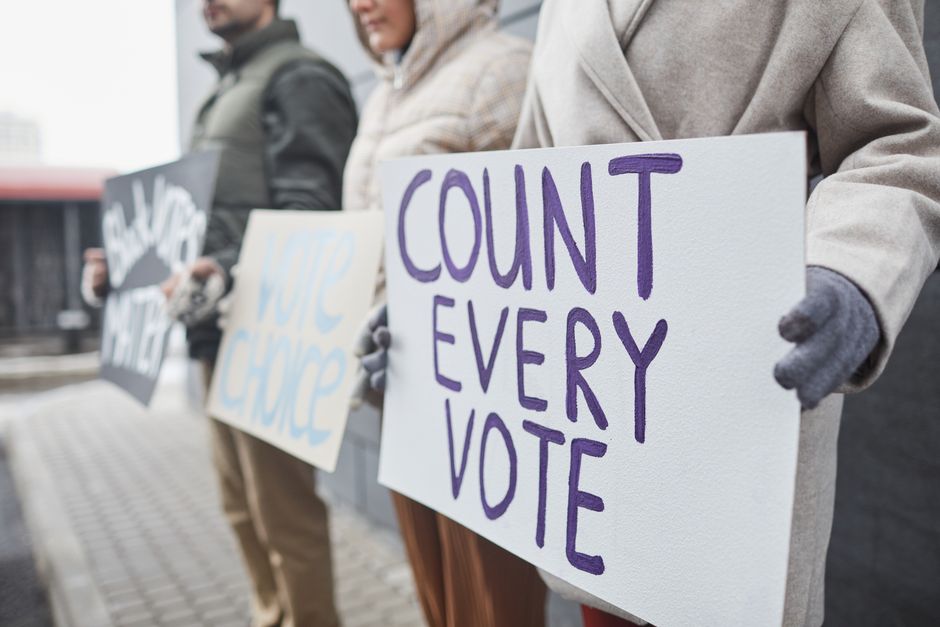
The political post-mortem of the NEET-UG paper leak continues, and with it, the urgent question of who truly represents the disillusioned **Gen Z** students now sits front and centre.
This latest chapter unfolds with Shiv Sena (UBT) MP Sanjay Raut delivering a pointed riposte to Union Minister Dharmendra Pradhan. Pradhan, it seems, had ventured the rather comfortable theory that protesting Gen Z students were merely “misled.” Raut, on a Sunday, opted for a decidedly less comfortable counter-narrative, effectively telling Pradhan that the youth weren’t misled; they were, in fact, “provoked by the way you handled the Education Ministry.” It’s a classic political punt, aiming to shift the ball — and the blame — squarely back into the government’s court, played out against a backdrop of widespread student anxiety and public frustration.

What landed
Raut’s most impactful contribution here is his outright rejection of the “misled youth” trope. It’s a familiar refrain from those in power when faced with popular dissent: dismiss the substance of the protest by questioning the agency of the protestors. By declaring that Gen Z was “provoked” by the ministry’s own actions, Raut not only validates the students’ grievances but also reframes the entire narrative. He suggests the anger is organic, a direct consequence of perceived governmental mismanagement, rather than the manipulated outcome of external influences.
This is a strategic and potent rhetorical move. It forces the conversation away from the convenient idea of external agitators and towards the less comfortable introspection of internal failings. He’s effectively saying: look in the mirror, not at the shadows. It’s a moment of direct, unvarnished criticism that, for a demographic feeling unheard, might resonate deeply. The implied message is that the students are intelligent, observant, and capable of forming their own conclusions based on direct experience, rather than being unwitting pawns in a larger game.

What doesn’t add up
While Raut’s counter-punch is undeniably robust, it’s worth a moment to consider what isn’t explicitly addressed. The briefing details Raut’s rejection of the “misled” narrative and his accusation of provocation, but it remains a primarily accusatory statement. We don’t hear, at least in this summary, a detailed articulation of how the Shiv Sena (UBT) would address the systemic issues that led to the NEET-UG leaks, beyond the implication that better ministerial handling would prevent them. It’s a strong critique, but a solution-oriented plan remains elusive in this particular exchange.
Furthermore, the very nature of this political jousting — one minister accusing another of responsibility for public discontent — is a dance as old as representative government itself. While Raut defends the students’ agency, it’s also a convenient opportunity to score points against a political rival. Is his concern for Gen Z purely altruistic, or is it also a calculated move to align his party with a significant and increasingly vocal demographic? The minister’s original claim of students being “misled” was a deflection; Raut’s counter is an attack. Both, in their way, contribute to the political theatre rather than necessarily advancing the immediate plight of the students. It’s an exchange of blows, not a blueprint for reform.

Come Monday morning, the stakes are clear. This isn’t just a war of words between politicians; it’s a battle for the hearts and minds of a generation. Will Raut’s defence of Gen Z translate into concrete action or political leverage? And will Pradhan’s ministry heed the sharp critique, or continue to suggest that student frustration is merely a symptom of misinformation rather than a signal of deeper systemic issues? The students, waiting for answers on their future, will be watching closely, hoping for more than just a parliamentary mic drop.
Source: OnTheRecord