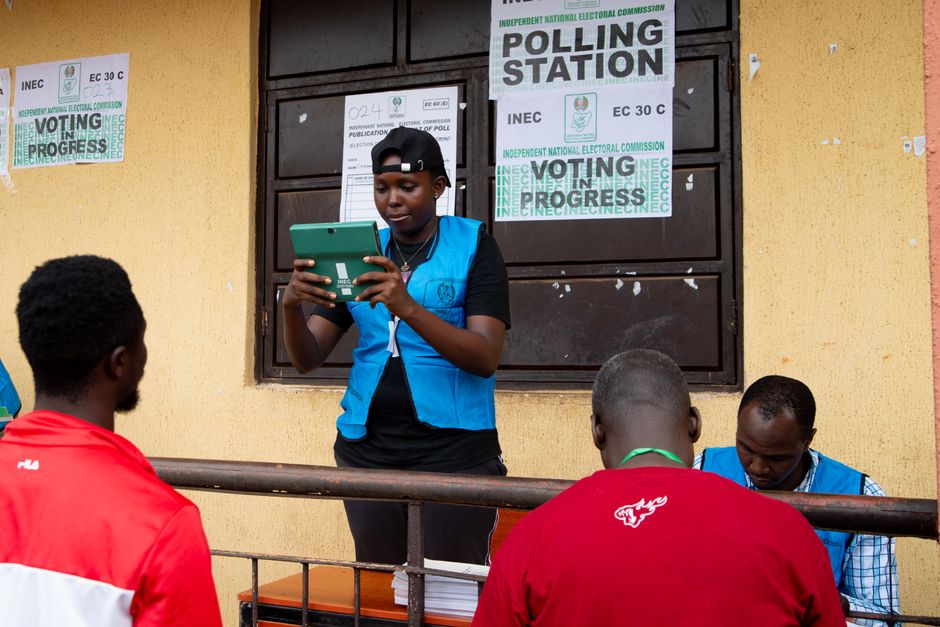
What does it take for the international community to finally draw a line in the sand? When a respected publication like Daily Trust reports on urgent calls for sanctions against those who actively dismantle democratic processes, you have to wonder if anyone is truly listening. The alarm bells are deafening, yet the world often responds with a shrug.
According to Daily Trust, the African Progressive Movement (APM) has formally demanded sanctions against individuals and entities found to be undermining democratic institutions. This significant move targets those whose actions erode the very foundations of fair and transparent governance.
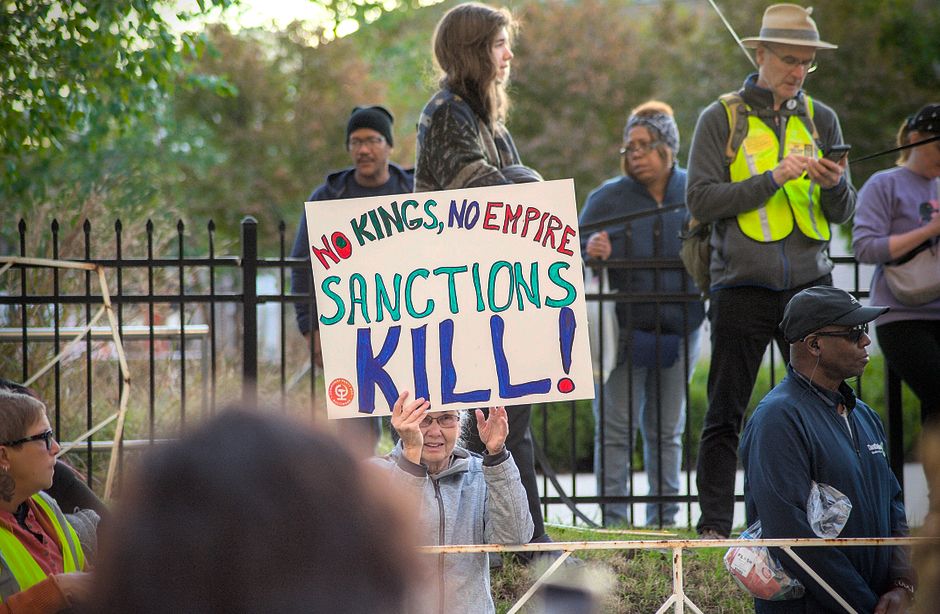
Democracy Under Siege: The Daily Trust’s Warning
This isn’t just another press release from a political organization. It’s a direct challenge to the often-tepid, sometimes complicit, responses from global powers. For too long, lip service has been paid to democratic ideals while bad actors operate with alarming impunity. The APM’s call, highlighted by Daily Trust, underscores a profound and growing frustration across the African continent.
Elections are increasingly contested, often marred by irregularities that cast long shadows over their legitimacy. Institutional checks and balances are systematically weakened, transforming once-vibrant democratic structures into hollow shells. Meanwhile, civil liberties, the bedrock of any free society, are under constant and aggressive threat. This isn’t merely about the isolated struggles of one nation; it represents a systemic vulnerability that impacts regional stability, economic development, and international relations.

The players are clear: those who manipulate electoral systems, suppress legitimate dissent, and disregard constitutional norms. They are the architects of instability, often hiding behind a veneer of legality. The demand for targeted sanctions suggests a belief that economic and travel restrictions might be the only language some power-hungry individuals truly understand. It’s a plea for tangible consequences where diplomatic condemnations and toothless resolutions have consistently failed. The APM is essentially saying: stop talking, start acting, before it’s too late.
The Illusion of Impunity and Global Complicity
The APM’s demand, thoroughly reported by Daily Trust, exposes a critical and embarrassing flaw in global democracy promotion efforts. We, as an international community, champion the sanctity of elections, fund legions of observers, and then, with bewildering regularity, stand by as the outcomes are subverted. Even worse, we watch as the next electoral cycle is rigged before it even begins, all under the guise of non-interference. Who truly benefits from this pervasive inaction? Certainly not the millions of citizens whose votes are rendered meaningless, whose hopes for a better future are crushed by entrenched elites.
The undeniable winners, for now, are the autocrats and their cronies who have learned a chilling lesson: the price of undermining democracy is often negligible. They continue to stash their ill-gotten gains in international banks, send their children to prestigious foreign universities, and travel freely across borders, all while their own populations endure escalating hardship and a steady erosion of rights. This creates a dangerous precedent, inviting others to follow suit, seeing no real deterrent to their authoritarian ambitions. The pattern is clear, and the message sent by global inaction is devastatingly consistent.
However, it would be naive to ignore that sanctions are a double-edged sword, fraught with complexities. While they can be a potent tool to target specific individuals and their networks, they also carry the risk of being exploited for narrow political purposes. Furthermore, poorly implemented sanctions can inadvertently exacerbate economic hardship for ordinary citizens, creating a humanitarian crisis that further destabilizes already fragile states. The critical challenge lies in precision: identifying the true architects of democratic decay and targeting them surgically, without inflicting collective punishment on innocent populations. This is precisely where the mainstream discourse often falters, focusing on broad, sweeping measures rather than nuanced, intelligence-driven interventions.
What the mainstream is consistently missing is the deep, structural nature of this problem. It’s not simply about a single fraudulent election; it’s about the systematic erosion of independent institutions, the weaponization of state power against its own people, and the deliberate dismantling of civil society. The APM’s impassioned call is a recognition that these are not isolated incidents but rather alarming symptoms of a wider, more virulent disease. The stakes are incredibly high, not just for the affected nations themselves, but for the very credibility of international bodies and Western democracies that claim to uphold these fundamental values. If they continue to fail to act decisively, their lofty rhetoric will ring hollow, and the global struggle for genuine democracy will suffer a potentially irreversible setback.
So, will the international community finally heed the urgent alarm bells rung by the African Progressive Movement and amplified by Daily Trust, or will they continue to offer empty platitudes while democracy withers on the vine? The answer will not only define the future of embattled nations, but also the integrity and moral compass of global governance itself. The world is watching, and history will judge.
Source: Google — UK & Europe