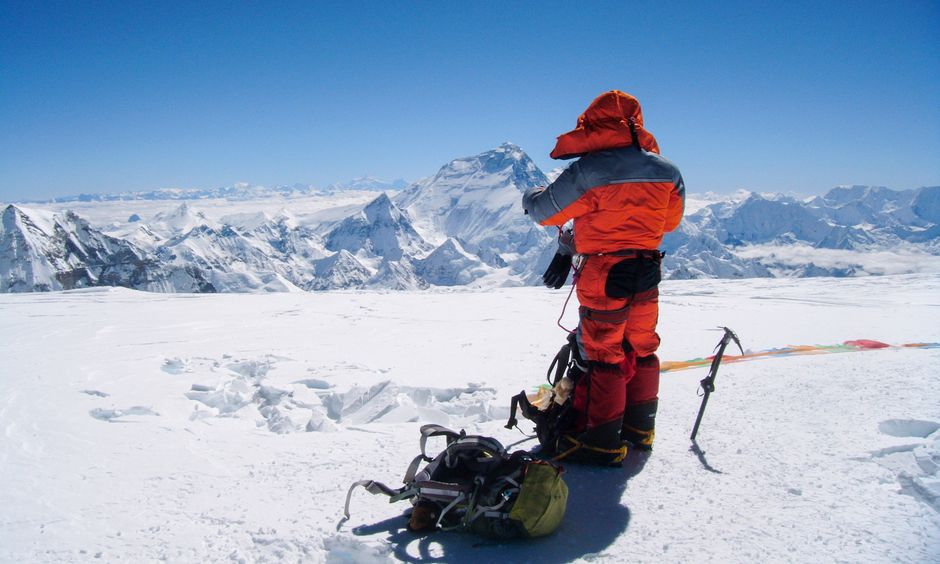
For three decades, he was a macabre landmark, a ghoulish waypoint on the world’s deadliest mountain. “Green Boots” – the chilling moniker given to an unidentified Indian climber whose body, clad in distinctive lime-green footwear, served as a grim marker for those ascending Everest’s treacherous North Ridge. Now, after 30 years, the news suggests this grim chapter might finally close.
According to BBC Asia, the body of the Indian man, presumed to be Tsewang Paljor, who perished in a 1996 blizzard, is reportedly being retrieved from the mountain. For generations of climbers, he was a warning, a silent testament to Everest’s unforgiving nature, frozen in time and elements.
The Long Wait for His Return
Why now? This isn’t just a simple retrieval; it’s a profound statement on the commercialization of Everest and the moral calculus of leaving the dead behind. For years, the cost and danger of recovery efforts were deemed too high. Bodies like Paljor’s, and countless others, were simply integrated into the brutal landscape, silent sentinels of humanity’s ambition. Meanwhile, the Everest industry boomed, drawing hundreds of paying clients each season, all stepping over, or around, these tragic figures. The decision to finally retrieve him now raises uncomfortable questions about our priorities. Was it a sudden surge of compassion, or a reaction to mounting pressure and the ever-present glare of global media?
Consider the human element, the fact that he had a name, a family, a story that ended tragically on that unforgiving peak. For three decades, that family lived with the knowledge of his frozen vigil. The context here is crucial: Everest is not just a mountain; it’s an extreme tourism destination, where the line between adventure and exploitation has become increasingly blurred. Sherpas risk their lives daily, not just for the living, but now, potentially, to correct decades of neglect for the dead.
More Than Just a Body: The Ethics of Everest
Let’s be blunt: it’s a moral failing that it took 30 years for someone to consider that he deserved more than being a macabre trail marker. This isn’t about newfound respect for the deceased; it’s about optics. As global scrutiny on Everest’s “death zone” intensifies, the image of bodies littering the route becomes increasingly problematic for an industry built on dreams and conquest. The removal of “Green Boots” is a PR coup, not a spontaneous act of human decency. It’s a cleaning up of the most visible messes, a superficial attempt to sanitize a fundamentally brutal enterprise.
While the humanitarian argument for returning him to his family is undeniable, we must ask: what about the hundreds of others still entombed in ice? Are their families less deserving? Are their stories less poignant? This move, while welcome, shines a harsh light on the selective empathy applied to those who perish on the world’s highest peak. It’s easy to focus on one iconic figure, but the problem runs far deeper. The climbing community, and the governments that regulate it, have long turned a blind eye to the grim reality, prioritizing permit fees and summit statistics over the dignity of the dead. When we talk about the cost of retrieving him, are we truly valuing human life, or simply mitigating bad press?
This decision, coming to light now, should ignite a fiercer debate in the coming week about the true cost of Everest expeditions, not just in dollars, but in human lives and ethical compromises. The industry needs to confront its own hypocrisy. We celebrate the conquerors, but for too long, we’ve left the fallen as footnotes, or worse, as morbid tourist attractions. “Green Boots” is coming home, but the ghosts of Everest still linger, demanding a reckoning that extends far beyond one body. Is this a new dawn for mountain ethics, or merely a temporary tidying before business as usual resumes? Only time will tell if this act sparks genuine change or remains a solitary, belated gesture.
Source: BBC Asia