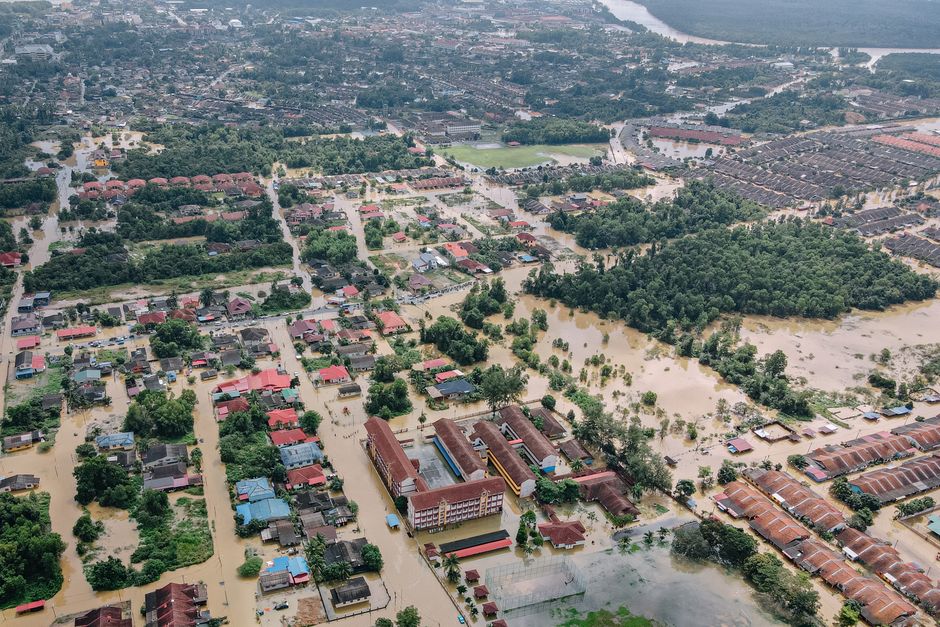
The debate around **Hardening Infrastructure** might seem straightforward, but as a recent Axios report revealed, even basic consensus can be obscured by political agendas.
Axios, the digital news outlet known for its digestible “smart brevity” format, recently delved into the pressing issue of infrastructure resilience. The piece, presumably aimed at informing its wide readership about the need for robust public works, quickly drew scrutiny from outlets like WattsUpWithThat (WUWT). The critical response from WUWT highlighted a familiar tension in public discourse: the rationale behind essential investments.
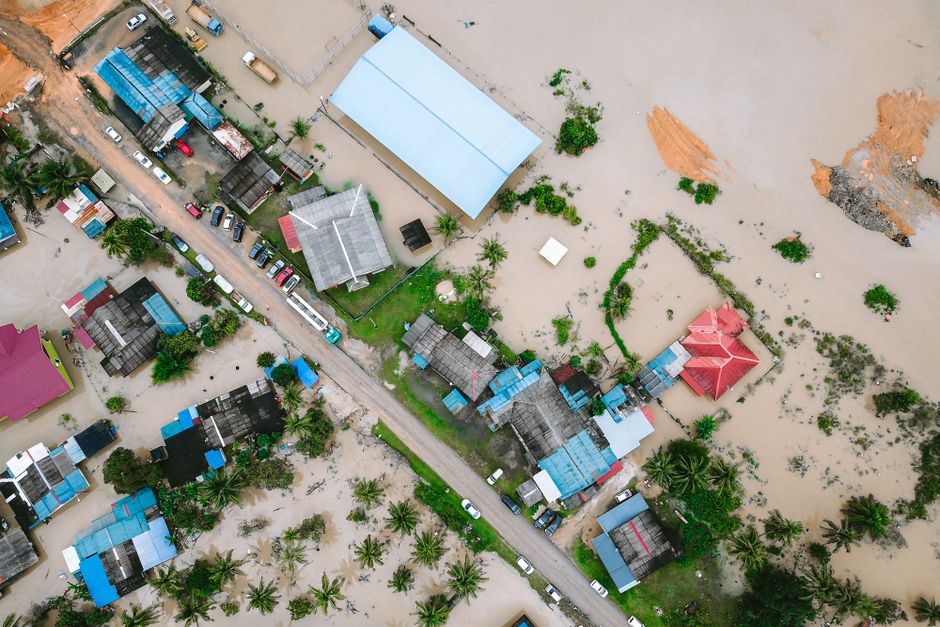
The Axios report, as interpreted by its critics, appeared to frame the urgent necessity of infrastructure improvements primarily through the lens of accelerating climate change. This framing, according to WUWT, suggested that the escalating frequency and severity of extreme weather events—directly attributable to a changing climate—were the principal drivers for fortifying everything from power grids to sea walls. It’s a narrative that has become almost boilerplate in recent years, linking any discussion of resilience directly to a looming environmental catastrophe.
What landed
What landed, perhaps too predictably, was the familiar assertion that the current state of our infrastructure is increasingly vulnerable to “worsening” weather patterns, implying a direct causal link to anthropogenic climate change. Axios, it seems, presented a case where the need for **Hardening Infrastructure** was not merely a matter of prudent long-term planning or addressing decades of underinvestment, but rather an immediate, reactive measure against an ever-more hostile natural world. The underlying message was clear: climate change is making weather worse, and therefore, we must act now to adapt our physical environment. This perspective, while prevalent in certain circles, often serves as the primary justification for significant policy shifts and public spending, framing the issue as an undeniable emergency rather than a continuous, strategic imperative.
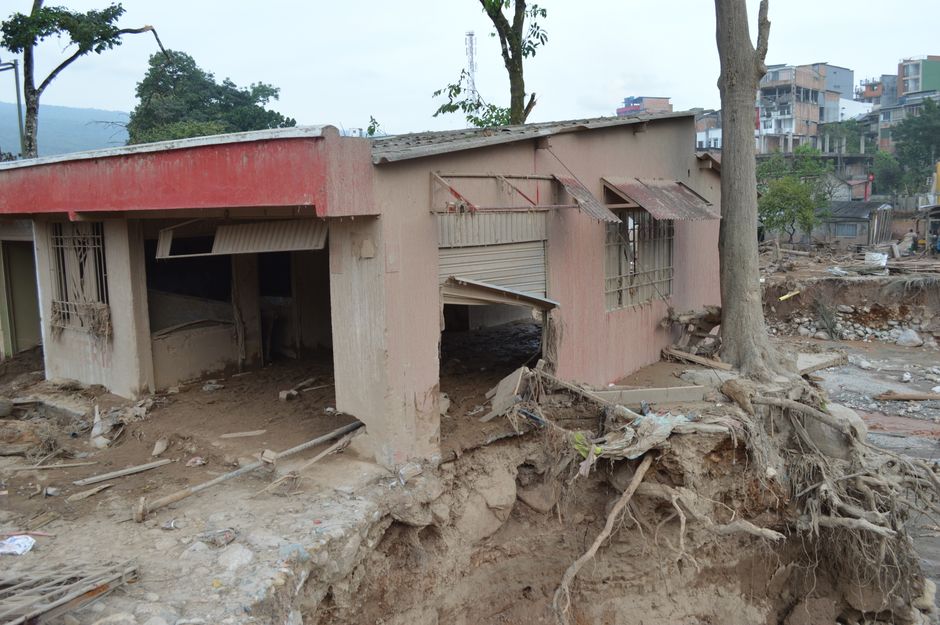
This approach, while effective in galvanizing a particular segment of opinion, sometimes overshadows a more pragmatic, universal argument for infrastructure investment. By tying the need for hardening so closely to a specific environmental crisis, Axios positioned itself within a well-established discourse, emphasizing the dramatic rather than the durable. The outlet appeared to assume that its audience shares its premise regarding the dire state of the climate, making the leap from perceived threat to necessary action feel less like a reasoned argument and more like an established truth.
What doesn’t add up
Where the Axios presentation, as critiqued by WattsUpWithThat, conspicuously doesn’t add up is in its selective emphasis and implicit claims. WUWT took issue with what it termed “fact-barren climate propaganda,” directly challenging the premise that “weather is not getting worse” in a manner that definitively demands immediate, climate-specific infrastructure hardening. This counter-argument isn’t necessarily against the *action* of hardening infrastructure, but rather against the *reasoning* Axios employed to justify it. It suggests that while hardening infrastructure is “always a good investment for the future,” attributing this necessity primarily to an empirically unsubstantiated worsening of weather patterns constitutes an unhelpful, even misleading, form of advocacy.
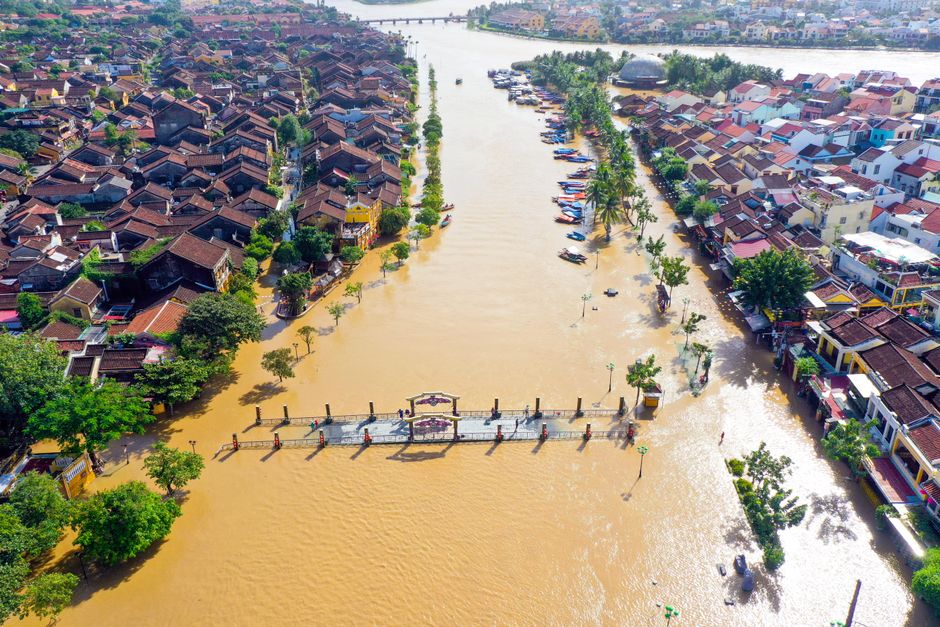
This creates a significant tension. If the fundamental premise—that weather is demonstrably worsening due to climate change—is questioned, then the entire edifice of climate-centric infrastructure policy wobbles. The core contradiction lies in Axios’s apparent insistence on a specific, climate-driven rationale, when the benefits of robust infrastructure arguably stand on their own merits: economic stability, public safety, and long-term societal resilience. To suggest that we *must* harden infrastructure *because* of climate change, rather than simply because it’s a wise, proactive investment in a modern society, feels like a rhetorical sleight of hand designed to push a specific agenda. It’s a familiar pattern where a legitimate need is co-opted to bolster a broader political narrative, rather than being presented for its intrinsic value.
Monday morning, the debate over **Hardening Infrastructure** will continue, but the underlying question will persist: are we building for resilience because it’s smart policy, or because we’ve been convinced of a specific, perhaps unproven, climate emergency? The answer will dictate not only *what* we build, but *why* we’re willing to pay for it.
Source: OnTheRecord