
We live in an era where seeing is no longer believing. In fact, seeing is now often just another data point in a vast ocean of engineered deception, especially when sophisticated artificial intelligence tools are thrown into the mix. This isn’t some dystopian future; it’s our uncomfortable present, and the consequences are chillingly real.
According to BBC Technology, a surge of fake videos, often depicting exaggerated or entirely fabricated disaster scenes, is rapidly circulating online in China. These deceptive visuals are not mere pranks; they are causing genuine real-world problems as extreme weather events become more common.
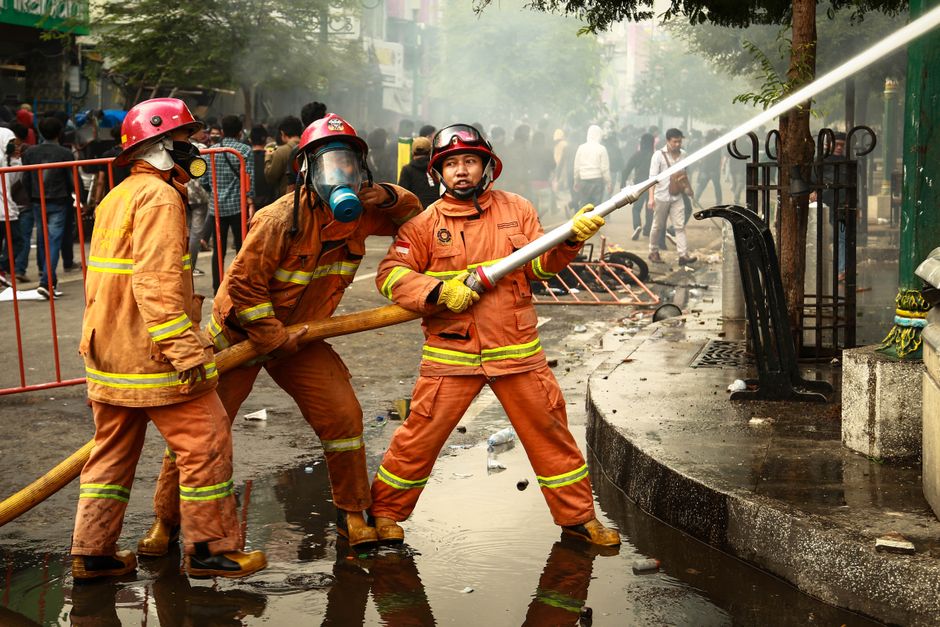
The Digital Deluge and the Crisis of Trust
Why does this matter right now? Because the crucible of extreme weather events, fueled by climate change, provides fertile ground for misinformation to flourish. As floods rage and typhoons strike, a desperate public craves information, real or imagined. Social media platforms, designed for virality above all else, become unwitting amplifiers for these fakes. The sheer speed at which a compelling, even if untrue, visual can traverse the globe is staggering.
In China, this phenomenon takes on an added layer of complexity. The nation operates within a tightly controlled information ecosystem, where official narratives are paramount. However, this often creates a hunger for alternative, faster, or more dramatic content, a void that malicious actors, or simply those seeking viral fame, are all too eager to fill. The tools of artificial intelligence have democratized deception, putting the power to create hyper-realistic visual falsehoods into far too many hands. What once required Hollywood-level visual effects can now be whipped up on a laptop, making detection an increasingly difficult, often losing, battle.

The Peril of Engineered Reality and Artificial Intelligence
This isn’t just about ‘fake news’ in the abstract; it’s about the direct endangerment of human lives. When a genuine flood warning is issued, but the internet is awash with dozens of equally convincing, yet fake, videos of other non-existent floods, public trust erodes. People become desensitized, unable to discern authentic calls to action from digital fabrications. The Boy Who Cried Wolf parable suddenly feels like a blueprint for modern disaster response, but with the added menace of an AI-powered wolf creating endless, indistinguishable cries.
The stakes are immense. For citizens, it’s a matter of safety and informed decision-making during crises. For governments, it’s a profound challenge to maintain authority and deliver critical public safety messages when the very fabric of visual evidence has been compromised. How do you convince people to evacuate, or to trust official aid efforts, if every image they see could be a lie? This digital poisoning of the well of truth has far-reaching implications, not just for disaster management, but for social cohesion and the very idea of shared reality.

Furthermore, this battle against engineered reality is a global one. The techniques perfected in one corner of the internet will inevitably spread, threatening elections, public health campaigns, and international relations. The arms race between those who generate sophisticated artificial intelligence fakes and those attempting to detect them is escalating. And for now, it feels like the creators of chaos are winning.
We are quickly heading towards a world where our eyes betray us, where the digital landscape becomes an indistinguishable blend of fact and fiction. If we cannot trust what we see, what exactly are we left to believe?
Source: BBC Technology