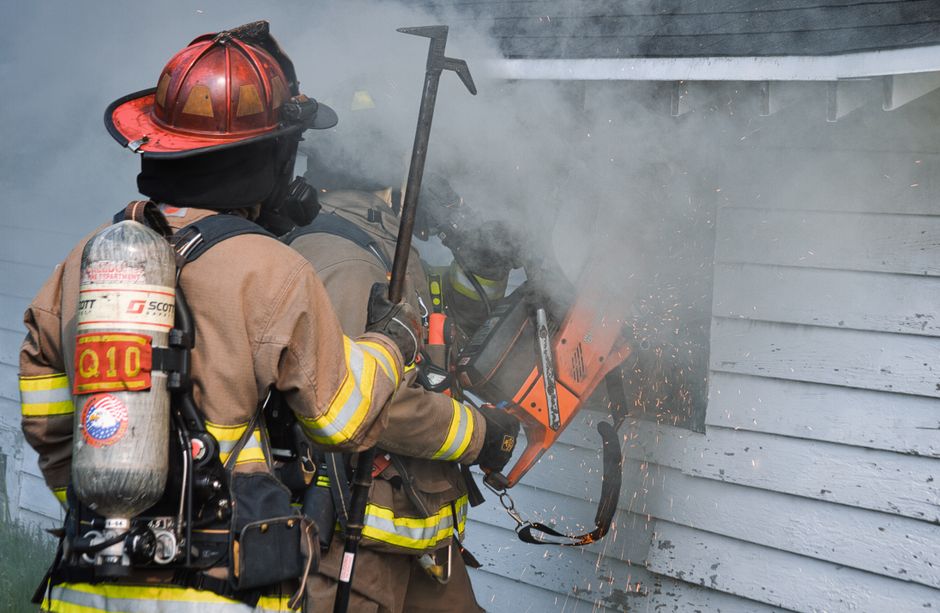
When a new report lands, suggesting the very tactics meant to save a situation actually made it worse, what does that do to public trust? It’s a gut punch, a direct challenge to the unspoken contract we have with our first responders. We expect heroism, certainly, but also competence, especially when lives and livelihoods hang in the balance.
According to wmtw.com, tactics employed by firefighters at the Searsmont lumber mill fire and explosion may have exacerbated the incident. This is not just a detail; it’s a potential indictment of the very people we task with protecting us.
The Weight of the Official Report
The inherent trust placed in firefighters is profound. They are the ones who run *into* danger when everyone else runs away. This incident, however, brings into sharp focus the critical importance of post-incident analysis, especially when an official report points fingers at operational decisions. A lumber mill fire, by its very nature, is a beast of a blaze, often fueled by highly combustible materials and prone to rapid escalation. The stakes are always incredibly high, not just for the property but for the personnel on the ground. This latest report from wmtw.com forces us to look beyond the immediate heroics and consider the strategic choices made under immense pressure. It asks us to reconcile the image of the selfless firefighter with the possibility of human error, or worse, flawed doctrine.
This isn’t just about Searsmont, of course. Every major incident, from industrial fires to natural disasters, demands a thorough review. Who are the players here? Primarily, the local fire departments, their command structure, and the external investigators compiling the report. What led to this moment? Likely a confluence of factors: the unpredictable nature of industrial fires, perhaps equipment limitations, and certainly the high-stress environment where split-second decisions must be made. The community, still reeling from the destruction of the mill, now faces the uncomfortable truth that their saviors might have inadvertently contributed to the loss. It’s a bitter pill to swallow for everyone involved, especially for the firefighters themselves, who risk everything.
Accountability Beyond the Blaze
Here’s the blunt truth: If a report concludes that emergency tactics worsened a disaster, then there must be accountability. It’s not about shaming, but about learning and preventing future catastrophes. The mainstream narrative often lionizes first responders, and rightly so for their courage. However, this unwavering praise can sometimes obscure the need for critical evaluation and professional growth. This isn’t just about individual mistakes; it could point to systemic issues in training, equipment, or incident command protocols. Who wins when such a report surfaces? Potentially, the public in the long run, if lessons are truly learned and applied. Who loses? The reputation of the department involved, and perhaps most tragically, the community’s sense of security.
What the conventional wisdom often misses is the sheer complexity of fighting a massive industrial fire. These aren’t house fires. They involve unique hazards, volatile materials, and a constant, dynamic threat assessment. Firefighters are trained, but no training can perfectly replicate the chaos and heat of an actual lumber mill inferno. On the other hand, the expectation of professional competence remains. The essence of this report isn’t to demonize, but to scrutinize. Was there a failure in understanding the specific properties of a lumber mill fire? Were resources misallocated? Or was it simply an impossible situation where any tactic carried immense risk? These are the questions that demand answers, not just platitudes about bravery. Ignoring the findings of such a report would be the greatest disservice to those who serve and those they protect. It would be a dereliction of duty, making future incidents more likely to repeat past mistakes.
Ultimately, this report serves as a stark reminder: even heroes are fallible, and the systems they operate within demand constant, rigorous examination. The true measure of an emergency service isn’t just how they respond to a crisis, but how honestly they confront their own performance afterward. Will Searsmont turn this painful revelation into a catalyst for profound change, or will it be swept under the rug as an unfortunate anomaly? The answer will define their future safety.
Source: Google — Middle East incidents