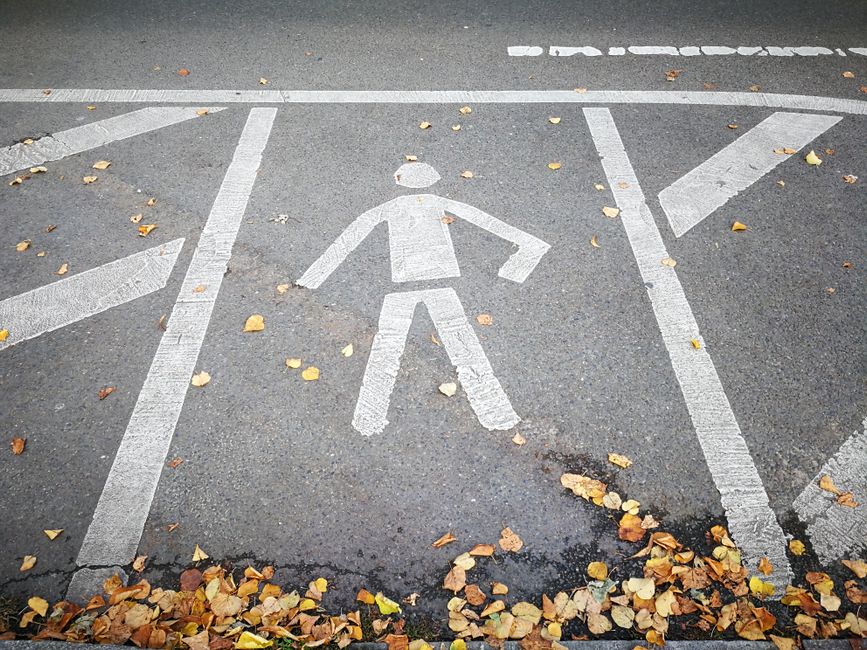
Another day, another grim headline from our glittering cities. We spend countless hours debating grand policy, yet the most visceral truths often play out on asphalt, brutally and without warning. A **woman** is dead on Market Street in San Francisco, not from some exotic foreign threat, but from the raw, dangerous mechanics of urban life itself.
According to the San Francisco Chronicle, a pedestrian was killed in what officials described as a “high velocity” crash on Market Street, a major thoroughfare in the city. The incident, tragic in its immediate impact, points to a much larger, more uncomfortable truth about how our urban spaces are designed and policed.
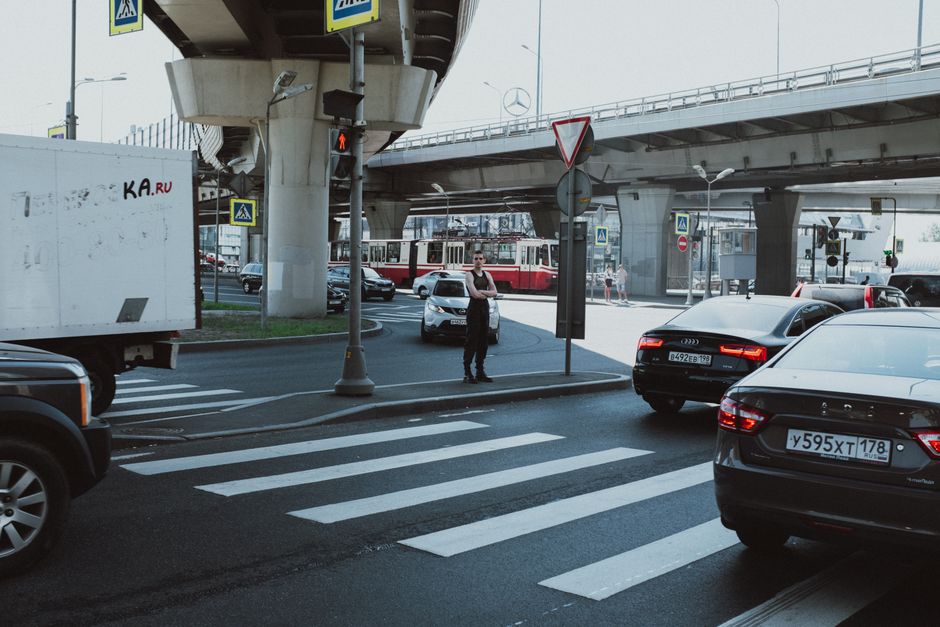
The Unseen Costs of Urban Velocity
This isn’t just any street; Market Street is the pulsing artery of San Francisco, a city that often prides itself on progressive urban planning and a vibrant pedestrian culture. It’s a corridor lined with tech giants, historic buildings, and a constant flow of humanity, a symbolic crossroads of innovation and community. However, the phrase “high velocity” cuts through any romantic notions, exposing a dangerous contradiction. How can a city so focused on innovation and human-centric design consistently fail to protect its most vulnerable residents, like this **woman** who was simply trying to navigate her own city street?
This incident isn’t an isolated anomaly. It’s a symptom of a deeper tension: the conflict between the ideal of a walkable, people-first city and the entrenched reality of car-centric infrastructure and culture. San Francisco, like many American metropolises, has made strides towards Vision Zero goals, aiming to eliminate traffic fatalities. Yet, when a “high velocity” incident occurs on one of its most prominent streets, it reveals the chasm between ambition and execution. This crash lays bare the systemic failures that persist despite the best intentions, or perhaps, despite the carefully crafted public relations.
Reclaiming Our Streets for Every Woman
Let’s be blunt: when a “high velocity” crash takes a life, someone or something is fundamentally broken. We can point fingers at individual drivers, and accountability for reckless behavior is crucial. Yet, it’s far too easy to scapegoat one bad actor and ignore the systemic rot that enables such tragedies to occur with alarming regularity. Who truly wins when our urban infrastructure becomes a deadly playground for speeding vehicles? Certainly not the pedestrian, the resident, the **woman** who simply tried to walk home. The city loses a citizen, families lose loved ones, and the collective trust in urban safety erodes with each new incident.
The mainstream narrative often frames these as tragic “accidents” — implying an unforeseeable act of God. But what if they are, in fact, predictable outcomes of choices made decades ago, choices we continue to rubber-stamp with our inaction? We design streets for throughput, for speed, for the rapid movement of metal boxes, and then express shock when those metal boxes become lethal weapons. This isn’t just about traffic; it’s about priorities. It’s about a societal unwillingness to sacrifice even a minute of a driver’s commute for the absolute safety of a human being on foot. We need to look beyond the immediate scene and question the very philosophy guiding our urban planning.
This tragedy, impacting one **woman**, should force us to confront uncomfortable truths about our urban fabric. Are we truly building cities for people, or are we just optimizing for vehicles? The answer, for too many of our major metropolises, leans heavily towards the latter. Until we genuinely prioritize pedestrian safety through aggressive street design changes, stricter enforcement, and a profound cultural shift that values human life over vehicular convenience, these “high velocity” incidents won’t be anomalies. They will remain chillingly regular occurrences, each one a stark reminder of our collective failure to protect the most basic right: to walk safely in our own communities. We owe it to the memory of this woman, and every other person lost to preventable urban violence, to demand more. How many more lives must be shattered on our city streets before we finally decide that human life is worth more than a few seconds saved on a commute?
Source: Google — Middle East incidents