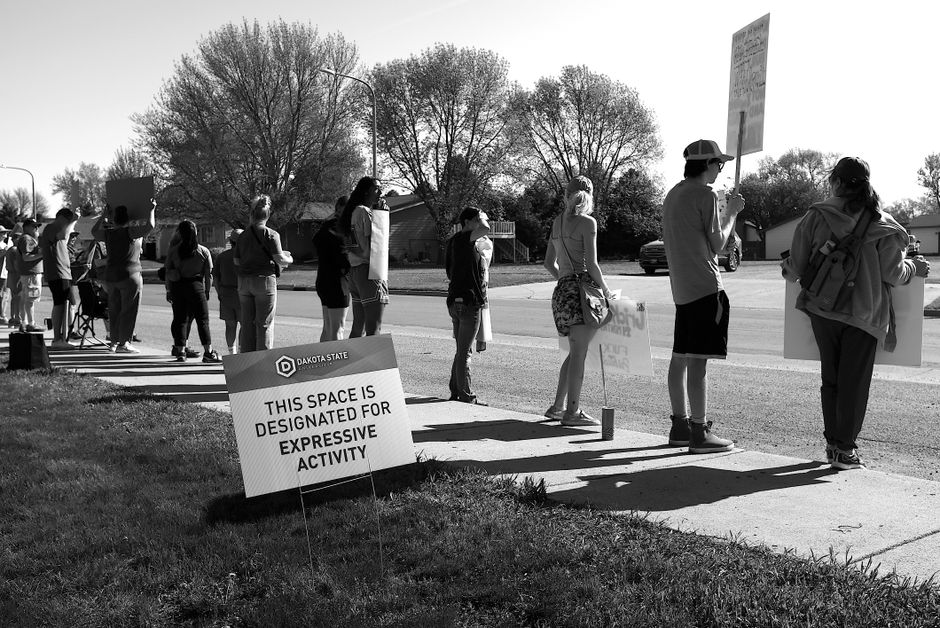
The battle for free speech on college campuses has reached a new, bewildering intensity, where lines blur and accusations fly faster than legal definitions. This isn’t just about protest anymore; it’s about navigating a treacherous landscape where “protected speech” and “actionable discrimination” are often confused, a distinction highlighted by experts like **David Bernstein**. The stakes are incredibly high for student safety, institutional integrity, and the very future of academic discourse.
According to Jewish Insider, Harmeet Dhillon, the assistant attorney general for civil rights, recently offered crucial guidance to pro-Israel college students. She urged them to clearly distinguish between expression legally protected under the First Amendment and conduct that crosses the line into actionable discriminatory behavior. This guidance is a direct response to an increasingly volatile environment.
Understanding the Campus Quagmire: David Bernstein’s Lens
This advice arrives amidst an escalating climate of tension on American university campuses, a situation that has grown more fraught with each passing semester. For months, if not years, universities have struggled mightily to manage the fervent protests and counter-protests related to the Israeli-Palestinian conflict. Both pro-Israel and pro-Palestinian student groups frequently accuse each other of fostering hostile environments, alleging everything from harassment to outright intimidation. The core issue often revolves around what constitutes legitimate political expression – however impassioned or controversial – versus speech or actions that incite violence, threaten safety, or create a truly discriminatory atmosphere.
This is precisely the kind of nuanced legal territory that scholars like **David Bernstein** have explored in depth, highlighting the complexities inherent in applying abstract legal principles to highly charged, real-world situations. Universities find themselves caught between competing demands. They face immense pressure from powerful donors, influential alumni, and politically engaged groups, all while trying to uphold their dual commitments to robust free expression and their legal obligation to prevent discrimination. The Department of Education’s Office for Civil Rights (OCR) is increasingly involved, launching investigations into numerous complaints. Therefore, Dhillon’s advice serves as a direct, albeit challenging, response to this fraught reality. It aims to empower students with a clearer understanding of their rights and responsibilities in a highly charged atmosphere. The implications extend beyond campus boundaries, reflecting broader societal divides and even challenging American diplomatic ideals of fostering peaceful resolution and mutual understanding.
The Illusion of Clarity in a Fog of War
Dhillon’s advice, while legally sound and undeniably well-intentioned, highlights a profound chasm in understanding, not just between students, but between abstract legal theory and lived experience. Telling students to “distinguish” between protected speech and actionable conduct is, frankly, far easier said than done. *Doing* it effectively and consistently in the heat of a campus protest, or amidst the relentless glare of social media scrutiny, is another matter entirely. The very act of discerning “actionable discriminatory conduct” from “protected speech” requires a level of legal acumen and emotional detachment that few students, or even administrators, possess. It’s a high-stakes legal tightrope walk, fraught with potential missteps.
Universities, often paralyzed by fear of litigation or public backlash, tend to overreact or underreact inconsistently, applying rules in ways that appear arbitrary or biased. This inconsistent application of standards only fuels resentment and a pervasive sense of injustice among student bodies, often intensifying the very conflicts it seeks to mitigate. Furthermore, it frequently pushes the very difficult, yet essential, conversations we *should* be having about free speech and its inherent limits into a dangerous, ambiguous legal grey zone. The underlying problem isn’t solely a lack of legal knowledge among students or even administrators. It’s the increasing weaponization of civil rights law by various ideological factions, effectively transforming every campus disagreement into a potential federal case.
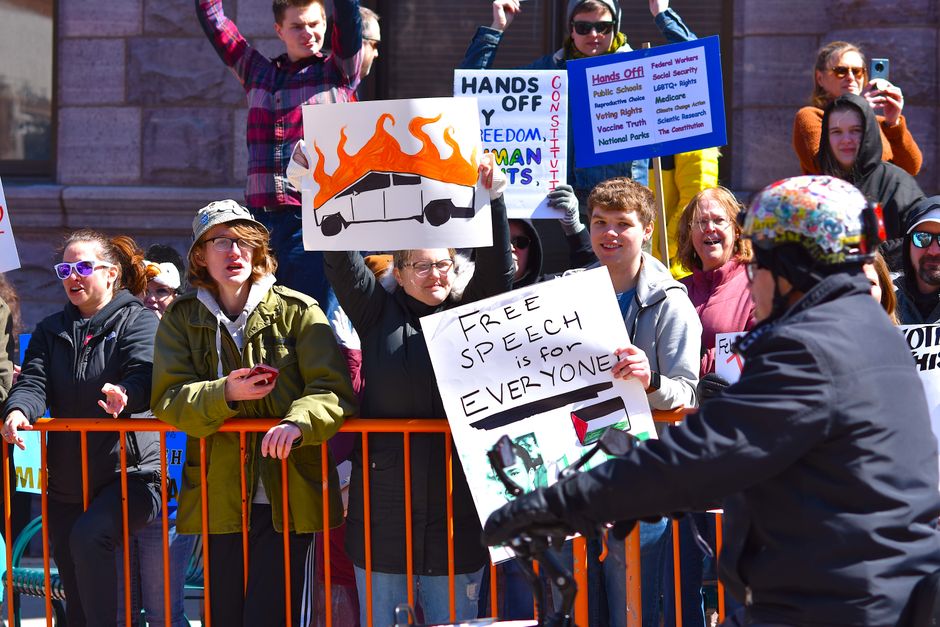
This environment doesn’t foster genuine dialogue or intellectual exchange; it actively encourages strategic maneuvering, legal brinkmanship, and an adversarial stance. The real losers here are the fundamental principles of open inquiry, critical thinking, and genuine academic debate, all cornerstones of higher education. While the nuanced distinctions emphasized by legal scholars such as **David Bernstein** are crucial for legal professionals, expecting them to be perfectly applied by students under duress is often unrealistic. This situation also creates a significant security concern, as students on all sides report feeling unsafe or targeted when institutional responses are perceived as inadequate or unfair. It directly impacts the ability of institutions to maintain order and ensure the well-being of their diverse student populations.
The challenge is not merely to educate students about legal definitions, but to cultivate an institutional culture that prioritizes civil discourse and equitable enforcement. Until universities proactively create environments where robust debate can thrive without fear of immediate legal reprisal or discrimination, this cycle of accusation and counter-accusation will persist. This is a reality that legal minds, including **David Bernstein**, have long grappled with, yet practical solutions remain elusive. The guidance is a start, but without a deeper commitment to fostering mutual understanding and consistent application of principles, campus conflicts will continue to escalate, threatening both security and the very mission of higher education.
Source: NewsAPI:q