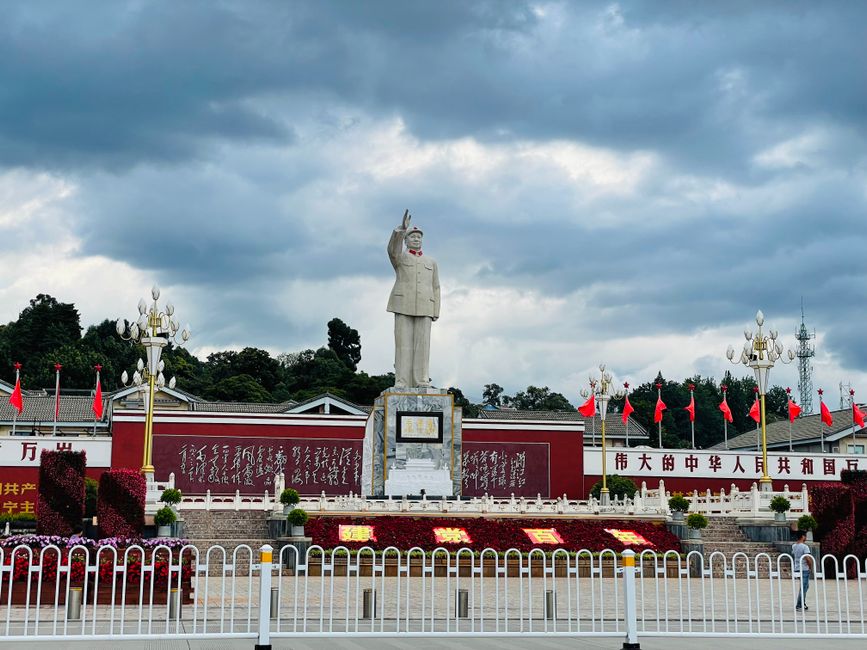
The ongoing campaign of **Replacing** religious symbols with political icons in China serves as a stark, undeniable declaration of state ideology.
While not a traditional sit-down, the recent directives from Beijing constitute a particularly pointed ‘interview’ with the world. The Chinese Communist Party, under President Xi Jinping, has issued an unmistakable decree: thousands of crosses, religious icons, and sacramentals are to be systematically purged from Catholic churches across the nation. In their place, the Party demands the display of portraits of former Chairman Mao Zedong and President Xi Jinping himself, a move reported by various outlets and highlighted in the Freerepublic.com summary.
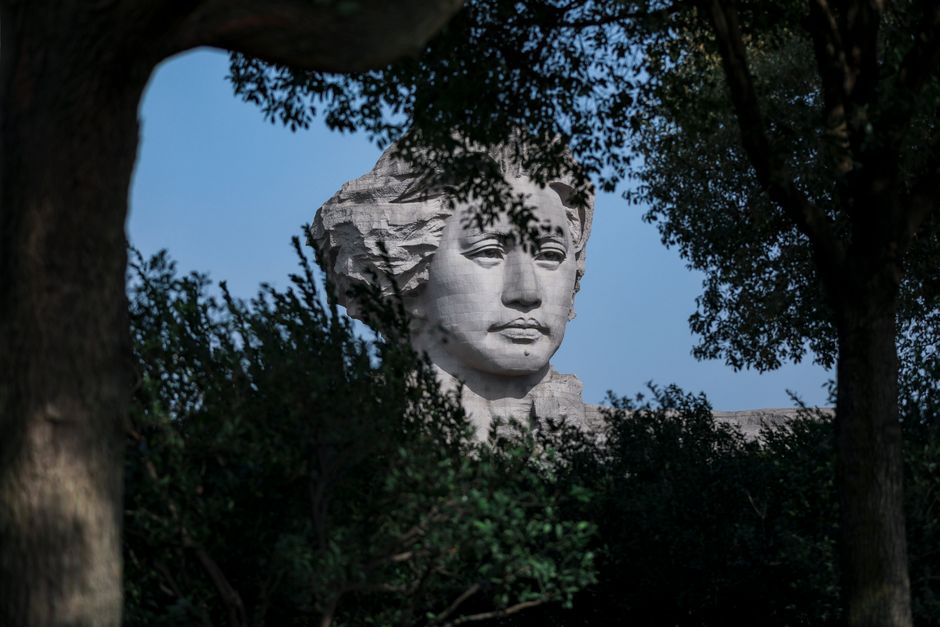
This isn’t merely an administrative reshuffle; it’s a deliberate, highly visible campaign to assert absolute ideological control. It plays out against a long backdrop of state-sanctioned religious repression, particularly concerning independent religious groups and those perceived to hold allegiances beyond the Party’s reach. The message, delivered through hammer and nail, is clear: spiritual devotion must bend to political loyalty.
What landed
What truly ‘lands’ in this chilling display of state power isn’t a carefully worded quote, but the sheer audacity of the action itself. The Freerepublic.com summary points to the removal of “thousands of crosses, icons, and sacramentals,” replaced directly by the images of Party leaders. This isn’t subtle coercion; it’s an overt declaration that the Party is the ultimate authority, demanding veneration traditionally reserved for the divine. The ‘revelation’ is the CCP’s absolute confidence in its ability to dictate not just public life, but private spiritual space. It lays bare the regime’s profound insecurity regarding any independent sphere of influence, even one rooted in faith.
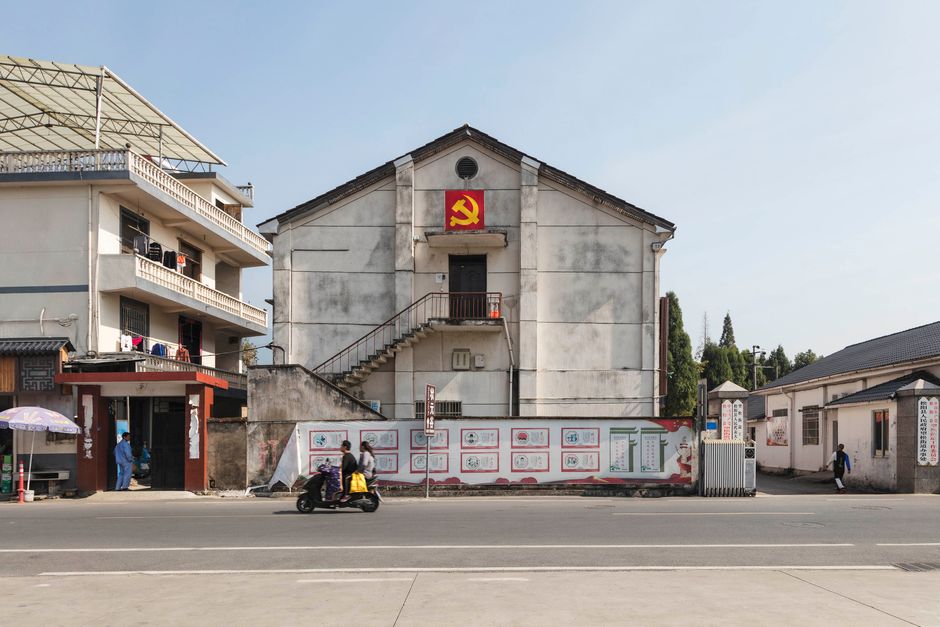
The deliberate choice to install images of Mao and Xi isn’t just a matter of political propaganda; it’s an assertion of a state-imposed cult of personality. It’s a symbolic re-crucifixion, replacing spiritual succor with the visage of the Party, demanding fealty to earthly leaders above all else. This isn’t merely about control; it’s about supplanting spiritual authority entirely, aiming to reframe the very concept of transcendent belief into an instrument of state power.
What doesn’t add up
The most glaring contradiction here is the CCP’s long-standing, if often hollow, rhetoric of religious freedom and ‘socialism with Chinese characteristics.’ For decades, Beijing has paid lip service to allowing religious belief, provided it operates under Party supervision. Yet, this aggressive campaign of forced iconoclasm, as detailed in the Freerepublic.com summary, shreds any pretense of such tolerance. It’s a direct repudiation of any notion that faith can coexist independently alongside Party rule, revealing the ‘socialist characteristics’ to be absolute control.
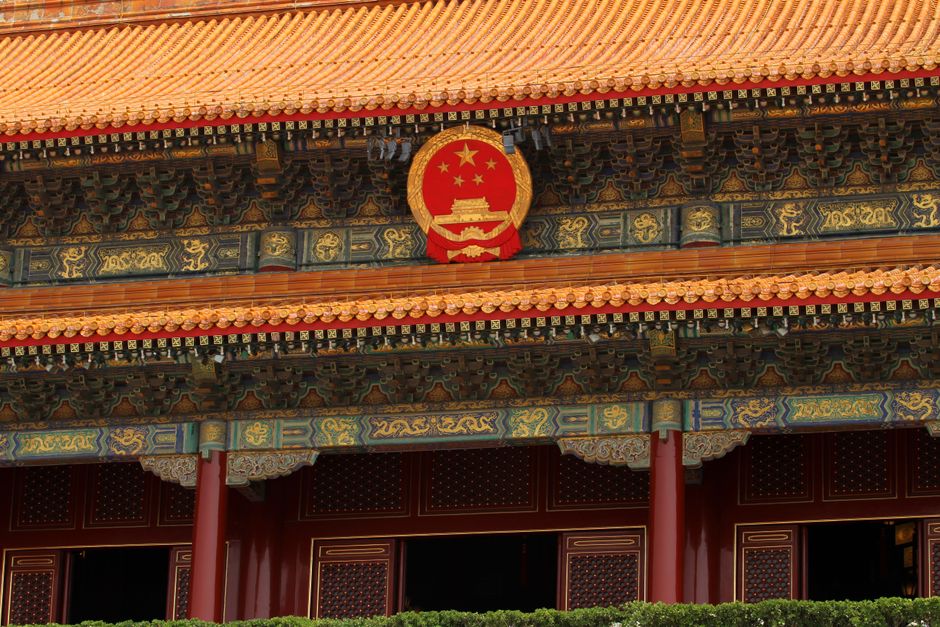
Furthermore, this policy stands in stark contrast to previous attempts by the Vatican to forge a working relationship with Beijing, particularly concerning the appointment of bishops. Such a move undermines any perceived diplomatic progress, demonstrating that the Party views any concession not as a bridge, but as a temporary tactical pause before further encroachment. The ‘on-record statement’ of the Party’s actions speaks louder than any diplomatic assurances or constitutional clauses promising freedom of belief; it reveals a regime committed to total ideological homogenization, at any cost. The policy’s bluntness leaves no room for ambiguity. There’s no sophisticated dodge, no nuanced spin. The Party simply acts, revealing a government that no longer feels the need to offer plausible deniability regarding its intentions. The silence from Beijing on the specifics of this campaign, beyond vague pronouncements about ‘sinicization’ of religion, serves as its own form of evasion, allowing the physical removal of symbols to do the talking.
Come Monday morning, across thousands of churches, the faithful will wake to a grim new reality: a chilling visual reminder that in China, the state demands the soul, not just the body, of its citizens. The Cross may be replaced, but the deep, intractable conflict between state power and spiritual conviction remains.
Source: OnTheRecord