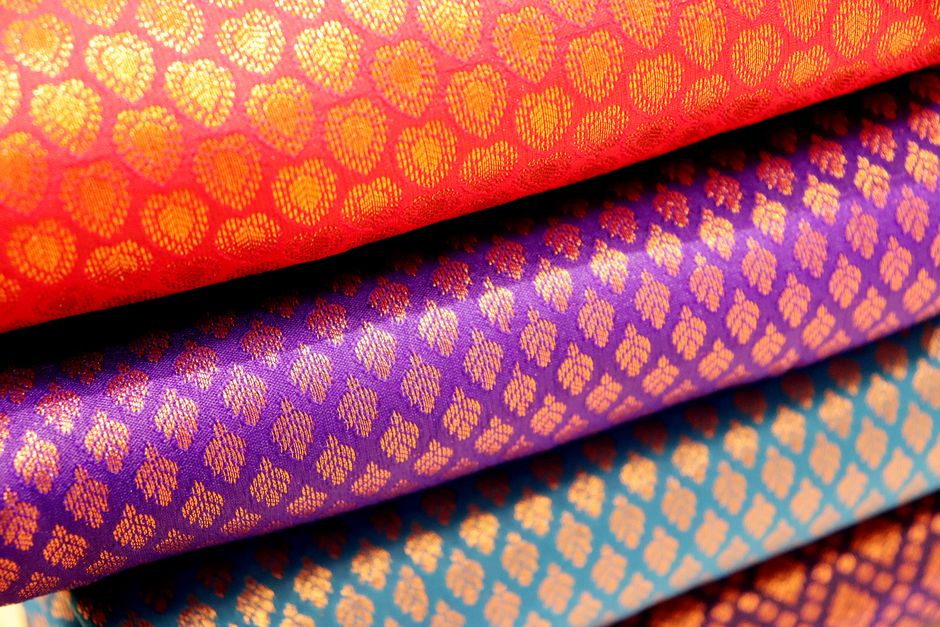
Another luxury label, another collection promising a beautiful marriage of East and West. This time, it’s SHWETAMBARI, poised to launch its Fall Winter 2026 line, claiming to blend “New York modern” with Indian craft. But one has to ask: is this genuine homage, or just a new chapter in a very old story of aesthetic extraction, dressed up in the language of “cultural heritage”?
According to NewsAPI:q, the luxury label’s latest collection, launching in September, aims to celebrate “cultural heritage, original textile design and the importance of the handmade.” The designer brings over two decades of experience in Parisian fashion to this new venture, promising a fusion of sensibilities.
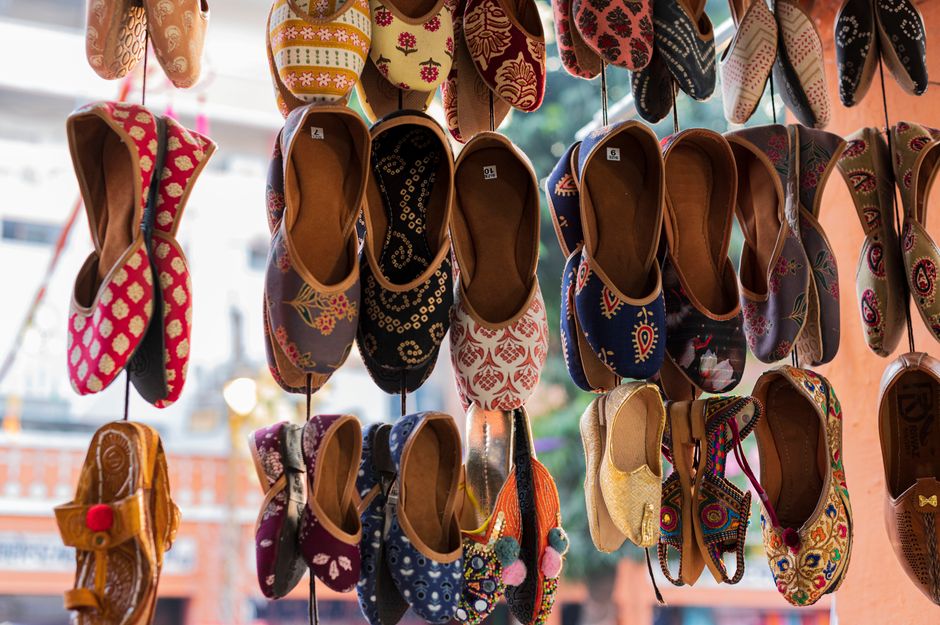
The Global Stage for Indian Craft
India’s textile traditions are not merely ancient; they are foundational to global fashion history. From the intricate weaves of Varanasi to the vibrant block prints of Rajasthan, Indian artisans have shaped aesthetics for centuries, long before terms like “fast fashion” or “sustainable luxury” even existed. European empires, in particular, built much of their early wealth on the trade and, often, the theft of these very crafts. Therefore, when a brand, especially one with a strong presence in fashion hubs like Paris and New York, announces a collection rooted in Indian craft, it immediately raises questions about historical power dynamics.
This isn’t merely about creating pretty clothes; it’s about navigating a complex landscape where traditional techniques meet global capitalism. The narrative of “East meets West” has been a consistent trope in fashion, sometimes leading to genuine, empowering collaborations, but often resulting in the commodification of cultural aesthetics without equitable benefit for the original creators. The emphasis on “original textile design” implies innovation, yet one must scrutinize whose originality is truly being centered here. Is it the brand’s interpretation, or are the artisans given true creative agency and fair compensation that reflects their invaluable skill and heritage?
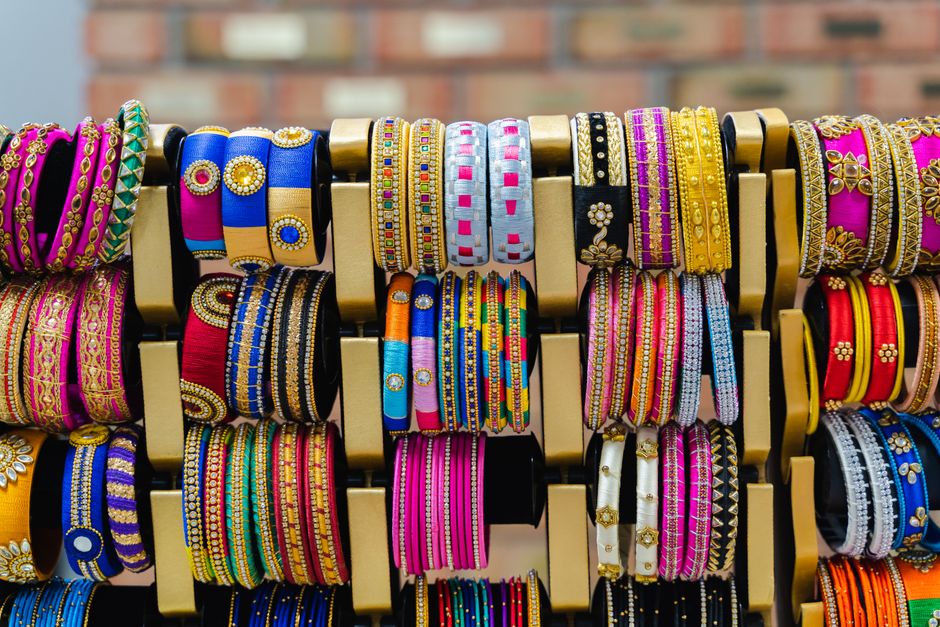
The fashion industry has a voracious appetite for authenticity, and “the handmade” offers a potent antidote to mass production. In a world saturated with digital design and automated manufacturing, the human touch becomes a powerful selling point. However, this idealization of the handmade can inadvertently obscure the often-precarious economic realities of the artisans themselves. Their hands, after all, are the source of this coveted authenticity, yet their names and stories often remain in the shadows while the brand takes center stage.
Modern Luxury or Cultural Leverage?
Here’s the rub: the promise of “New York modern meets Indian craft” sounds appealing, but the devil is always in the details of execution. For a label to truly celebrate cultural heritage, it must move beyond superficial inspiration. It demands genuine, deep-seated collaboration that elevates the artisans, not just their craft. The industry has a long history of “discovering” indigenous techniques, repackaging them for a Western audience, and claiming innovation, often without sufficiently acknowledging or compensating the originators. Is this collection truly about empowering the Indian craftspeople, ensuring their traditions thrive for generations, or is it simply leveraging an aesthetic for a luxury market that fetishizes “exotic” origins?
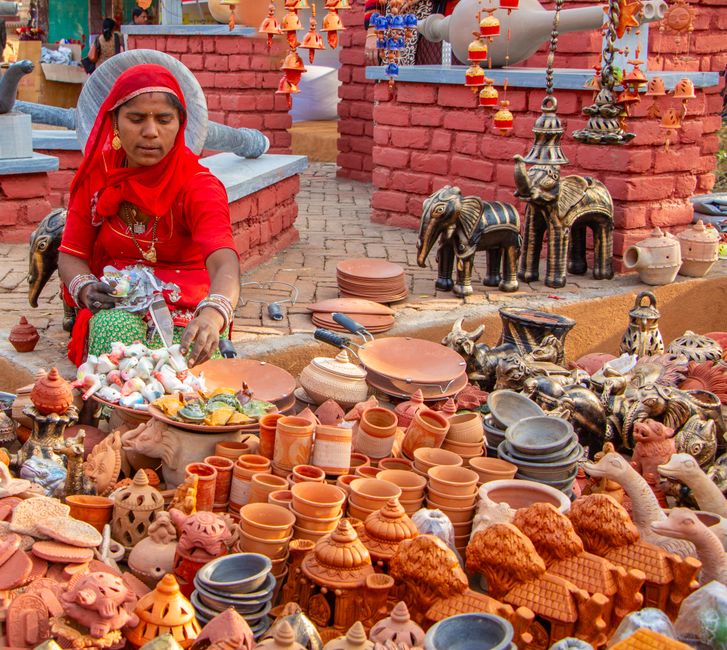
The designer’s “20-plus years of working in fashion in Paris” certainly lends an air of credibility and experience. But experience in the Western fashion establishment doesn’t automatically translate to an understanding of the intricate social and economic fabric that sustains traditional craft communities in India. True celebration requires more than just appreciation; it requires investment, respect for intellectual property, and a commitment to fair trade practices that go beyond mere marketing rhetoric. The “importance of the handmade” becomes hollow if the hands that make it are not adequately valued.
One could argue that any exposure for these crafts is good exposure, opening new markets and sustaining traditions that might otherwise fade. And indeed, if done correctly, such collaborations can be profoundly beneficial, providing vital income streams and global recognition for skilled artisans. However, the path is fraught with the danger of cultural appropriation, where the aesthetic is divorced from its context and its creators are reduced to anonymous labor. Luxury fashion, with its high price points and exclusive clientele, has an even greater responsibility to ensure its supply chain is ethical, transparent, and genuinely reciprocal. Otherwise, “cultural heritage” simply becomes another buzzword to justify inflated prices in the competitive luxury market, especially in places like New York.
So, as SHWETAMBARI gears up for its September launch, the real question isn’t just about the beauty of the designs. It’s about who truly benefits, whose stories are being told, and whether this collection will genuinely uplift Indian craft or merely exploit its rich legacy for another season of “modern” luxury. Will it be a partnership of equals, or just another instance of a powerful industry reaching out to extract what it needs?
Source: NewsAPI:q