Here’s a piece of uncomfortable **news**: we are already littering the moon. No, not with discarded flagpoles or forgotten lunar rovers, but with the refuse of our ambition. A rocket booster, an inert piece of human-made junk, is about to make an unplanned impact.
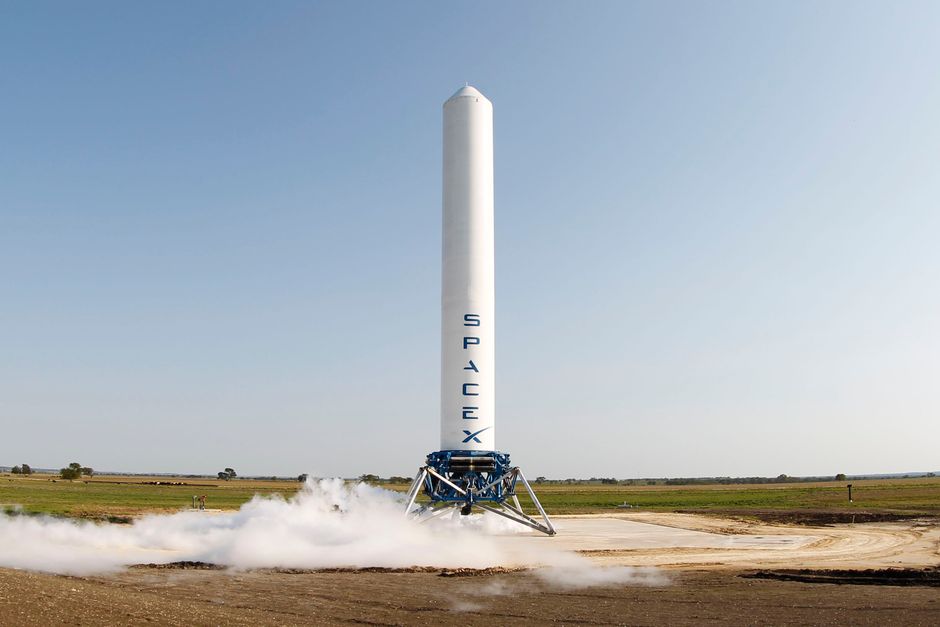
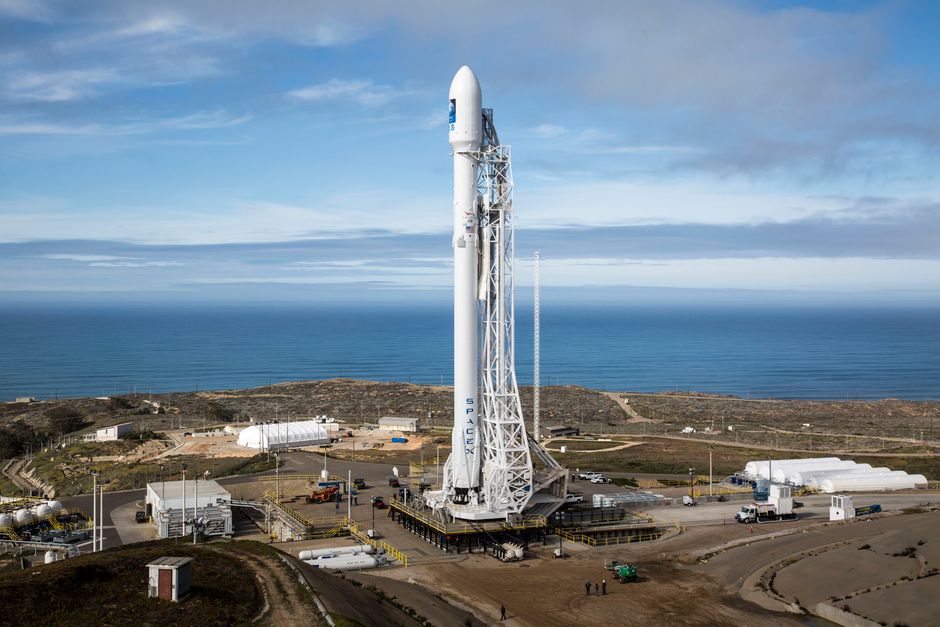
According to CBS News, a SpaceX rocket booster is on a 5,400-mph collision course with the moon. While the impact itself won’t be visible to the naked eye, lunar satellites are expected to capture photos of the event at a later time. This isn’t just a quirky astronomical footnote; it’s a stark reminder of our expanding footprint beyond Earth.
The Real News About Space Debris
This impending lunar collision isn’t some freak accident. It’s a direct consequence of the accelerating space race, one increasingly driven by private enterprise. For decades, space exploration was largely the domain of national governments, operating with at least some veneer of international cooperation and oversight. Now, commercial entities like SpaceX are launching payloads with unprecedented frequency, chasing deadlines and profit margins.
The sheer volume of launches has created a growing problem: space junk. We’ve long worried about defunct satellites and spent rocket stages cluttering Earth orbit. This latest incident, however, pushes the boundary much further, demonstrating our capacity to pollute even celestial bodies far from home. It raises critical questions about responsibility and the long-term implications of our extraterrestrial activities.
Who owns the moon, anyway? Technically, no one, thanks to the 1967 Outer Space Treaty, which prohibits national appropriation. But what about the debris from private companies operating under national flags? This legal gray area allows for a convenient lack of accountability, paving the way for more such incidents.
Who Cleans Up Our Mess?
This isn’t just about a piece of metal hitting a rock. It’s a philosophical statement, a disturbing precedent. The moon, once a pristine symbol of aspiration and wonder, is now becoming another receptacle for humanity’s industrial waste. This particular piece of **news** is just the beginning if we don’t act.
The mainstream narrative often celebrates these commercial space ventures as triumphs of innovation and human ingenuity. Indeed, they are pushing boundaries and making space more accessible. However, this uncritical enthusiasm frequently overlooks the inconvenient truths about the environmental costs, even in the vacuum of space. The lack of a robust international framework for managing space debris, particularly that which escapes Earth’s orbit, is a glaring oversight.
What happens when future lunar missions, perhaps seeking resources or establishing permanent bases, have to navigate a cosmic junkyard? What if future scientific instruments, designed to study the moon’s pristine surface, are instead contaminated by unexpected impacts? The impact might be small in the grand scheme of the moon’s existence, but it’s significant for humanity’s perceived role as stewards of the cosmos.
This collision highlights the urgent need for global dialogue and enforceable regulations. We can’t simply launch, discard, and forget, assuming the vastness of space will absorb our refuse without consequence. We need to decide what kind of legacy we want to leave in the solar system. Otherwise, the **news** will increasingly be about the messes we’re making, not the marvels we’re discovering. The moon shouldn’t be our cosmic trash can. We need to do better.
Source: NewsAPI:us