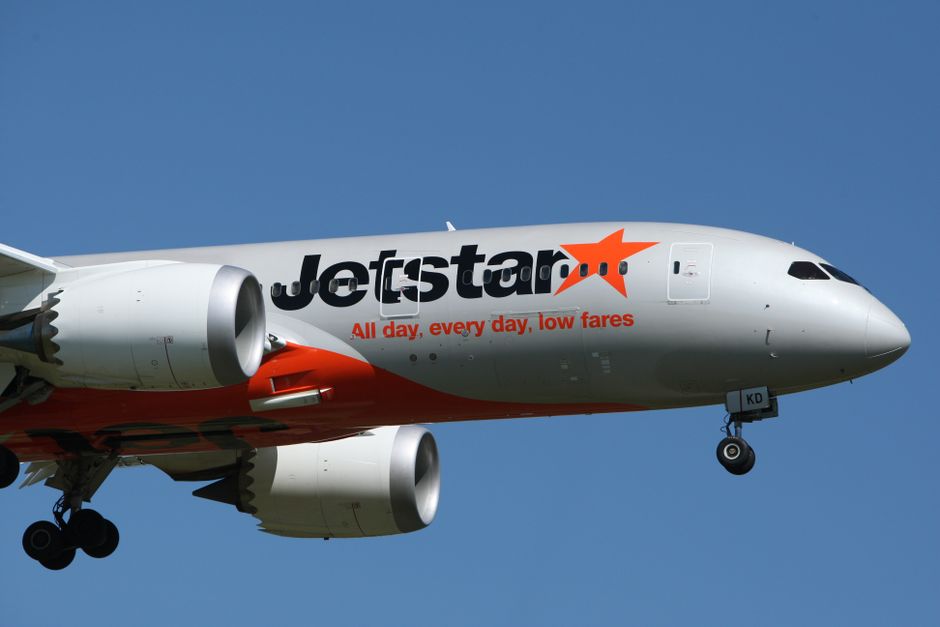
Another day, another airline finds a new way to pick your pocket. The latest target? The sacred overhead bin. If you thought your ticket bought you the right to store a modest carry-on above your seat, think again. **Jetstar** has just fired a warning shot across the bow of budget travel, redefining what a basic airfare actually covers.
According to BBC Asia, the Australian low-cost carrier has introduced new fees for carry-on luggage stored in overhead lockers. This move has predictably ignited a firestorm, with many Australians expressing outrage, while an equally vocal contingent declares it’s “about time” passengers are charged for larger bags.
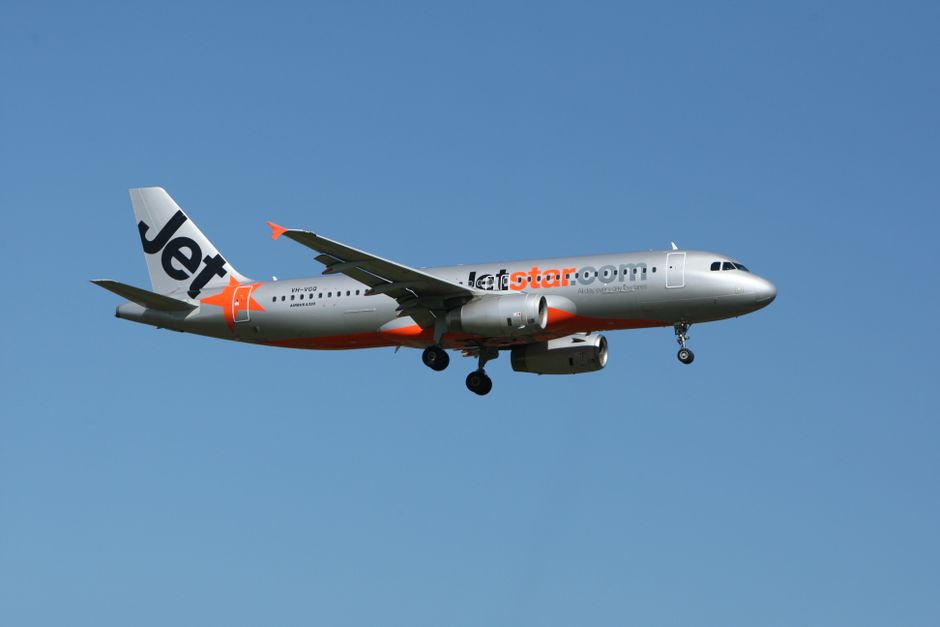
The Unbundling of Air Travel and Jetstar’s Playbook
This isn’t just a new charge; it’s a calculated escalation in the long, slow unbundling of air travel. For decades, a plane ticket represented a bundle of services: a seat, a meal, checked luggage, and, yes, a spot for your carry-on. Gradually, piece by piece, airlines — especially budget carriers like Jetstar — have stripped away these inclusions, turning each amenity into an à la carte option. First, it was checked bags, then seat selection, then meals, and now, finally, the overhead bin.
This trend, often pioneered in Western markets, quickly finds its way to South Asia, where budget airlines are thriving and travelers are acutely sensitive to price. What Jetstar does today, many airlines in India, Pakistan, or Bangladesh might consider tomorrow. The underlying logic is simple: offer a rock-bottom headline fare, then make up the difference (and more) with an array of optional charges. Passengers, fixated on the initial low price, often overlook the hidden costs until it’s too late, creating a lucrative revenue stream for the airline. This strategy exploits a fundamental psychological bias, making consumers feel like they’re getting a deal even as the total cost of their journey creeps ever higher.
The current situation is also a symptom of crowded cabins and the perennial battle for overhead space. Passengers, desperate to avoid checked bag fees and the associated wait times, have been pushing the limits of what constitutes “carry-on,” often bringing oversized items that clog aisles and delay boarding. From the airline’s perspective, this new fee is a way to incentivize smaller bags or, failing that, monetize the problem. However, it also punishes the responsible traveler who genuinely adheres to size limits but still needs the overhead space.
The Cost of Convenience: Who Really Wins with Jetstar’s New Fees?
Let’s be clear: this new fee isn’t about improving your travel experience. It’s about increasing the bottom line. Jetstar, like its budget counterparts globally, operates on razor-thin margins and is constantly seeking new ways to generate ancillary revenue. By turning the overhead locker into a premium service, they achieve several goals. First, they add a direct revenue stream. Second, they might reduce the number of large bags brought onboard, potentially speeding up boarding and turnaround times – which, for a budget airline, translates directly into more flights and more profit.

The winners here are unequivocally the airlines and their shareholders. Passengers, on the other hand, lose. They lose the perceived value of their ticket, they lose convenience, and they lose the simplicity of travel. What was once a basic expectation is now an extra, an additional line item on an already expanding list of charges. This move sets a dangerous precedent. If the overhead bin is now fair game for charging, what’s next? A fee for using the lavatory? A surcharge for reclining your seat? A “legroom premium” for simply not being jammed against the seat in front of you?
While some argue it’s “about time” people pay for their bulky bags, this perspective misses the larger point. The issue isn’t whether people should pay for extra services; it’s about the ever-shrinking definition of what a basic service entails. Airlines are systematically dismantling the very concept of an all-inclusive fare, leaving travelers feeling nickel-and-dimed at every turn. This creates a deeply frustrating and often confusing booking process, where the advertised price is a fantasy, and the true cost remains hidden until the final click. Moreover, it places an additional burden on travelers, particularly those in price-sensitive markets like South Asia, who are often traveling with families or for extended periods, making carry-on space a necessity, not a luxury. The move by Jetstar is not an isolated incident; it’s a bellwether for the future of budget air travel across the globe.
So, what does this mean for the future of flying? Prepare to pay more for less. The race to the bottom in base fares will continue, but it will be accompanied by an increasingly elaborate labyrinth of fees for everything else. Your next flight might just include a charge for the air you breathe inside the cabin.
Source: BBC Asia