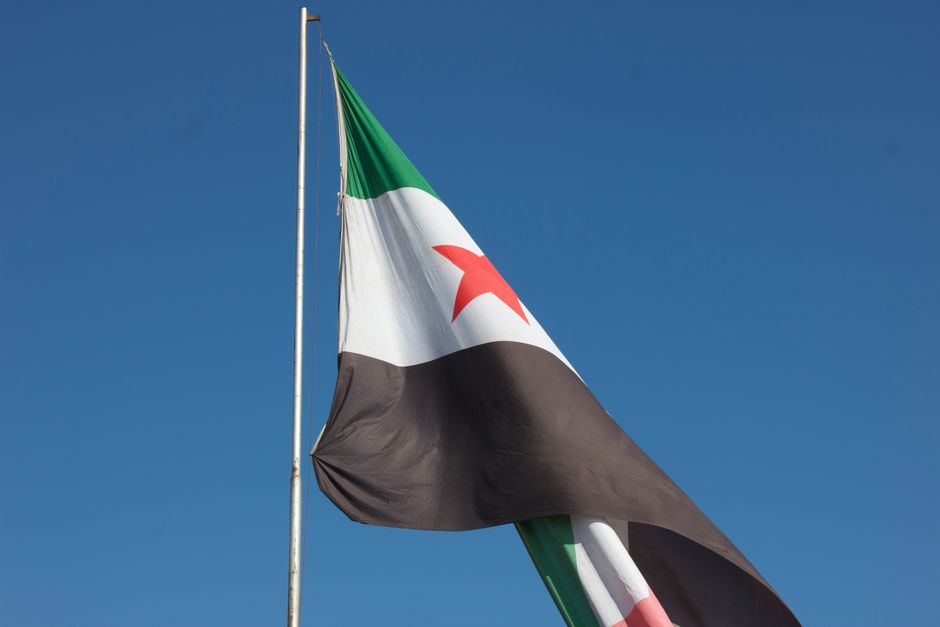
President Sharaa’s recent Al Jazeera appearance attempts to recast Syria’s narrative, but the touted “ideological reassessment” rings hollow against a decade of grim reality.
The interview saw President Sharaa sit down with Al Jazeera, a platform that, ironically, has often been a conduit for voices critical of his administration. The timing is hardly coincidental: Syria remains a nation fractured, isolated on the global stage, and grappling with a humanitarian crisis of immense proportions. Against this backdrop, Sharaa’s decision to present an updated vision of governance to an international audience, as reported by The Syrian Observer, feels less like a genuine moment of introspection and more like a carefully calibrated exercise in damage control and rehabilitation. The goal, it appears, is to signal a new chapter without necessarily closing the book on the old one.
What landed
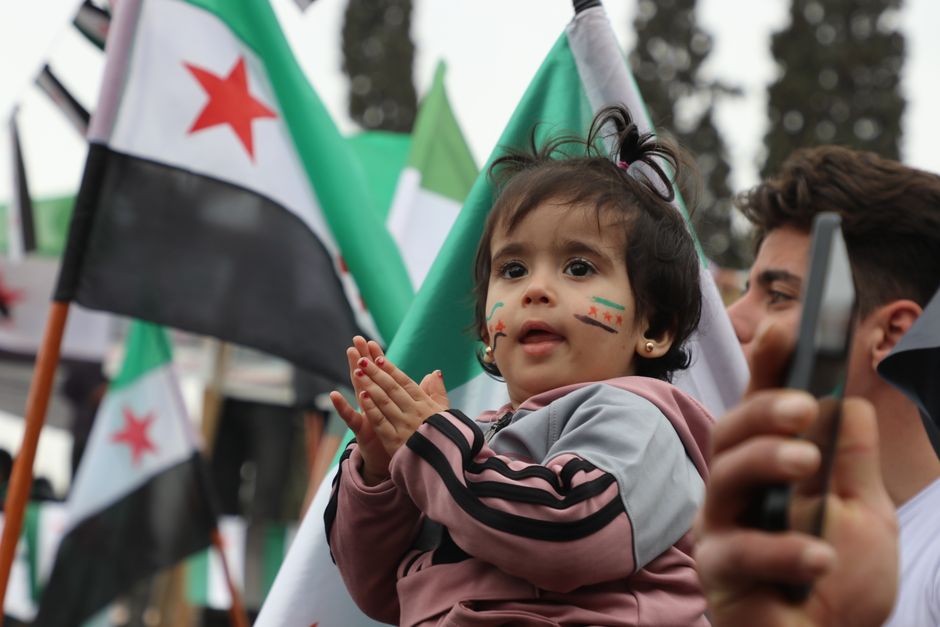
Sharaa, according to The Syrian Observer, outlined a grand “transitional trajectory” for Syria, painting a picture of a nation moving purposefully towards a brighter, more stable future. He spoke of an “emerging governance model,” implying significant structural shifts designed to address the challenges that have plagued the country. Perhaps the boldest claim was the assertion of an “ideological reassessment” within the leadership – a suggestion that the bedrock principles that have defined the regime for decades are now subject to re-evaluation.
These pronouncements, if taken at face value, would represent a dramatic departure from the unwavering stance historically maintained by Damascus. The President’s rhetoric aimed to project an image of adaptability and forward-thinking leadership, ostensibly ready to steer Syria into a new era. The very act of engaging with Al Jazeera, an outlet with a wide reach, suggests a calculated effort to bypass traditional diplomatic channels and speak directly to a broader international and regional audience, perhaps testing the waters for renewed engagement. He presented a vision of self-correction, a regime acknowledging the need for change without explicitly admitting to past missteps or systemic failures.
What doesn’t add up
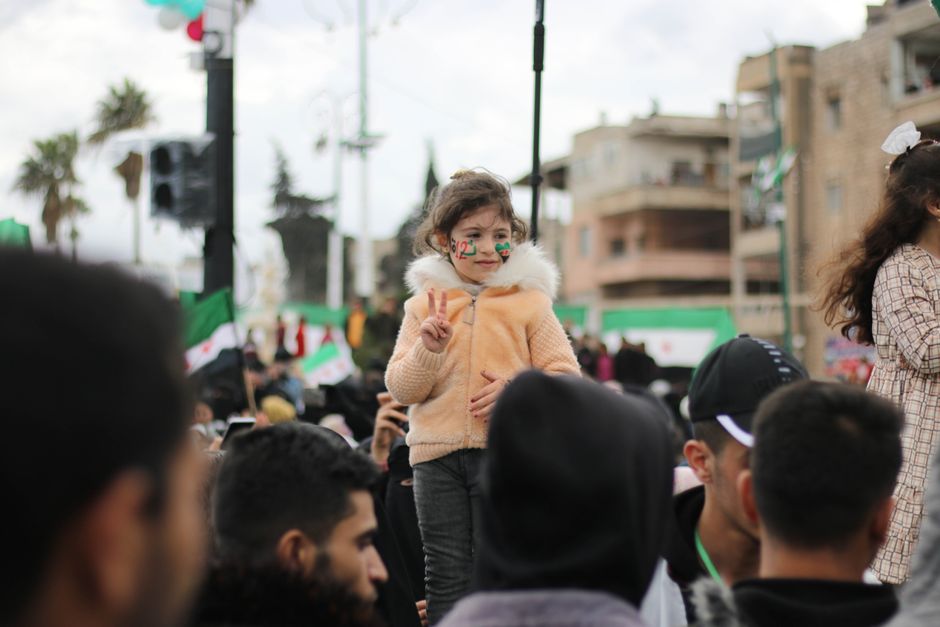
The chasm between President Sharaa’s sweeping statements and the grinding reality on the ground is vast, and the interview offers little to bridge it. The “transitional trajectory” remains stubbornly undefined. A transition *from* what, precisely, and *to* what specific end? The vague promise of an “emerging governance model” lacks any concrete proposals for how this new system would differ from the entrenched power structures that have brought Syria to its current state. Where are the details on accountability, political inclusivity, or genuine power-sharing that would signal a true departure? The interview, as reported, sidestepped these crucial specifics, leaving the audience to infer meaning from rhetorical flourishes.
More jarring still is the claim of an “ideological reassessment.” For a regime built on a remarkably consistent, and often rigid, set of principles, the idea of a sudden ideological pivot strains credulity. Which core tenets are being re-examined? What specific beliefs are being jettisoned or embraced? The interview, regrettably, provided no discernible answers. It’s difficult to reconcile this purported internal shift with the regime’s continued actions and its historical resistance to external pressure for reform. Without transparent evidence of changes in policy, practice, or personnel, this “reassessment” feels less like a genuine evolution and more like a carefully crafted semantic exercise designed to assuage critics and court international favour. The cynical observer might suggest this is merely a rebranding effort, a glossy new paint job on a house whose foundations remain deeply troubled. It’s an interview for an audience beyond Syria’s borders, aimed at cultivating an illusion of movement where there is, demonstrably, stasis.
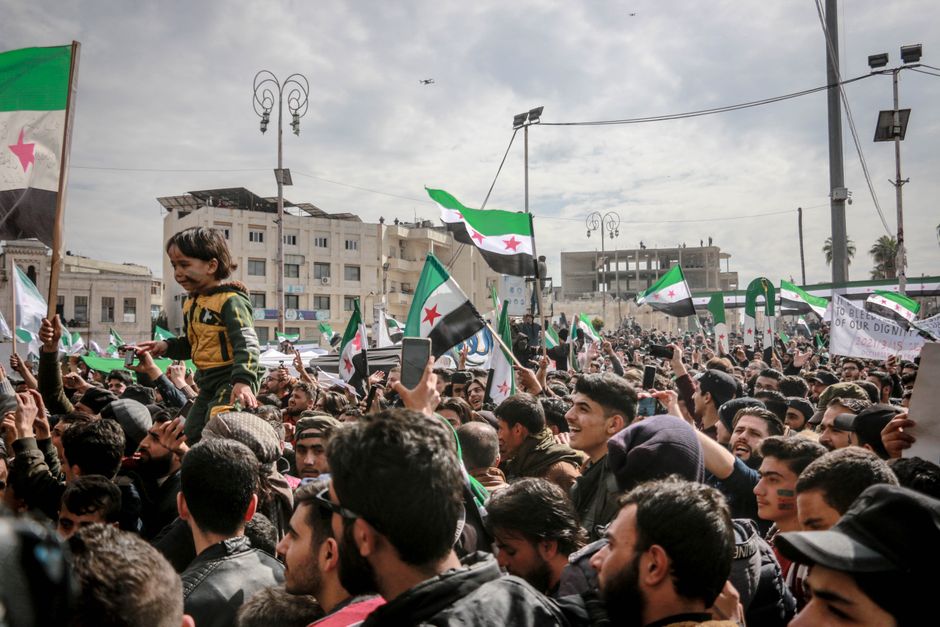
Monday morning, the pronouncements from this Al Jazeera interview will likely echo across diplomatic corridors, but the real test will be whether they translate into tangible shifts on the ground. Until concrete steps towards genuine political reform, human rights, and accountability are taken, President Sharaa’s vision of a new Syria, however artfully articulated, will remain just that: a vision, disconnected from the harsh realities faced by millions. The world, surely, requires more than just a renewed narrative; it demands demonstrable change.
Source: Google — Leader interviews