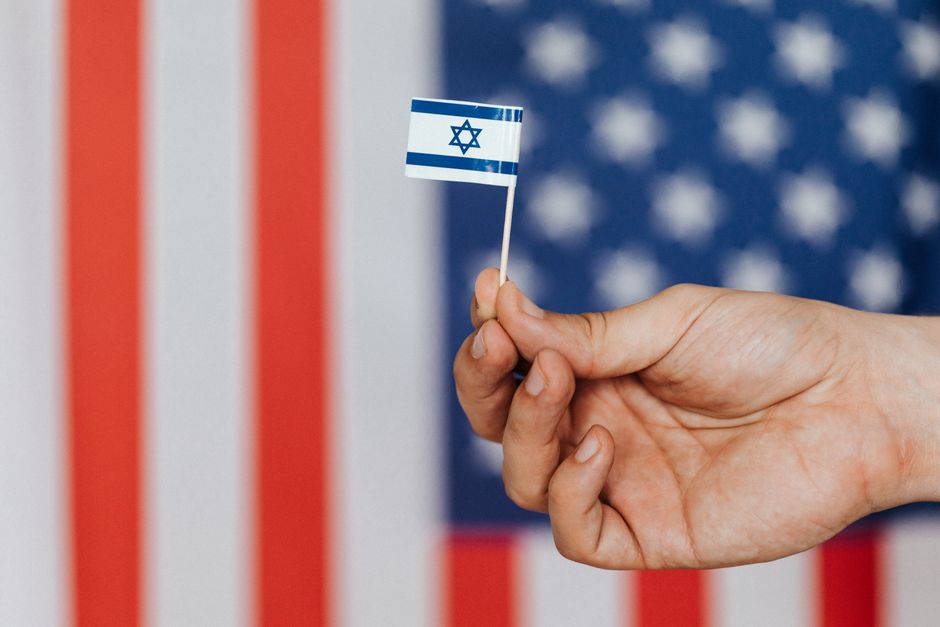
As the world shifts its gaze towards the latest developments in UK and US politics, a poignant reminder of the complexities of Middle Eastern relations has emerged, courtesy of a new statue in Uganda dedicated to Yonatan Netanyahu, the brother of Israel’s current Prime Minister. The unveiling of this statue serves as a stark reminder of the intricate web of alliances and conflicts that define the region, with Israel at its center. According to BBC Middle East, Yonatan Netanyahu was the only Israeli soldier to die during the 1976 Entebbe rescue mission, a daring operation that freed over 100 hostages.
This heroic act of bravery has been etched in the annals of history, and its significance extends beyond the realm of military operations, speaking to the very fabric of Israel’s foreign policy and its relationships with neighboring countries. Meanwhile, the fact that Uganda has chosen to honor Yonatan Netanyahu in such a manner highlights the evolving nature of diplomatic ties between African nations and Israel.
Israel and the Middle East: A Delicate Balance
The Middle East is a region notorious for its delicate balance of power, with Israel often finding itself at the epicenter of geopolitical tensions. As the Israeli government navigates this treacherous landscape, it must contend with a myriad of competing interests and alliances, all while maintaining a strong stance on issues such as national security and territorial sovereignty. However, this balancing act is fraught with challenges, particularly when considering the Palestinian question and the role of other regional players, such as Iran and Turkey. In fact, the very presence of an Israeli statue in Uganda underscores the resourcefulness and pragmatism that have come to define Israel’s foreign policy approach, as it seeks to forge new partnerships and bolster existing ones.
In the context of the Entebbe rescue mission, it becomes clear that Israel’s actions were motivated by a desire to protect its citizens, while also demonstrating its military prowess to the world. As a result, the operation has been hailed as a masterpiece of strategic planning and execution, with Yonatan Netanyahu’s sacrifice serving as a powerful symbol of Israel’s unwavering commitment to its people. On the other hand, critics have argued that the mission was a brazen display of Israeli aggression, highlighting the need for a more nuanced understanding of the complexities at play.
The Legacy of Yonatan Netanyahu and Israel’s National Identity
The decision to erect a statue in honor of Yonatan Netanyahu speaks to the enduring legacy of the Entebbe rescue mission, and the significant role it has played in shaping Israel’s national identity. As the country continues to grapple with the challenges of the modern era, it is clear that the values of courage, determination, and sacrifice embodied by Yonatan Netanyahu remain an integral part of Israel’s collective psyche. Therefore, it is essential to consider the ways in which this legacy continues to influence Israel’s interactions with the global community, particularly in the realm of diplomacy and international relations.
However, as we reflect on the significance of this statue, it is also important to acknowledge the potential implications for Israel’s relationships with other nations, particularly those in the Middle East. In fact, the reaction to this development from countries such as Palestine, Iran, and Turkey will be closely watched, as it may shed light on the evolving dynamics of regional politics. Meanwhile, the Israeli government must balance its desire to commemorate Yonatan Netanyahu’s heroism with the need to maintain a delicate balance of power in the region, all while navigating the complex web of alliances and rivalries that define the Middle East.
Israel and the Global Community: A New Era of Cooperation
As the world becomes increasingly interconnected, it is clear that Israel’s relationships with other nations will play a critical role in shaping its future. In this context, the statue of Yonatan Netanyahu serves as a powerful reminder of the country’s unwavering commitment to its values and principles, even in the face of adversity. As a result, it is essential to consider the ways in which Israel can leverage its unique position in the Middle East to forge new partnerships and strengthen existing ones, particularly with nations in Africa and beyond. However, this will require a delicate balancing act, as Israel navigates the complex landscape of global politics, all while maintaining its strong ties with traditional allies, such as the United States and the United Kingdom.
Ultimately, the unveiling of the Yonatan Netanyahu statue in Uganda serves as a poignant reminder of the enduring legacy of the Entebbe rescue mission, and the significant role it has played in shaping Israel’s national identity. As the country continues to evolve and grow, it is clear that the values of courage, determination, and sacrifice embodied by Yonatan Netanyahu will remain an integral part of Israel’s collective psyche, guiding its interactions with the global community and informing its approach to international relations. In fact, as we look to the future, it is likely that Israel will continue to play a significant role in shaping the dynamics of the Middle East, and its relationships with other nations will be critical in determining the course of regional and global events.
As we move forward, it will be essential to consider the ways in which Israel’s actions and decisions impact the broader region, and the global community as a whole. In this context, the statue of Yonatan Netanyahu serves as a powerful symbol of Israel’s unwavering commitment to its values and principles, and its determination to forge a new path in the complex and often treacherous landscape of the Middle East. However, it is also important to acknowledge the potential challenges and controversies that may arise, particularly in the realm of diplomacy and international relations.
In the end, the true significance of the Yonatan Netanyahu statue will depend on Israel’s ability to navigate the complex web of alliances and rivalries that define the Middle East, all while maintaining its strong ties with traditional allies and forging new partnerships with nations around the world. As the country continues to evolve and grow, it is clear that the values of courage, determination, and sacrifice embodied by Yonatan Netanyahu will remain an integral part of Israel’s collective psyche, guiding its interactions with the global community and informing its approach to international relations. Therefore, it will be essential to watch Israel’s actions and decisions closely, as they will likely have a significant impact on the course of regional and global events.
As the world watches Israel’s next move, one thing is certain: the country’s relationships with other nations will play a critical role in shaping its future, and the legacy of Yonatan Netanyahu will continue to inspire and guide its actions. In fact, the fact that Uganda has chosen to honor Yonatan Netanyahu in such a manner highlights the evolving nature of diplomatic ties between African nations and Israel, and underscores the resourcefulness and pragmatism that have come to define Israel’s foreign policy approach.
The question on everyone’s mind now is: what’s next for Israel, and how will its actions impact the delicate balance of power in the Middle East? Only time will tell, but one thing is certain: Israel will continue to play a significant role in shaping the dynamics of the region, and its relationships with other nations will be critical in determining the course of regional and global events. As a result, it is essential to consider the ways in which Israel can leverage its unique position in the Middle East to forge new partnerships and strengthen existing ones, particularly with nations in Africa and beyond.
In conclusion, the unveiling of the Yonatan Netanyahu statue in Uganda serves as a poignant reminder of the enduring legacy of the Entebbe rescue mission, and the significant role it has played in shaping Israel’s national identity. As the country continues to evolve and grow, it is clear that the values of courage, determination, and sacrifice embodied by Yonatan Netanyahu will remain an integral part of Israel’s collective psyche, guiding its interactions with the global community and informing its approach to international relations. Therefore, it will be essential to watch Israel’s actions and decisions closely, as they will likely have a significant impact on the course of regional and global events.
The legacy of Yonatan Netanyahu will continue to inspire and guide Israel’s actions, as the country navigates the complex landscape of global politics. In fact, the fact that Uganda has chosen to honor Yonatan Netanyahu in such a manner highlights the evolving nature of diplomatic ties between African nations and Israel, and underscores the resourcefulness and pragmatism that have come to define Israel’s foreign policy approach. As a result, it is clear that Israel will continue to play a significant role in shaping the dynamics of the Middle East, and its relationships with other nations will be critical in determining the course of regional and global events.
The future of Israel and its relationships with other nations is uncertain, but one thing is clear: the country’s actions and decisions will have a significant impact on the course of regional and global events. Therefore, it is essential to consider the ways in which Israel can leverage its unique position in the Middle East to forge new partnerships and strengthen existing ones, particularly with nations in Africa and beyond. In fact, the unveiling of the Yonatan Netanyahu statue in Uganda serves as a powerful reminder of the enduring legacy of the Entebbe rescue mission, and the significant role it has played in shaping Israel’s national identity.
As we look to the future, it is clear that Israel will continue to play a significant role in shaping the dynamics of the Middle East, and its relationships with other nations will be critical in determining the course of regional and global events. The legacy of Yonatan Netanyahu will continue to inspire and guide Israel’s actions, as the country navigates the complex landscape of global politics. In fact, the fact that Uganda has chosen to honor Yonatan Netanyahu in such a manner highlights the evolving nature of diplomatic ties between African nations and Israel, and underscores the resourcefulness and pragmatism that have come to
Source: BBC Middle East