How many more times will the promise of peace be shattered by the cold reality of death in Pakistan’s Swat Valley? It’s a question that hangs heavy in the air, a grim echo from a region that has known little respite from violence. Each time a community dares to hope for stability, an explosion serves as a brutal reminder of the forces that profit from chaos, claiming innocent lives and extinguishing optimism.
According to The Hindu, an explosion ripped through a Swat Peace Rally on Sunday, August 2, 2026, in Kabal town, Swat district, directly across from a police station. The tragic incident has since seen its death toll climb to a horrifying 17, leaving countless others injured and a community once again in mourning.
The Lingering Shadow of Death in Swat
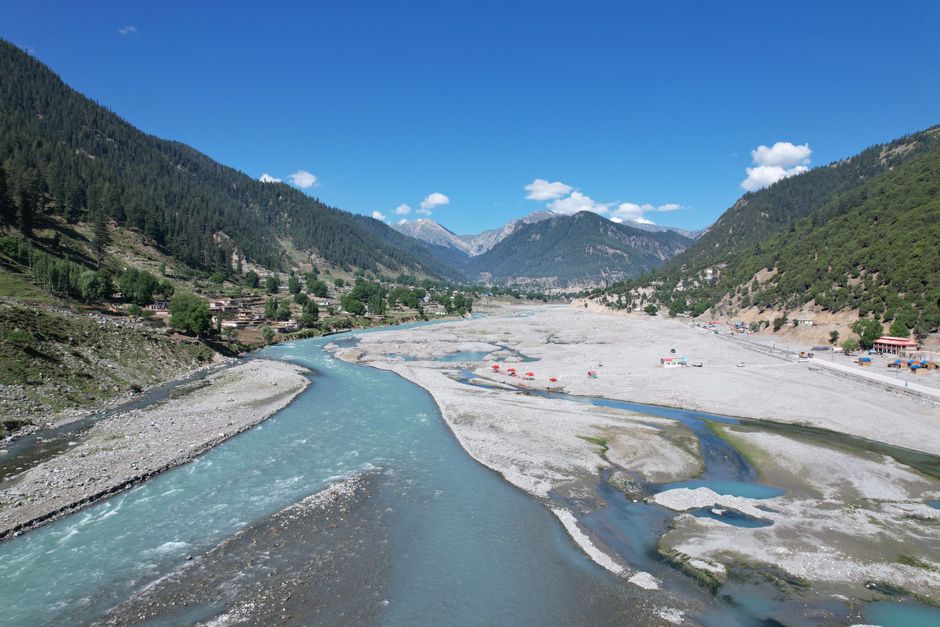
This isn’t an isolated incident; it’s a chilling chapter in Swat’s tortured history, a valley that once boasted a vibrant tourism industry but became synonymous with militant control. For years, the region was a battleground, caught in the vice grip of extremist groups like the Tehrik-i-Taliban Pakistan (TTP), which imposed their draconian interpretations of law. The people of Swat have lived through military operations, fragile peace deals, and the constant threat of a resurgence.
These peace rallies, often organized by local elders and civil society, are more than just gatherings; they are symbolic acts of defiance against militancy, a collective plea for normalcy. To target such an event, especially one taking place in broad daylight, directly opposite a police station, speaks volumes. It’s a calculated act designed to instill maximum fear, to dismantle any nascent trust in security, and to prove that even in supposedly “secure” areas, the shadow of death remains a potent weapon.
The perpetrators, though not explicitly named in the immediate aftermath, clearly aim to destabilize the region further. They seek to undermine the government’s narrative of progress and control, asserting their twisted authority through terror. This attack is a direct challenge to the state’s writ, a bloody punctuation mark on a long, arduous sentence of conflict.
Pakistan’s Fragile Peace: An Uncomfortable Truth
Let’s be clear: this isn’t just a local tragedy; it’s an uncomfortable truth about the state of peace in Pakistan’s northwestern regions. The repeated assurances of security from Islamabad often ring hollow when such brazen acts of terror continue to claim lives. The mainstream narrative, which frequently highlights successful military operations, often glosses over the persistent, insidious ability of militant groups to regroup, adapt, and strike at the very heart of civilian life.
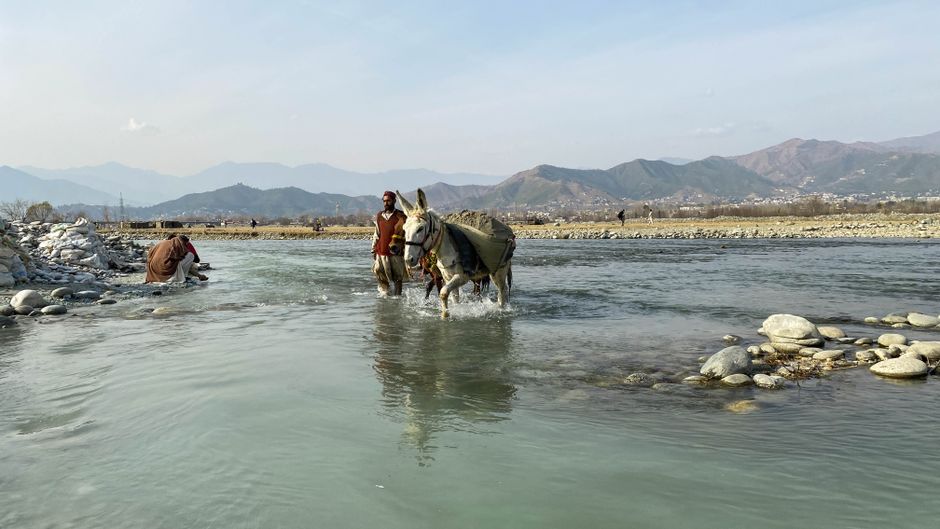
Who truly loses in this relentless cycle of violence? The common people of Swat, who simply yearn for the chance to live without fear, to send their children to school, and to pursue livelihoods. They are the ones paying the ultimate price, caught between state security operations and the brutal tactics of extremists. The perpetrators, however, achieve their primary goal: to sow discord, to prove the government’s vulnerability, and to perpetuate an environment of instability that allows their dark ideology to fester.
This incident exposes the deep cracks in any “peace” that isn’t built on a foundation of genuine security and comprehensive counter-extremism strategies. Military victories are one thing; winning the hearts and minds of a populace haunted by the specter of death is another entirely. The attack suggests a glaring intelligence failure or a worrying resurgence of operational capability by militant elements. It forces us to question whether Pakistan’s strategy to combat extremism is truly effective, or if it merely shifts the problem, rather than eradicating it.
The global community, too, must recognize that instability in regions like Swat has far-reaching consequences. It fuels extremism, creates humanitarian crises, and undermines regional security. Ignoring these localized explosions as mere footnotes would be a grave mistake. They are tremors in a fault line that could fracture wider stability.
Until Pakistan confronts the hydra of extremism with unwavering resolve, not just rhetoric, the specter of death will continue to haunt every fragile step towards peace in places like Swat. The question is not if another attack will happen, but when, and how many more will have to die before genuine security takes root.
Source: The Hindu