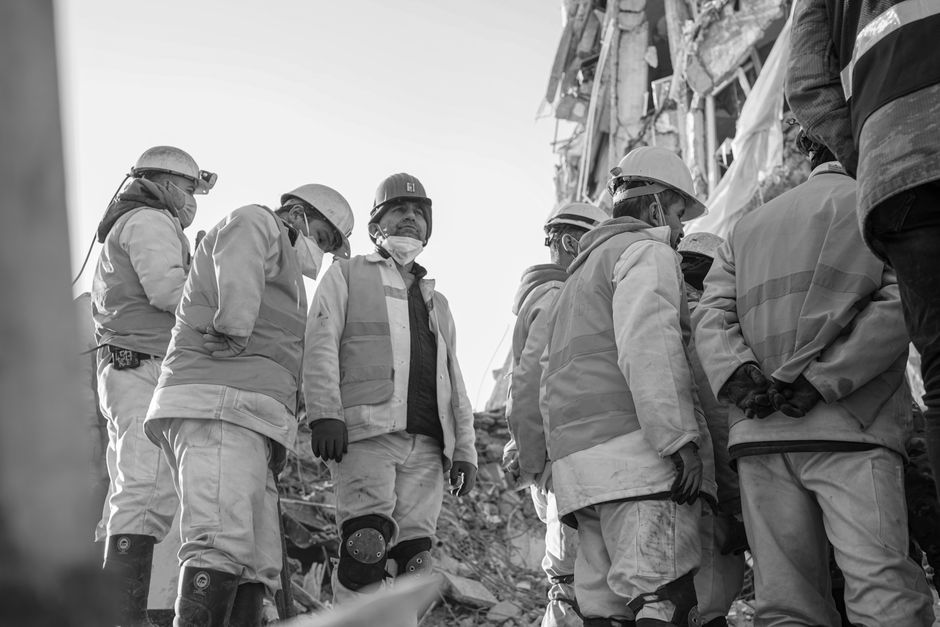
The images coming out of Japan are sobering, a stark reminder that even the most prepared nations can be brought to their knees. A country synonymous with meticulous planning and cutting-edge infrastructure is now grappling with a humanitarian crisis on home soil, one that extends beyond the initial tremors. The sheer scale of suffering, with thousands trapped in sweltering evacuation centres, forces us to question what “resilience” truly means in an age of compounding disasters.
According to BBC Asia, the death toll from the recent earthquake has climbed to 34, while thousands more are struggling to keep cool in overcrowded shelters as temperatures soar across the affected regions. This isn’t just about the earth moving; it’s about the air itself becoming a weapon.
Japan’s Double Jeopardy and Regional Echoes
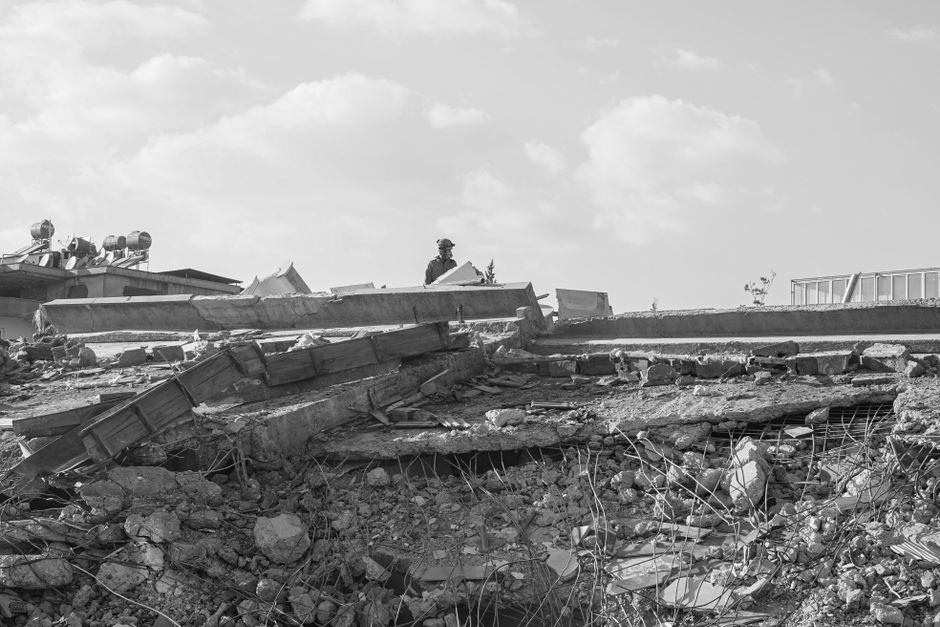
Japan sits precariously on the Pacific Ring of Fire, a geological reality that has forged a society obsessed with earthquake preparedness. Its building codes are legendary, its early warning systems sophisticated, and its citizens drilled in disaster response. However, this current calamity highlights a new, terrifying dimension: the simultaneous assault of a natural disaster and extreme heat. This dual threat stretches resources thin and complicates recovery efforts immensely. The very shelters meant to offer safety are becoming health hazards.
This crisis in Japan offers a chilling preview for other densely populated, disaster-prone regions, particularly across South Asia. Countries like India, Pakistan, and Bangladesh frequently contend with seismic activity, devastating floods, and increasingly brutal heatwaves. If a nation as advanced as Japan finds itself overwhelmed, what does it truly say about the readiness of others with fewer resources and less robust infrastructure? The unfolding situation should serve as an urgent call to action, demanding a re-evaluation of disaster preparedness strategies that must now account for a future defined by multiple, simultaneous environmental threats. The world is watching to see how quickly Japan can adapt its world-renowned systems to this new, hotter normal.
The Uncomfortable Truth of Global Preparedness
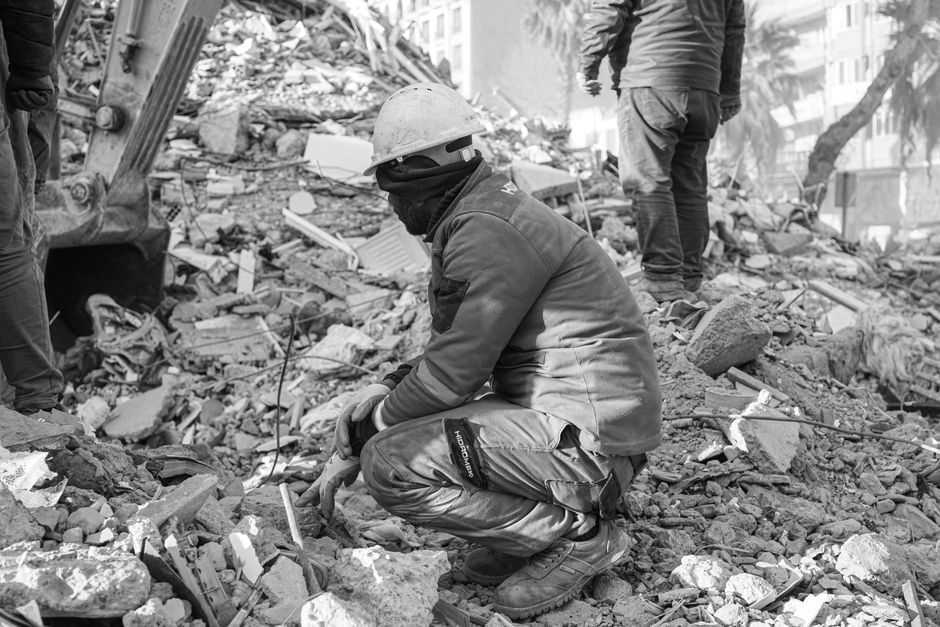
Let’s be blunt: the narrative of Japan’s unwavering resilience, while inspiring, can also mask uncomfortable truths. When basic needs like stable temperatures and adequate cooling cannot be met in emergency shelters, it exposes a critical vulnerability. The most vulnerable – the elderly, the very young, and those with pre-existing health conditions – are always the first to pay the price. They are not merely statistics; they are human beings trapped in a system that, for all its sophistication, failed to anticipate the combined ferocity of tectonic plates and a warming climate.
Mainstream commentary often focuses on the immediate devastation, but the deeper issue here is the systemic failure to integrate climate change adaptation into existing disaster frameworks. The heat isn’t an afterthought; it’s an intrinsic part of the disaster equation now. Who wins in this scenario? Frankly, no one. The human cost is immense, and the economic burden of recovery will be staggering. As Monday approaches, political leaders in disaster-prone regions, especially in South Asia, must consider the implications for their own national budgets and disaster response plans. Will this tragedy finally force a serious commitment to comprehensive, climate-integrated disaster planning, or will it be business as usual, with a few more thoughts and prayers offered? The stakes for millions of people hang in the balance.
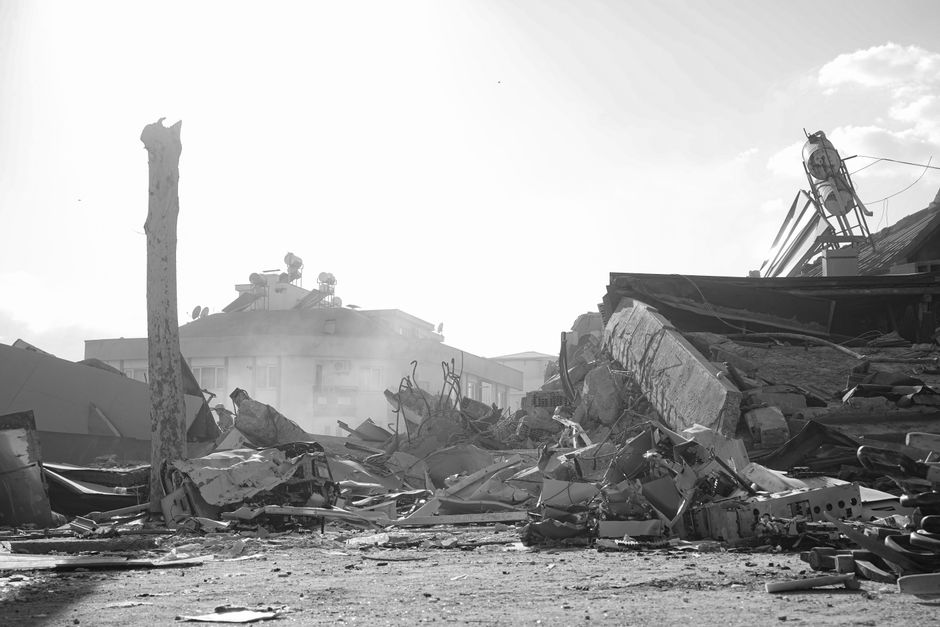
The world’s perception of preparedness is being redefined in the crucible of Japan’s current struggle. We must ask ourselves: if the best can still falter, what hope do the rest have? This isn’t just a local tragedy; it’s a global warning.
Source: BBC Asia