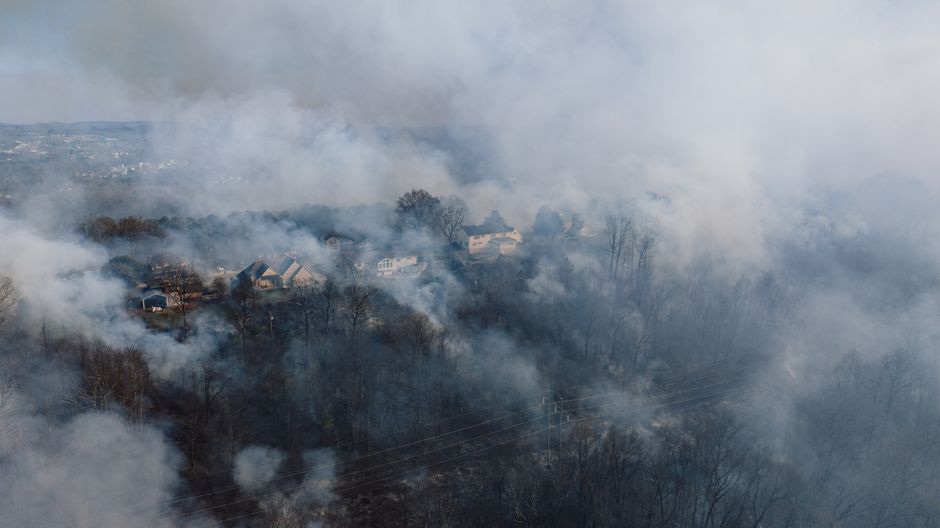
As the smoke billows from the charred forests of France, a stark truth hangs heavy in the air, one that too many still refuse to confront: this isn’t just Europe’s problem, it’s a global harbinger, and America needs to pay attention. We are witnessing a terrifying preview of our own potential future, yet the urgency in Washington remains conspicuously absent.
According to AP News, Jean-François Pauner is one of many selfless volunteers aiding firefighters battling devastating wildfires in southwestern France. These relentless fires have ravaged an astounding 42,000 hectares west of Bordeaux, forcing nearly a quarter-million people from their homes amid an extreme summer heatwave gripping the continent.
The Growing Crisis As Climate Shifts
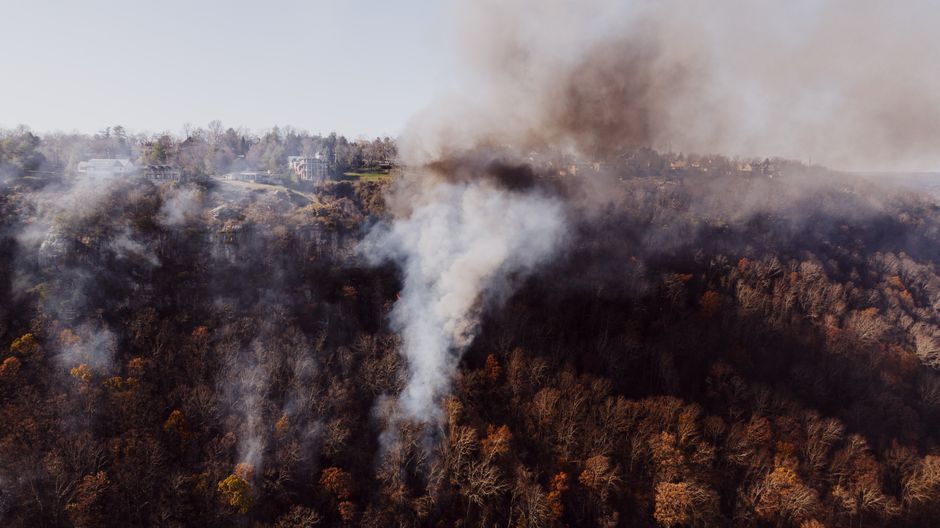
This isn’t an isolated incident; it’s a pattern accelerating with alarming speed. Europe finds itself on the front lines, with record heat and dry conditions creating tinderboxes from once-lush landscapes. What was once considered a rare, extreme event has become an annual summer ritual of destruction, stretching emergency services to their breaking point and displacing entire communities.
The immediate cause is undeniable: persistent drought combined with unprecedented heat. The underlying driver, however, is the undeniable shift in global climate patterns. This isn’t just about France; Spain, Greece, and other Mediterranean nations are also facing similar infernos, painting a grim picture of a continent under siege.
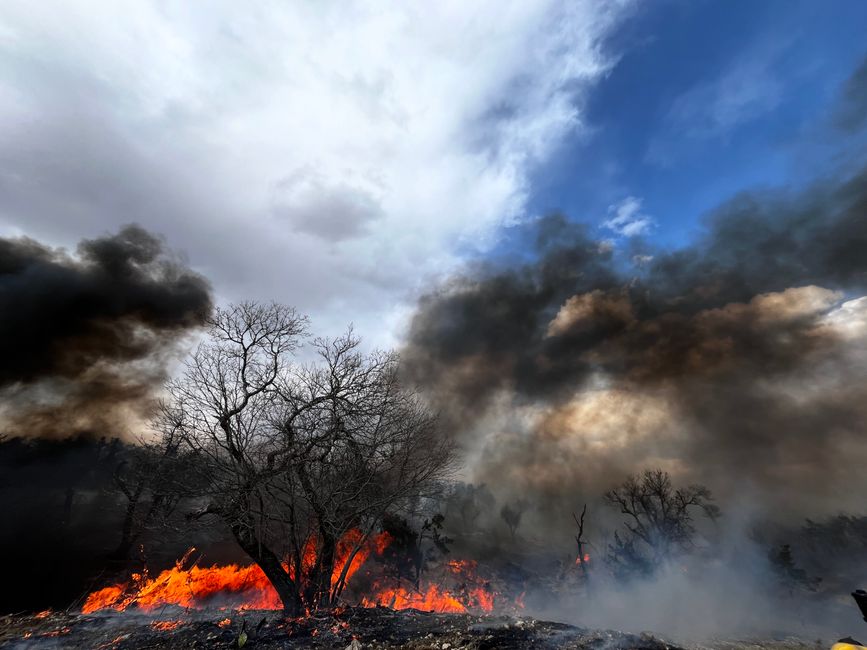
These fires are more than just an environmental catastrophe; they are a profound humanitarian crisis. Families lose everything, homes are reduced to ash, and the psychological toll on those who escape with only their lives is immeasurable. The sheer scale of destruction demands a global reckoning, yet the response often feels localized and reactive, rather than proactive and systemic.
America’s Blinders: Ignoring the Blazes
While the world watches France burn, many in the United States cling to a dangerous complacency. The argument that “it can’t happen here” is not just naive; it’s willfully ignorant. California, Oregon, and Colorado have already experienced their own apocalyptic fire seasons, fueled by similar conditions of drought, heat, and decades of inadequate forest management. As these catastrophic events proliferate globally, the financial and social costs will inevitably land on American shores, impacting everything from insurance premiums to food prices.
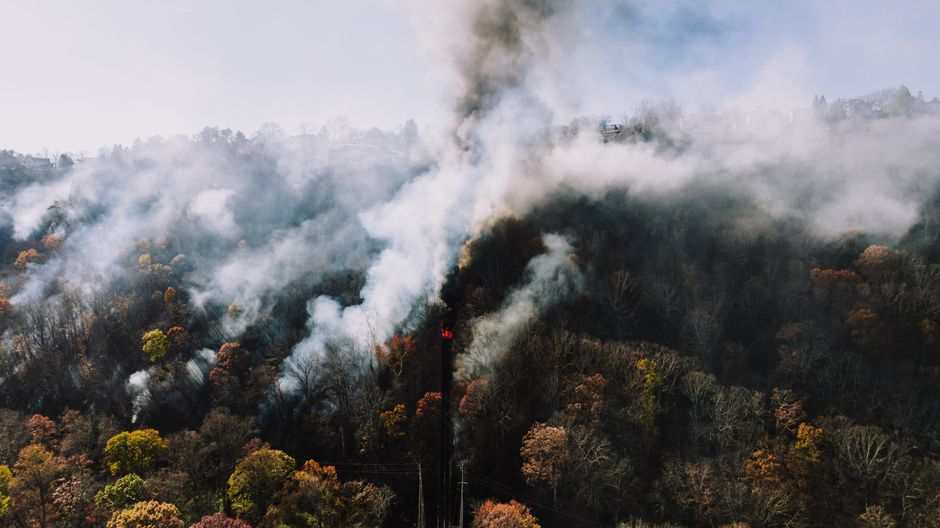
Consider the week ahead. As politicians in Washington prepare for another round of legislative sparring, how many will prioritize robust climate resilience initiatives, rather than short-term political gains? The French crisis should be a siren call, demanding that discussions around infrastructure, disaster relief, and energy policy move beyond partisan squabbling. Our markets, too, are not immune. The economic fallout from these global disasters—disrupted supply chains, agricultural losses, and soaring rebuilding costs—will ripple through international trade and investment, directly affecting American businesses and consumers.
The mainstream narrative often focuses on immediate containment, which is vital, but misses the larger, more uncomfortable truth: we are in a race against time, and we are losing. The political will to enact meaningful change, to invest aggressively in renewable energy and sustainable land management, remains frustratingly elusive in many powerful circles. This isn’t just about charity or empathy; it’s about self-preservation.
The tech sector, often lauded for its innovation, also faces a challenge. Can AI and advanced monitoring systems truly aid in prevention and rapid response, or will the scale of these events simply overwhelm even the most sophisticated tools? The question for American tech leaders this week should be: how can we deploy solutions that scale globally, not just locally, to meet an existential threat?
This isn’t just about stopping fires; it’s about confronting the conditions that create them. The current approach, focusing on firefighting rather than fire prevention on a grand scale, is akin to bailing out a sinking ship with a thimble while ignoring the gaping hole in the hull. The costs—human, environmental, and economic—are simply unsustainable.
As temperatures climb and forests burn across continents, the message from France is chillingly clear: the future is here, and it’s on fire. America can either watch from the sidelines, comfortable in its fleeting detachment, or it can finally seize the week ahead to lead with real action, acknowledging that the flames across the Atlantic are merely a preview of what awaits us if we continue to delay.
Source: NewsAPI:us