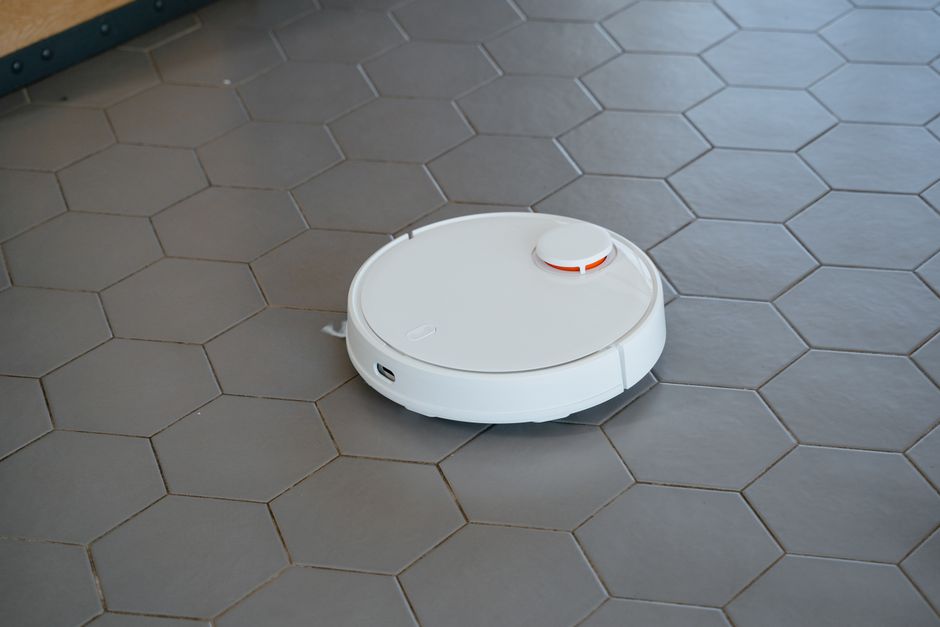
Let’s be blunt: the idea of banning robot vacuums to protect our privacy is a naive, dangerous fantasy. It’s a classic case of attacking the symptom, not the disease, and it completely misses the point of the pervasive surveillance baked into modern smart home technology. We’re standing at a critical juncture, and simple bans only serve to obscure the real privacy battles we need to fight.
According to The Verge, no other gadget knows as much about your home as a robot vacuum, raising significant privacy and security risks as AI gives them a better understanding of what they see and hear. These devices map our sacred spaces, learning our routines, and often carry cameras and microphones into every corner of our lives.
The Unseen Eye of Modern Technology
The escalating concern over robot vacuums isn’t some sudden, isolated panic. It’s a natural consequence of unchecked advancements in smart home technology, where convenience often comes at the cost of personal data. These aren’t just simple floor cleaners anymore; they are sophisticated, AI-driven data collectors. They create detailed blueprints of your living room, identify your furniture, and in some cases, even recognize faces or voices. This deluge of personal information, often uploaded to remote servers, becomes a goldmine for companies and a potential nightmare in the wrong hands. The players here are diverse: multinational tech giants manufacturing these devices, the third-party developers building the AI that powers them, and crucially, us, the consumers, who willingly invite these digital eavesdroppers into our homes. This issue matters now because the capabilities of this technology are rapidly outstripping our legal and ethical frameworks for data protection.
This isn’t just about cleaning schedules; it’s about intimate details of our domestic lives being digitized and monetized. Every scan, every detected obstacle, every snippet of audio contributes to a profile far more comprehensive than most people realize. The push for a ban, therefore, signals a belated public reckoning with the true nature of smart home integration. However, it also reveals a profound misunderstanding of how deeply this data collection is embedded within our digital existence.
Why a Ban is Worse Than Useless
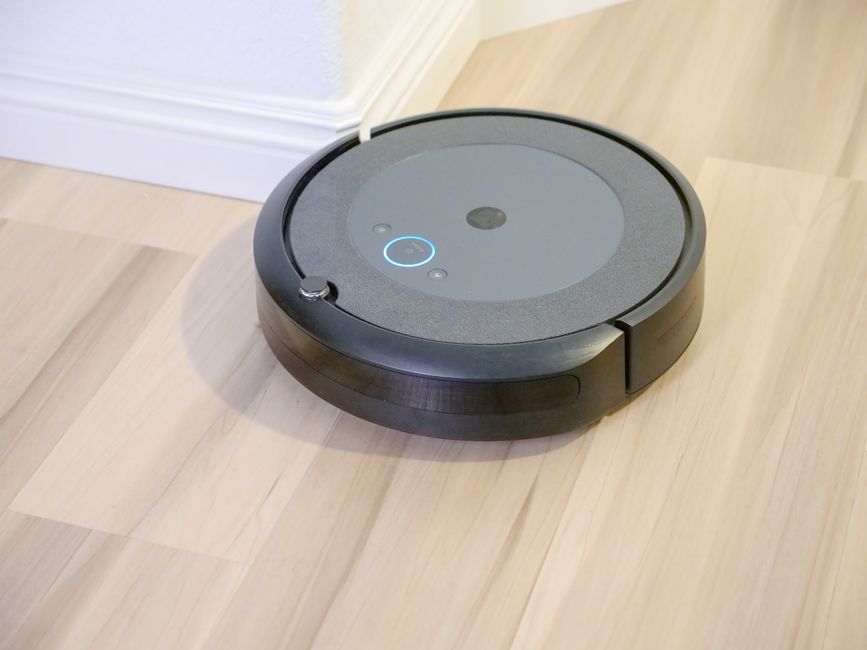
Let’s call it what it is: a ban on robot vacuums would be a performative gesture, doing little to genuinely enhance privacy and likely creating more problems than it solves. Such a move would only reduce consumer choice, drive up prices for what would inevitably become a black market commodity, and — most critically — fail to address the core issue: the insidious data collection practices of the technology industry at large. Do we seriously believe that removing one device from the market will suddenly make our smart speakers, security cameras, or even our smart TVs any less invasive? Of course not. The underlying problem isn’t the vacuum itself; it’s the insatiable corporate hunger for data and the woefully inadequate regulations governing its collection, storage, and use.
Moreover, a ban would stifle innovation precisely where we need it most. Instead of pushing manufacturers to develop more secure, privacy-by-design products, it would simply remove an entire product category from legitimate development. This could lead to a proliferation of unregulated, insecure devices imported from markets with even weaker data protection standards. Consumers, still desiring the convenience, would simply find alternative, potentially riskier, avenues. The real solution lies in robust, enforceable data privacy laws that hold companies accountable, mandate transparency, and give individuals true control over their digital footprints. We need better encryption, clear consent mechanisms, and independent audits of AI systems, not just a knee-jerk reaction against a single piece of hardware. This hot take isn’t just about vacuums; it’s about demanding systemic change rather than chasing shadows.

The illusion of security through prohibition is a dangerous one. If we genuinely want to safeguard our privacy in the age of omnipresent technology, we must stop fixating on individual gadgets and start demanding comprehensive, global data governance. Otherwise, we’re simply ensuring that the next iteration of invasive tech will be even harder to control, while our personal data continues to be harvested in plain sight.
Source: The Verge