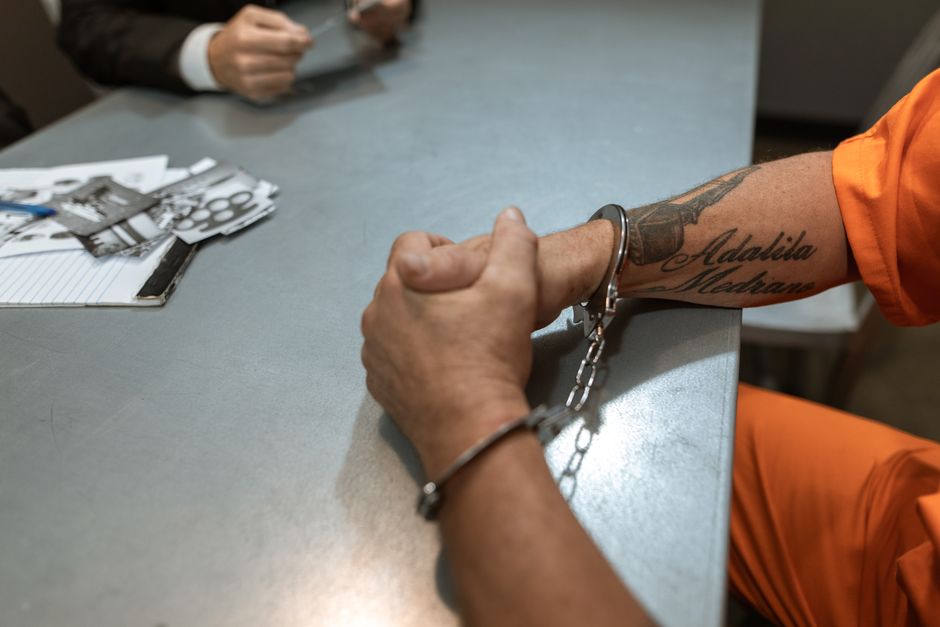
How many *innocent* lives must be shattered before we acknowledge the gaping cracks in our justice system? Michelle Hadley’s story isn’t just a cautionary tale; it’s a gut-wrenching indictment of how easily personal vendettas can hijack the machinery of the state, turning law enforcement into an unwitting weapon.
According to reports, Michelle Hadley, now 39, was arrested in July 2016. She faced allegations of cyberstalking and threatening her ex-partner, Ian Diaz, and his wife, Angela Connell, leading to a harrowing 88 days spent in jail.

The Weaponization of Relationships and the Innocent
This isn’t merely a case of a bad breakup. This is a chilling example of emotional warfare escalated to legal terrorism. What led to Hadley’s incarceration was not based on solid evidence, but rather a meticulously crafted fabrication designed to destroy her life. The chilling details emerging from a new documentary, hinting at what viewers weren’t initially shown, suggest a premeditated, twisted revenge plot. It highlights how a scorned individual can manipulate digital trails and human trust to ensnare an *innocent* party in a nightmare.
The context here is crucial. In an era where digital footprints are ubiquitous and easily faked, the burden of proof often shifts, and due process can feel like an afterthought. Law enforcement, stretched thin and under pressure, sometimes acts on initial reports with alarming speed, especially when allegations involve cyberthreats which often trigger urgent responses. The focus on immediate action can, tragically, overshadow the need for thorough, unbiased investigation. This creates a dangerous vulnerability where personal malice can masquerade as legitimate threat, trapping an *innocent* individual in a legal quagmire.

The System’s Glaring Blind Spots
Who truly wins in such scenarios? Initially, the perpetrator of the false accusation gains a perverse satisfaction, seeing their target suffer. They win the short-term battle of emotional manipulation. However, the ultimate losers are far more numerous: Michelle Hadley, whose freedom was stolen and reputation tarnished; the public, whose trust in the justice system erodes with every revelation of wrongful incarceration; and indeed, the system itself, exposed as susceptible to sophisticated deceit. The mainstream narrative often sensationalizes the drama, but it frequently misses the insidious systemic failures that allow such injustices to occur.
The ramifications for an *innocent* person like Hadley extend far beyond the jail cell. The trauma, the financial ruin, the indelible stain on one’s record – these are life sentences even after exoneration. Her experience is a stark reminder that an *innocent* status means nothing until it’s proven, and the path to proving it can be an isolating, devastating odyssey. We must ask: how many other Michelle Hadleys are out there, their lives upended by a system too slow to distinguish between genuine threat and vindictive fabrication? The ease with which one person’s malicious intent can dismantle another’s entire existence should shake us to our core.

This case isn’t just about one woman’s ordeal; it’s a siren call for critical self-reflection within our legal and investigative institutions. We must demand more rigorous vetting of digital evidence, deeper scrutiny of accuser motives, and a fundamental shift towards protecting the accused’s rights until guilt is unequivocally established. Until then, the shadow of false accusation looms large, and true justice remains frustratingly out of reach for too many. The fight for the *innocent* is far from over.
Source: NewsAPI:q