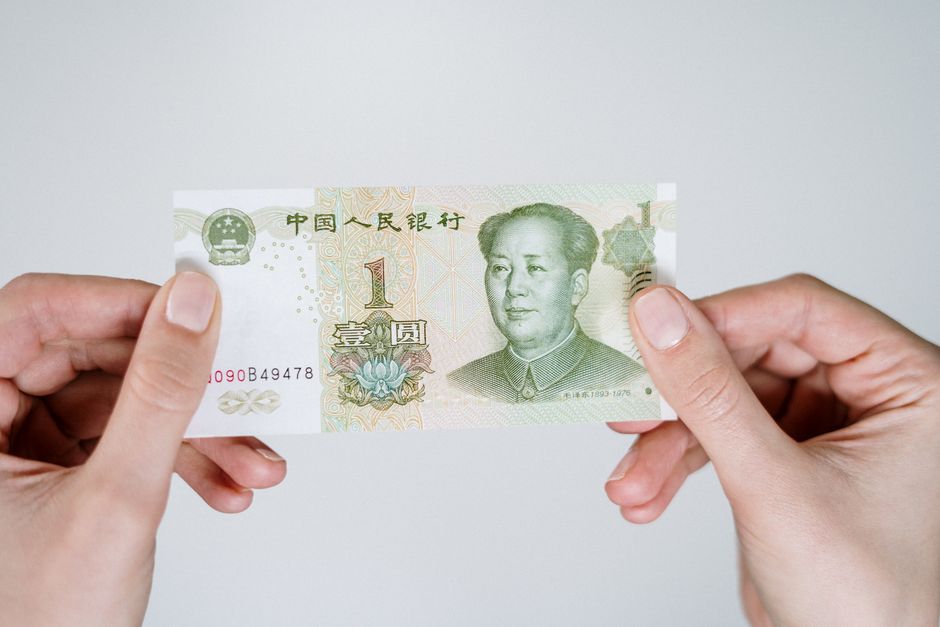
The People’s Bank of China (PBOC) *seeks* to control the narrative around its currency’s strength, and its latest move speaks volumes about Beijing’s priorities in a volatile global economy.
The financial world woke this week to a clear, if numerically coded, message from the People’s Bank of China. In a move that underscored its enduring influence over the yuan, the central bank set its daily fixing at a level significantly weaker than market expectations. This wasn’t a press conference or a policy paper; it was an act of raw, explicit monetary steering.
The intervention came on the heels of the yuan reaching a three-year high against the dollar, a rally that, while indicating economic resilience, clearly made Beijing uncomfortable. The PBOC’s signal effectively tapped the brakes, attempting to temper the currency’s ascent and, by extension, manage China’s economic competitiveness. This is less about transparency and more about a carefully calibrated demonstration of power.
What landed
What landed with the force of a precisely aimed punch was the sheer delta between market consensus and the official fixing. After weeks of watching the yuan climb, fueled by robust trade surpluses and foreign investment, analysts had largely anticipated a stronger daily reference rate. Instead, the PBOC delivered a number that was, as the *Financial Post* noted, “much weaker than expected.”
This wasn’t a subtle nudge; it was a firm declaration. The PBOC effectively communicated its preference for a slower, more controlled appreciation of the yuan, or perhaps even a mild depreciation. It revealed Beijing’s persistent anxiety about rapid currency gains potentially eroding export competitiveness, a bedrock of China’s economic strategy. The message was clear: while market forces have their place, the final say on the yuan’s trajectory rests firmly with the central bank. It was a stark reminder that in China, the market can propose, but the PBOC disposes.
What doesn’t add up
The most glaring inconsistency lies in the ongoing tension between China’s stated ambition for a more market-determined exchange rate and its undeniable willingness to intervene when the market doesn’t align with its comfort zone. For years, Beijing has paid lip service to allowing greater flexibility for the yuan, moving incrementally towards a system where supply and demand play a larger role. Yet, this latest fixing action demonstrates a robust, almost paternalistic, approach to currency management.

If the yuan’s strength genuinely reflected underlying economic fundamentals, a truly market-oriented approach would let it run. But the PBOC’s strong signal to “temper” the rally suggests a lingering discomfort with unbridled market forces, particularly when they push the currency beyond an undisclosed, but clearly defined, threshold. This isn’t the behavior of a central bank fully confident in a free-floating exchange rate; it’s the action of one that still sees the yuan as a critical policy lever to be adjusted as needed, market rhetoric be damned. The “fix” highlights that for Beijing, stability and control often trump pure market dynamics.
Come Monday morning, currency traders, global exporters, and investors will undoubtedly be scrutinizing every PBOC move even more closely. This latest maneuver ensures that official guidance, rather than pure market sentiment, will continue to cast a long shadow over the yuan’s direction, reinforcing the idea that China’s currency is as much a political tool as it is an economic indicator.
Source: OnTheRecord