
The literary world, it seems, has decided that reality is just a suggestion. We’re now dissecting the lives of people who never were, giving rise to an odd new literary genre that’s both baffling and, admittedly, rather intriguing.
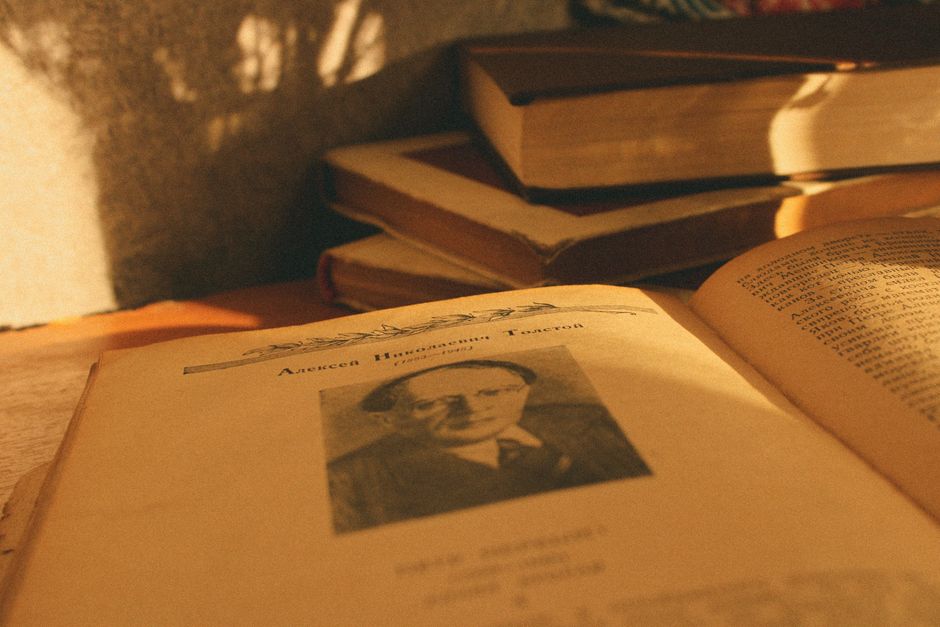
The LA Review of Books recently brought to light a curious burgeoning trend: the “fictional character biography.” No longer content with merely reading about Hamlet’s angst or Juliet’s ill-fated passion, readers, and indeed, authors, apparently now demand a full, footnoted accounting of their lives, as if they once walked among us. Since the start of 2023, the Review notes, no fewer than seven such volumes have appeared, turning a once “nearly unheard-of form” into a biannual event. It’s a publishing phenomenon that raises eyebrows and, perhaps, a few existential questions about the nature of storytelling itself.

What landed
What’s truly remarkable, as the LA Review of Books subtly underlines, isn’t just the existence of these books, but their sheer volume. Seven biographies of non-existent people in less than two years isn’t a fluke; it’s a movement, a quiet but determined assertion that the boundaries of literary engagement are far more permeable than previously imagined. This isn’t merely elevated fan fiction or academic deep dives into existing lore. It signals a more formal, academic-leaning endeavor to grant literary characters a life beyond the page, exploring their motivations, their backstories, and their cultural afterlives with a gravitas usually reserved for historical figures.
The very act of counting these volumes, and then flagging the trend, gives credit to the fact that someone, somewhere, is taking this seriously enough to publish and review them. It’s an encouraging sign that the literary conversation isn’t always confined to the established paths. It suggests a desire, from both creators and consumers, to push against the traditional walls of genre, even if those walls are built of the very fabric of reality itself.
What doesn’t add up
Yet, one must ask, what precisely are these biographies *biographing*? The article, while meticulously counting the entries, leaves us to ponder the deeper implications. Are we witnessing a profound new way to engage with classic texts, or a rather clever workaround for writers grappling with the pressure for ‘original content’ in an increasingly saturated market? It feels suspiciously like a contradiction to the fundamental premise of fiction.
There’s a subtle tension here between honoring the source material and, perhaps, subtly undermining the very concept of fiction. If we treat characters as real, does it diminish the imaginative act of their creation, or merely extend it to new, peculiar lengths? The skeptical observer might suggest that this trend, while fascinating, also hints at a certain intellectual cannibalism, where the literary world is now feeding on its own progeny rather than venturing into entirely new imaginative territories. It’s a safe bet for publishers, perhaps, tapping into established narratives, but one wonders about the long-term creative cost.
So, as we head into Monday morning, what brave new world awaits the literary landscape? Will publishers soon demand a full CV from every protagonist, complete with references and a detailed account of their formative years outside the narrative? The rise of the fictional character biography, as pinpointed by the LA Review of Books, is an intriguing, if slightly bewildering, signpost on the road to wherever literature is headed next. Just don’t ask for their birth certificates; those, presumably, remain firmly in the realm of imagination.
Source: OnTheRecord