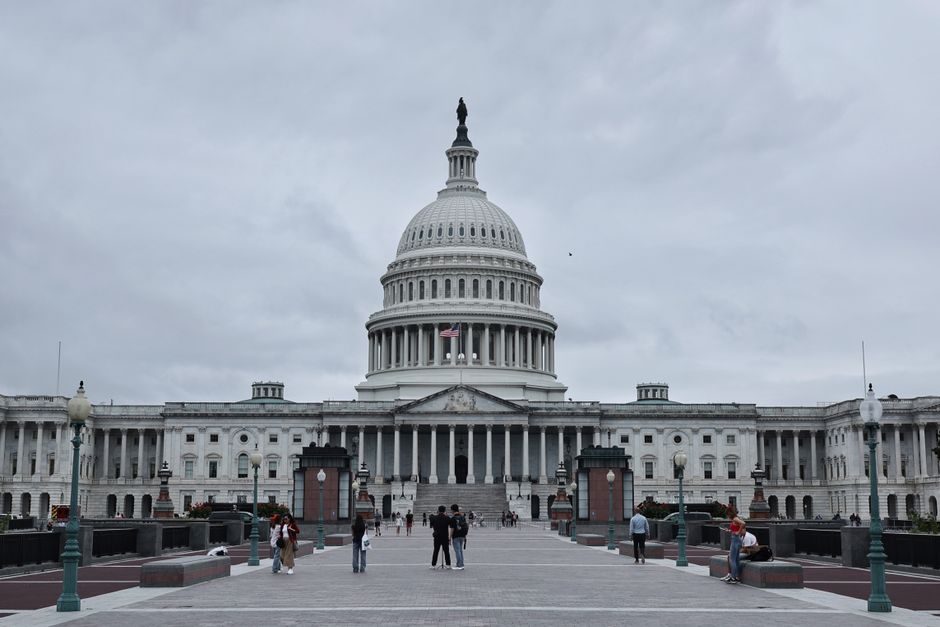
A unified front from the **Senate** is a rare spectacle indeed, but when it materializes, it often signals a moment of collective political calculation, as seen in their recent stand regarding a notorious figure.
The subject of this unusual bipartisan harmony was none other than Ghislaine Maxwell, the convicted sex trafficker and infamous accomplice to Jeffrey Epstein. In a move that sent precisely zero shockwaves through the political landscape, the entire upper chamber of Congress unanimously passed a resolution opposing any presidential pardon or clemency for Maxwell. As reported by the *NYPost*, this remarkable display of consensus came in response to, well, nothing in particular. There was no known active petition, no credible whisper of a presidential pen hovering over a clemency order. Just a stark, clear statement from all 100 Senators that, should a President ever consider such a thing, they would be quite cross about it.
In an era where agreeing on the color of the sky often requires extensive negotiation, the Senate’s swift and complete accord on this particular issue offers a fascinating glimpse into the mechanics of political self-preservation. It’s the kind of vote that allows every Senator to go home and tell their constituents, with a straight face, that they are tough on crime, tough on sex traffickers, and absolutely *not* in favor of high-profile criminals getting a get-out-of-jail-free card.
What landed
The sheer unanimity, in this political climate, is a statement in itself. It is a powerful, if somewhat performative, signal from the legislative branch to the executive that certain lines, however hypothetical, simply cannot be crossed. This resolution, while not legally binding on a future President, certainly raises the political stakes for any administration contemplating such a controversial move. Imagine the political firestorm, the instant headlines, the unanimous condemnation that would follow any President foolish enough to disregard this clear and public warning.
It also serves as a rare instance where the Senate, for all its internal divisions, managed to articulate a moral consensus. In a world accustomed to gridlock, this moment of collective clarity, however low-hanging the fruit, is almost encouraging. It suggests that on issues of truly egregious public harm and moral outrage, there might still be a common ground that transcends partisan bickering. For those who yearn for any sign of functional governance, seeing the *entire* Senate agree on *anything* can feel like a small victory.
What doesn’t add up
The truly fascinating part, of course, is the profound lack of a specific threat that prompted this resolution. One might wonder, with a wry smile, if the Senate has perhaps run out of more pressing issues to debate. Was there a secret poll indicating public apprehension about a Maxwell pardon? Were clandestine whispers of such a possibility circulating in the hallowed halls of power? Or was this merely an exquisitely timed exercise in political virtue signaling, a chance for everyone to look good without actually having to do anything difficult?
The ease of this unanimity is, in itself, a red flag for the skeptical observer. What does it say about our legislative priorities when the easiest path to bipartisan agreement is to condemn an unlikely hypothetical? It highlights the stark contrast between the Senate’s ability to take a universally popular stance on a non-issue, and its chronic inability to find common ground on existential challenges like the economy, healthcare, or climate change. One could argue that if the Senate can achieve such seamless agreement on a non-threat, perhaps they could channel this newfound spirit of cooperation into tackling problems that genuinely plague the nation. Instead, it feels a bit like congratulating a fire department for unanimously agreeing to oppose a fire in a house that isn’t actually burning. It’s safe, it’s commendable, but it doesn’t solve any *actual* emergencies.
What changes Monday morning? Probably very little for Ghislaine Maxwell, who remains firmly incarcerated. For the Senate, however, it’s a small, neat entry in the legislative record: “We agreed. On something. Once.” It’s a testament to the power of a safe, symbolic vote in an otherwise fractious political landscape, reminding us that sometimes, the most revealing moments aren’t what leaders say, but what they choose to say *now*, and why.
Source: OnTheRecord