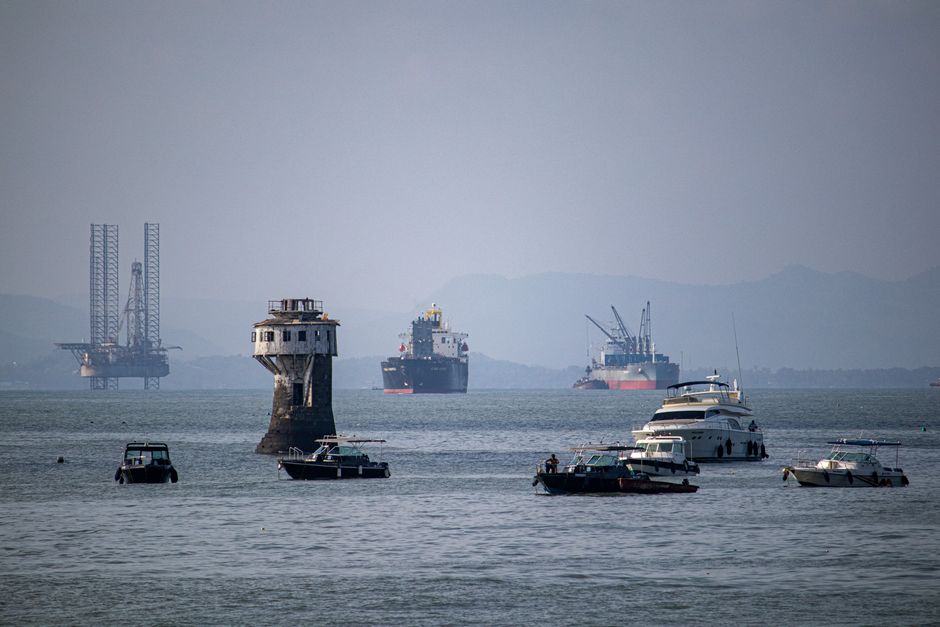
The world just got a stark reminder that the clean energy future is still a distant dream, and the brutal reality of global dependency just got a lot uglier. Geopolitical instability in the Middle East once again **worsens energy** security for half the world, exposing the fragility of a system many assumed was too big to fail. This isn’t merely a blip; it’s a systemic vulnerability laid bare.
According to The Guardian, Asian nations are scrambling to avert their second major energy crisis in six months. This dire situation stems from Houthi threats to Saudi oil exports through the Red Sea, arriving hard on the heels of the recent closure of the Strait of Hormuz.
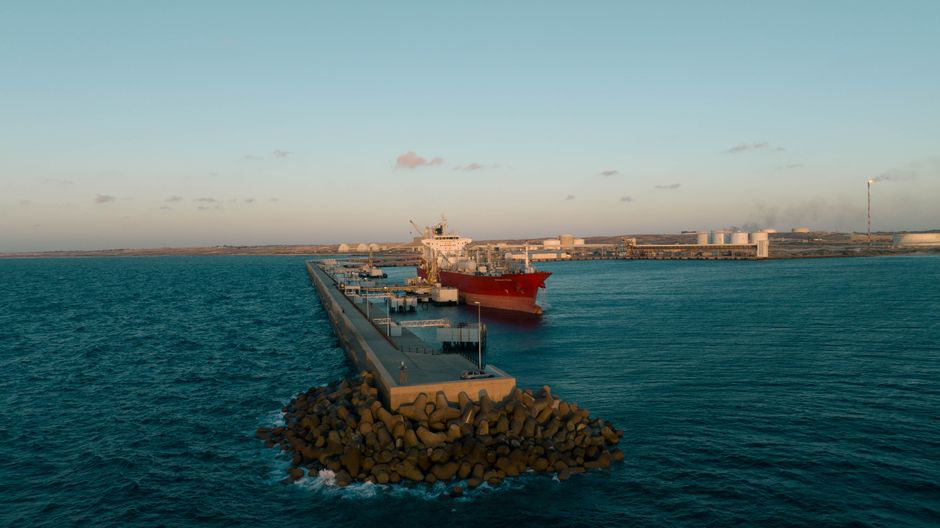
The Chokehold on Asia’s Lifeline
Why does this matter so profoundly, right now? Because countries like Japan, South Korea, the Philippines, and Thailand are industrial powerhouses, yet utterly reliant on Middle Eastern oil. They are the engine of much of the global economy, but they run on fuel piped through some of the world’s most volatile maritime chokepoints. This latest threat means that, effectively, only the Suez Canal remains reliably open for the massive flow of Gulf oil destined for Asian markets. Any disruption here, especially following Hormuz, doesn’t just raise prices; it threatens to bring entire economies to a grinding halt.
The context here is crucial. For decades, the free flow of oil from the Middle East has been a cornerstone of global stability and economic prosperity. These maritime arteries – Hormuz, Bab el-Mandeb (controlling Red Sea access), and Suez – are not just shipping lanes; they are geopolitical flashpoints. When one is threatened, the entire delicate balance shifts. This isn’t just about commodity prices; it’s about the very architecture of global trade and security. The repeated targeting of these vital routes by non-state actors, or proxy forces, highlights a dangerous erosion of international norms and a power vacuum that opportunistic groups are keen to exploit. This effectively **worsens energy** supply predictability for major importing nations.
The Silent Squeeze and Global Stakes
Here’s the uncomfortable truth the mainstream often glosses over: while Western capitals issue stern warnings, the real pain is felt by nations far from the geopolitical chess game. Asian economies are caught in a silent squeeze. They lack the leverage, the military presence, or often, the diplomatic clout to directly influence events in the Middle East. Instead, they become collateral damage, forced to pay a premium for their indispensable energy supplies or face the prospect of industrial slowdowns and societal discontent. This situation demonstrably **worsens energy** affordability and access.
The conventional wisdom often focuses on oil prices, but the stakes are far higher. This isn’t just about the cost of a barrel; it’s about the security of supply chains, the stability of international shipping, and ultimately, the future of globalized manufacturing. Every extra mile ships must travel, every additional insurance premium, every delay at a port translates into higher costs for consumers worldwide. This is inflation, supply chain disruptions, and economic uncertainty packaged into a single, terrifying geopolitical reality. The global community’s inability to consistently secure these vital pathways points to a fundamental weakness in international governance and collective security. It suggests a lack of appetite for decisive action, leaving the fate of critical global resources in the hands of regional actors with localized agendas.
Furthermore, this cyclical crisis exposes the myth of a swift transition away from fossil fuels. While renewable energy is vital, the immediate, existential reliance on oil and gas for industrial economies remains paramount. When chokepoints close, the theoretical promise of a green future offers no immediate comfort to factories facing shutdowns or households bracing for blackouts. The global energy mix is complex, and these events serve as a brutal reminder that the transition isn’t linear or immune to external shocks.
What’s clear is that the current approach isn’t working. The international community, particularly major powers, cannot afford to view these incidents as isolated events. They are symptoms of a larger, more aggressive geopolitical maneuvering that uses energy as a weapon. The question isn’t whether Asia will avoid its second energy crisis, but rather, what fundamental shifts in global security and energy strategy will finally be forced upon us when the next chokepoint closes. Will the world continue to react to each crisis as it unfolds, or will it finally confront the systemic vulnerabilities that relentlessly **worsen energy** security for everyone?
Source: Guardian Middle East